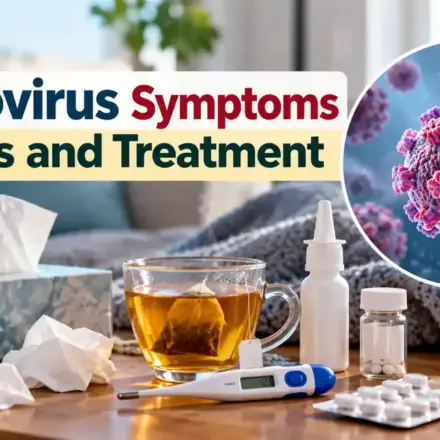
Rhinovirus Symptoms: Causes and Treatment
Rhinovirus is a highly contagious respiratory virus and the most frequent cause of the common cold. Because the symptoms of rhinovirus closely mirror other respiratory infections like the flu or COVID-19, it is impossible to confirm which specific virus is making you sick based on symptoms alone.
Rhinovirus is the virus most commonly responsible for the common cold. It targets your upper respiratory tract, causing familiar symptoms like a runny nose, sore throat, sneezing, and coughing. Because it is a viral infection, antibiotics cannot treat it. Most people recover fully within a week to 10 days through rest, adequate fluids and nutrition, and over-the-counter symptom relief.

What Is Rhinovirus?
Rhinovirus is a microscopic pathogen that primarily infects the upper respiratory tract—specifically the nose and throat. The prefix “rhino-” means nose, which is fitting since the virus thrives in the cooler temperatures found inside your nasal passages.
While rhinovirus is the leading cause of the common cold, the two terms are not completely interchangeable. The “common cold” is a general syndrome of upper respiratory symptoms, which can be triggered by many different viruses. Rhinovirus is simply the most common culprit, accounting for up to half of all colds in adults.
What Are the Symptoms of Rhinovirus?
For most healthy individuals, a rhinovirus infection causes mild, manageable illness. Interestingly, some infected people never develop noticeable symptoms at all, though they can still pass the virus to others.
Early symptoms of rhinovirus
The infection often announces itself with a scratchy or ticklish feeling in the back of the throat. This is typically followed rapidly by a general feeling of mild, unusual fatigue or sluggishness.
Runny or stuffy nose
Within a day or two, nasal symptoms dominate. You may experience a heavily running nose with clear fluid, which often transitions into a thicker, cloudy, or yellowish nasal congestion as the immune system fights the virus.
Sneezing and sore throat
Inflammation in the upper airways triggers frequent sneezing. The early scratchy throat usually develops into a genuine, uncomfortable sore throat, especially when swallowing.
Cough and headache
Post-nasal drip—mucus running down the back of the throat—often causes a dry or mildly productive cough. Mild headaches are also common, often resulting from sinus pressure and congestion.
Mild body aches and possible fever
While severe body aches are more typical of the flu, mild muscle aches can occur with a rhinovirus. Adults rarely get a fever with a standard cold, but if they do, it is usually low-grade.
Rhinovirus symptoms in children and babies
Infants and toddlers are much more likely to develop a fever with a rhinovirus infection than adults. They may also experience decreased appetite, fussiness, disrupted sleep, and visibly labored breathing difficulties due to their smaller nasal passages becoming easily blocked.
What Causes Rhinovirus Infection?
A rhinovirus infection occurs when the virus successfully enters your upper respiratory tract, binds to the cells lining your airway, and begins replicating.
There is no single rhinovirus. Scientists have identified well over 100 different types (strains) of the virus. This sheer variety is the primary reason you can catch a cold multiple times in a single year; your immune system may build a defense against one specific type, but that will not protect you from the dozens of other types circulating in your community.
How Does Rhinovirus Spread?
Rhinovirus is highly efficient at spreading from person to person. Transmission usually happens in three ways:
- Respiratory droplets: When an infected person coughs, sneezes, or talks, they release tiny, virus-packed droplets into the air. If you inhale these, you can become infected.
- Direct contact: Shaking hands with someone who has just wiped their nose or covered a cough can transfer the virus to your skin.
- Contaminated surfaces: According to the CDC’s rhinovirus overview, the virus can survive for hours on doorknobs, light switches, elevator buttons, and shared toys. If you touch a contaminated surface and then touch your eyes, nose, or mouth, the virus enters your body.
How Long Does Rhinovirus Last?
For the average adult, a rhinovirus infection peaks within the first two to three days and gradually resolves over 7 to 10 days.
It is very common for a dry cough or mild nasal congestion to linger for up to two weeks after the primary illness has passed. A lingering cough does not necessarily mean the infection is getting worse or turning into a bacterial infection. However, if your symptoms seem to go away and then suddenly return worse than before, you should seek medical advice.
Is Rhinovirus Contagious?
Yes, rhinovirus is highly contagious. You are typically most contagious during the first two to three days of symptoms, which is when the viral load in your nasal secretions is highest. However, you can still spread the virus for up to two weeks.
Reducing close physical contact, staying home during the peak of your symptoms, and practicing excellent hand hygiene are the most effective ways to protect your household and coworkers.
How Is Rhinovirus Diagnosed?
Most of the time, doctors diagnose a common cold based entirely on a physical exam and your description of the symptoms.
Because the treatment for mild viral respiratory infections is generally the same, specific laboratory testing for rhinovirus is rarely necessary. Testing is usually reserved for hospitalized patients, severe respiratory illnesses, or individuals with heavily compromised immune systems where identifying the exact virus might change the medical care plan.
How Is Rhinovirus Treated?
There is no cure, antiviral medication, or vaccine for rhinovirus. Treatment focuses entirely on supporting your immune system and managing discomfort while your body clears the infection.
Rest and adequate fluids
Getting adequate rest allows your immune system to work efficiently. Drinking plenty of water, warm tea, or clear broths helps thin nasal mucus, making it easier to expel, and prevents dehydration.
Symptom relief for nasal congestion and sore throat
Using a cool-mist humidifier in your room can add moisture to the air, easing a scratchy throat and loosening nasal congestion. Saline nasal sprays or drops are a safe, drug-free way to rinse the sinuses.
Over-the-counter medicines: important safety considerations
Adults may use over-the-counter (OTC) pain relievers (like acetaminophen or ibuprofen) for headaches and sore throats, and decongestants to relieve stuffiness.
Important warning: The FDA strongly advises against giving OTC cough and cold medicines to children under the age of 4, as they can cause serious and potentially life-threatening side effects. Always consult a pediatrician before giving any medication to a young child.
Why antibiotics do not treat rhinovirus
Antibiotics are designed to kill bacteria. Because rhinovirus is a virus, antibiotics are completely useless against it. Taking antibiotics for a viral cold will not make you feel better, will not speed up your recovery, and can contribute to dangerous antibiotic resistance.
What Are the Possible Complications of Rhinovirus?
While usually mild, a rhinovirus infection can occasionally lead to complications, particularly if the inflammation blocks natural drainage pathways in the body. Complications can include:
- Sinus infections (sinusitis)
- Middle-ear infections (especially in children)
- Acute bronchitis
- Worsening of asthma symptoms
- Pneumonia (in vulnerable populations)
These complications do not happen to everyone, but they are a primary reason why respiratory infections should be monitored carefully.
Who Is at Higher Risk of Severe Rhinovirus Illness?
Most people recover without issue, but certain groups face a higher risk of the virus moving into the lower respiratory tract (the lungs) or triggering severe complications:
- People with asthma: Rhinovirus is one of the most common triggers for severe asthma attacks.
- People with weakened immune systems: Including those undergoing cancer treatment, transplant recipients, or people with weakened immune systems due to medication.
- Individuals with chronic lung disease: Such as COPD or emphysema.
- Premature infants and the elderly: Their immune systems and respiratory reserves are often more fragile.
- People with underlying health conditions: Managing issues like heart disease or underlying medical conditions can complicate recovery.
How Can You Prevent Rhinovirus?
You cannot completely eliminate the risk of catching a cold, but you can significantly reduce your chances with a practical prevention checklist:
- Wash hands frequently: Use soap and water for at least 20 seconds, especially after being in public spaces. Frequent handwashing physically removes the virus from your skin.
- Avoid touching your face: Keep unwashed hands away from your eyes, nose, and mouth.
- Clean high-touch surfaces: Regularly disinfect doorknobs, phones, and keyboards.
- Practice respiratory hygiene: Cough or sneeze into a tissue or your elbow, not your hands.
- Maintain distance: Avoid close contact with people who have obvious cold symptoms.
Rhinovirus vs. the Common Cold, Flu, and COVID-19
It is very difficult to tell respiratory viruses apart at home. Here is a general comparison, though testing is the only way to know for sure:
| Infection | Primary Cause | Typical Onset | Common Symptoms | Fever |
| Common Cold | Rhinovirus (most often) | Gradual | Runny nose, sneezing, mild sore throat | Rare in adults |
| The Flu | Influenza viruses | Sudden / Abrupt | Severe body aches, fatigue, dry cough | Very common, often high |
| COVID-19 | SARS-CoV-2 virus | Gradual to sudden | Cough, fatigue, loss of taste/smell, shortness of breath | Common |
| RSV | Respiratory syncytial virus (RSV) | Gradual | Cold-like symptoms, wheezing in infants | Common in children |
When Should You See a Doctor?
A standard cold requires patience, not a doctor’s visit. However, you should seek a medical assessment if you or your child experience:
- Symptoms that last longer than 10 to 14 days without improvement
- A persistent fever or a fever that goes away and returns days later
- Severe sinus pain or a worsening severe sore throat
- Inability to keep fluids down (dehydration)
Emergency Warning Signs
Seek emergency medical care immediately if you notice:
- Severe difficulty breathing or shortness of breath at rest
- Chest pain or pressure
- Lips or face turning a bluish or grayish color (depending on skin tone)
- New confusion or extreme lethargy
- Note: Any young infant (under 3 months) with a fever requires prompt professional assessment.
Frequently Asked Questions About Rhinovirus
1. What are the first symptoms of rhinovirus?
The very first signs are usually a scratchy, irritated throat and a general feeling of being tired or mildly unwell, followed quickly by sneezing and a runny nose.
2. Is rhinovirus the same as the common cold?
Not exactly. The “common cold” is a set of symptoms. Rhinovirus is the specific virus that most frequently causes those symptoms.
3. How long does rhinovirus last in adults?
In healthy adults, the acute symptoms typically peak in a few days and resolve within 7 to 10 days, though a mild cough can persist for up to two weeks.
4. Is rhinovirus contagious?
Yes, it is highly contagious, spreading easily through respiratory droplets and contaminated surfaces.
5. How does rhinovirus spread?
It spreads when an infected person coughs or sneezes droplets into the air, through close personal contact like hugging or shaking hands, and by touching contaminated objects and then touching your face.
6. Can rhinovirus cause fever?
It can, but it is relatively rare in healthy adults. Fevers associated with rhinovirus are much more common in infants and young children.
7. Is there a treatment or cure for rhinovirus?
There is no cure. Treatment focuses on supportive care: resting, staying hydrated, and using over-the-counter medications to manage symptoms until the immune system clears the virus.
8. Can antibiotics treat rhinovirus?
No. Antibiotics only kill bacteria. Because rhinovirus is a virus, taking an antibiotic will not help you and can cause unnecessary side effects.
9. Can rhinovirus make asthma worse?
Yes. Rhinovirus infections are a leading cause of asthma flare-ups and exacerbations, especially in children, because the virus increases inflammation in the airways.
10. How can you tell rhinovirus apart from the flu or COVID-19?
Without a laboratory or rapid test, you cannot know for certain. However, the flu tends to hit very suddenly with severe body aches and high fever, whereas rhinovirus symptoms usually build gradually and remain concentrated in the nose and throat.
11. Can you get rhinovirus more than once?
Yes, you can get it many times throughout your life because there are over 100 different strains of the virus. Immunity to one strain does not protect you from the others.
12. When should you see a doctor for rhinovirus symptoms?
See a doctor if your symptoms do not improve after two weeks, if you develop a persistent high fever, or if you experience shortness of breath, wheezing, or severe chest and sinus pain.