Texas Flu Surge 2026: CDC Map, Symptoms & Prevention
Texas is glowing bright red on the Centers for Disease Control and Prevention (CDC) respiratory illness map in November 2026, reflecting a sharp, early surge in outpatient doctor visits for fever, cough, and sore throat across cities from Lubbock and East Texas to San Antonio. Many residents seeing the dark red map assume every illness driving the spike is laboratory-confirmed influenza—or that it is already too late in November to get a flu shot. In reality, the CDC’s color-coded map tracks overall influenza-like illness (including COVID-19 and RSV), and getting vaccinated now still provides valuable protection ahead of holiday travel and winter gatherings.
In the CDC’s Week 45 FluView report (ending November 14, 2026), Texas is one of only two U.S. jurisdictions at the highest “Very High” activity level for outpatient respiratory illness. National CDC testing shows seasonal influenza A(H1N1)pdm09 accounts for 96.4% of subtyped flu A cases and matches the 2026–2027 flu vaccine well in laboratory assays. Staying home when sick, testing early if high-risk, and getting vaccinated now remain the most effective ways to reduce severe illness.

What the Bright Red CDC Map Actually Measures
Headlines pointing out that Texas is “bright red” on the CDC disease map refer to the agency’s weekly Outpatient Respiratory Illness Activity Map. According to the CDC Week 45 FluView report (published November 20, 2026), Texas is one of two jurisdictions nationwide rated at the Very High level, alongside 9 states at High and 13 at Moderate.
A key detail left out of many brief news stories is that the red shading on this map does not count laboratory-confirmed flu cases alone. Instead, the CDC’s Outpatient Influenza-like Illness Surveillance Network (ILINet) tracks the percentage of outpatient clinic visits for influenza-like illness (ILI)—defined as a fever of 100°F (37.8°C) or higher paired with a cough or sore throat. Because COVID-19, respiratory syncytial virus (RSV), and common cold viruses cause those exact symptoms, the map measures total respiratory illness pressure on local clinics rather than influenza in isolation.
At the same time, laboratory data confirms that influenza itself is rising fast. Nationally during Week 45, 11.8% of clinical respiratory specimens tested positive for influenza—with influenza A(H1N1)pdm09 making up 96.4% of subtyped influenza A detections. Public health data from the Texas Department of State Health Services (DSHS) Respiratory Virus Surveillance similarly shows influenza A driving early-season hospital lab positives and school outbreaks across the state.
Why Texas Flu Season Started Weeks Early in 2026
Typically, flu activity in Texas builds gradually in late November and peaks between December and February. In 2026, local health departments in Lubbock, San Antonio, and East Texas reported elevated flu cases weeks ahead of that usual schedule, mirroring an earlier autumn rise across several southern and western states.
While early-season activity is higher than normally seen in November, the CDC notes that an earlier start does not automatically mean the season’s eventual peak will be higher or that the virus is causing more severe disease overall. School transmission, lower early-autumn vaccination uptake, and holiday travel patterns all influence how quickly respiratory viruses spread across Texas communities.
Flu Symptoms vs. COVID-19 and RSV
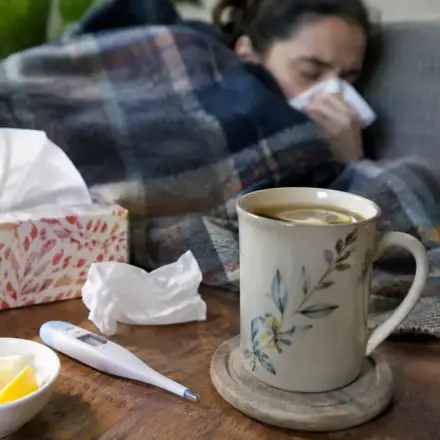
Because multiple respiratory viruses are circulating at the same time in Texas, you cannot tell whether an illness is the flu, COVID-19, or RSV based on how you feel alone. Outlined on the CDC Signs and Symptoms of Flu page, seasonal influenza tends to start abruptly 1 to 4 days after exposure.
| Symptom or Feature | Seasonal Flu (Influenza) | COVID-19 | RSV (Respiratory Syncytial Virus) |
| Symptom onset | Sudden (within hours) | Gradual (2 to 14 days after exposure) | Gradual (4 to 6 days after exposure) |
| Fever and chills | Common, often high (101°F–104°F) for 3–4 days | Common, though mild cases may lack fever | Less common in adults; common in young children |
| Body aches and fatigue | Prominent and often severe | Common, ranging from mild to severe | Mild to moderate |
| Cough and airway signs | Dry cough, sore throat, headache, nasal congestion | Cough, sore throat, congestion, shortness of breath | Wheezing, wet or barking cough, thick nasal mucus |
| Testing options | At-home rapid antigen test or clinic swab | At-home rapid antigen test or clinic PCR | Clinic nasal swab (usually for infants, older adults, or high-risk patients) |
For a wider look at overlapping autumn infections, see our guide to respiratory illnesses on the rise across the U.S., along with our breakdowns of rhinovirus common cold symptoms and what RSV looks like in children and adults.
Practical Prevention Steps for Texas Households
Even though flu activity has already reached Very High levels in Texas, health officials emphasize that practical preventive steps still lower your odds of severe illness:
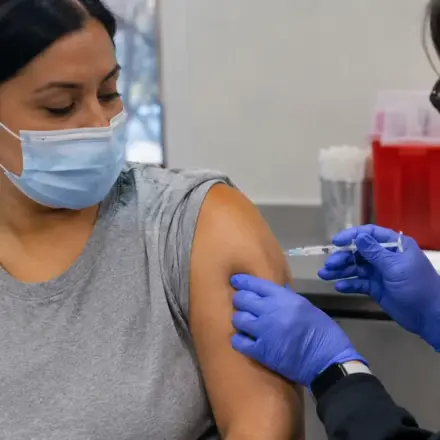
- Get the 2026–2027 flu shot if you have not yet: In its Texas Influenza Awareness guidance, Texas DSHS recommends annual vaccination for everyone aged 6 months and older. According to the CDC 2026–2027 Flu Season summary, U.S. vaccines this season are updated trivalent formulas, and CDC laboratory testing through mid-November shows circulating A(H1N1)pdm09 viruses remain antigenically similar to the vaccine reference strain. Keep in mind that full antibody protection takes about two weeks after your shot.
- Use at-home combo tests early when symptoms start: Over-the-counter combination flu/COVID-19 rapid tests can identify influenza within the first 24 to 48 hours of illness, when prescription antiviral medications work best.
- Ask a doctor about antivirals if you are high-risk: Per the CDC Influenza Antiviral Medications guide, prescription antivirals such as oseltamivir (
Tamiflu) or baloxavir (Xofluza) are recommended as early as possible—ideally within 48 hours—for adults 65 and older, pregnant individuals, children under 5, and people with asthma, heart disease, diabetes, or weakened immune systems. Note that baloxavir is not recommended during pregnancy or breastfeeding due to limited safety data. - Follow updated CDC return-to-normal-activities guidance: If you get sick, stay home until your symptoms are improving overall and you have been fever-free for at least 24 hours without using fever-reducing medication, followed by five days of added precautions such as wearing a well-fitting mask indoors around others.
- Avoid taking leftover antibiotics: Antibiotics treat bacterial infections such as strep throat or bacterial pneumonia, not influenza viruses, and unnecessary use risks side effects and antibiotic resistance.
Emergency Warning Signs That Require Immediate Care
Most healthy children and adults recover from seasonal flu within one to two weeks with rest, fluids, and fever control. However, influenza can trigger dangerous complications—including viral or secondary bacterial pneumonia and sepsis in adults.
Seek urgent medical care right away if anyone with flu symptoms develops any of these warning signs:
- Difficulty breathing, shortness of breath at rest, or fast, shallow breathing
- Persistent pain or pressure in the chest or abdomen
- Sudden dizziness, confusion, trouble waking up, or seizures
- Bluish or gray color around the lips, tongue, or nail beds
- Signs of severe dehydration, such as not urinating for many hours
- Fever or cough that improves for a day or two and then returns worse than before
- In infants and young children: ribs pulling in with each breath, crying without tears, refusal to drink fluids, any fever in a baby under 12 weeks old, or a fever above 104°F that does not come down with medicine
Frequently Asked Questions
Why is Texas bright red on the CDC flu map right now?
Texas is rated at the highest “Very High” level on the CDC Week 45 FluView activity map because a high percentage of outpatient clinic visits involve fever plus a cough or sore throat. That measurement captures overall influenza-like illness—including flu, COVID-19, and RSV—alongside rising laboratory-confirmed influenza A cases across the state.
Is it too late to get a flu shot in Texas if the surge has already started?
No. Because flu seasons in Texas regularly continue through winter and into early spring, getting vaccinated in November or December still helps protect against severe illness and hospitalization. According to the CDC 2026–2027 Flu Season overview, circulating H1N1 viruses tested so far align well with this season’s vaccine formula.
What flu strain is causing the 2026 surge in Texas?
National and state surveillance data show that influenza A(H1N1)pdm09 accounts for the vast majority of subtyped influenza cases in November 2026. CDC genetic testing indicates most circulating H1N1 viruses belong to subclade E, a seasonal genetic grouping that remains susceptible to standard flu antiviral medications.
Can a rapid test tell if I have the flu or COVID-19?
Yes. Over-the-counter combination rapid antigen tests check a single nasal swab for both influenza A/B and COVID-19 in about 15 minutes. If you test negative early on but feel worse—or if you are at high risk for complications—a clinic PCR test can confirm the diagnosis so you can start antiviral treatment promptly.
How can I prevent spreading the flu to family members at home?
Wash hands frequently with soap and water, improve indoor airflow by opening windows or running a HEPA air purifier, clean high-touch surfaces, and have the sick person rest in a separate bedroom if possible. For more context on how respiratory outbreaks affect vulnerable household members, read our report on a recent regional respiratory virus outbreak.