
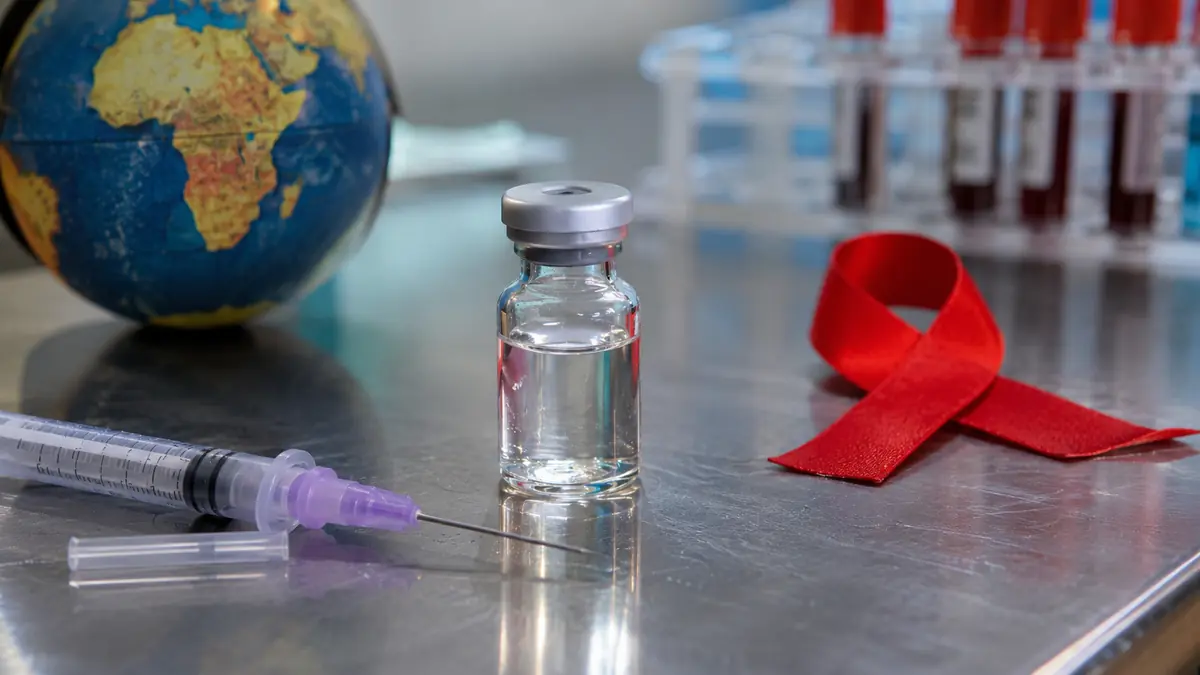
Low-cost generic lenacapavir—a twice-yearly injection for HIV pre-exposure prophylaxis (PrEP)—has begun shipping to Zambia, Uganda, and Zimbabwe, expanding access to long-acting HIV prevention in regions with high infection rates. While headlines highlight the dramatic price drop from roughly $28,000 per year in the United States to an estimated $40 annually in low- and middle-income countries, many readers wonder whether the generic shot is clinically identical to the brand-name version and how people in the U.S. access the medication.
Generic lenacapavir uses the same active ingredient and twice-yearly dosing schedule as the U.S.-approved brand-name injection (Yeztugo). In November 2026, Indian manufacturer Hetero began shipping an initial 300,000 vials to Zambia, Uganda, and Zimbabwe under a voluntary license from Gilead Sciences. In the United States, only the brand-name version is available, and both the CDC and FDA recommend it for HIV-negative adults and adolescents weighing at least 35 kg (77 lbs).
Why Generic Lenacapavir Is Making Headlines
In late November 2026, Hyderabad-based pharmaceutical manufacturer Hetero began phased shipments of generic injectable lenacapavir—marketed as Lexapir and Capvic—with an initial supply of 300,000 vials bound for Zambia, Uganda, and Zimbabwe. According to reports citing the Global Fund, the first batch arrived in Zambia, with deliveries to Uganda and Zimbabwe following.
The rollout operates under a non-exclusive voluntary licensing agreement with Gilead Sciences, the U.S. developer of lenacapavir. Under this framework, generic manufacturers can produce and distribute the medication across eligible low- and middle-income countries at roughly $40 per person per year, compared with a U.S. list price of around $28,000 annually. Hetero expects to introduce its own generic oral initiation tablets by January 2027, with Gilead supplying starter tablets in the interim, and plans broader distribution across 10 additional African nations in early 2027.
Brand-Name vs. Generic Lenacapavir: What Differs and What Stays the Same
A common misconception is that lower-cost generic PrEP drugs are diluted or less effective formulations. Regulatory standards require generic drugs to contain the exact same active pharmaceutical ingredient, strength, dosage form, and route of administration as the reference product.
| Feature | Brand-Name Lenacapavir (Yeztugo) | Generic Lenacapavir (Lexapir / Capvic) |
| Manufacturer | Gilead Sciences | Hetero (under voluntary license) |
| Active Ingredient | Lenacapavir (HIV-1 capsid inhibitor) | Lenacapavir (HIV-1 capsid inhibitor) |
| Primary Availability | United States and high-income markets | Eligible low- and middle-income countries (starting in Zambia, Uganda, Zimbabwe) |
| Dosing Schedule | Loading dose (oral + injection), then subcutaneous injection every 6 months | Loading dose (oral + injection), then subcutaneous injection every 6 months |
| Estimated Annual Cost | ~$28,000 (U.S. list price before insurance/assistance) | ~$40 per person per year |
For readers in the United States, generic lenacapavir is not commercially available due to U.S. patent protections. Americans seeking twice-yearly injectable PrEP receive the FDA-approved brand-name formulation, Yeztugo.
What the Clinical Evidence Shows (and Its Limits)
Lenacapavir works differently from older daily PrEP pills. Rather than blocking reverse transcriptase enzymes, it targets the HIV-1 capsid—the protein shell that protects the virus’s genetic material—disrupting multiple stages of viral replication.
Two major phase 3 randomized controlled trials established its preventive efficacy:
- PURPOSE 1 (Cisgender Women): Published in The New England Journal of Medicine in 2024, the PURPOSE 1 trial enrolled 5,338 HIV-negative adolescent girls and young women ages 16 to 25 across South Africa and Uganda. Among participants assigned to twice-yearly subcutaneous lenacapavir, zero HIV infections occurred, compared with 55 incident infections across the daily oral PrEP comparison groups.
- PURPOSE 2 (Cisgender Men and Gender-Diverse People): Published in The New England Journal of Medicine in late 2024, the PURPOSE 2 trial evaluated 3,265 HIV-negative cisgender gay, bisexual, and other men who have sex with men, transgender women, transgender men, and gender-nonbinary individuals across multiple countries, including the United States. Twice-yearly lenacapavir reduced HIV incidence by 96% compared with background HIV incidence and proved superior to daily oral emtricitabine/tenofovir disoproxil fumarate (F/TDF).
What the evidence does not show: Clinical trials do not prove that lenacapavir protects against other sexually transmitted infections (STIs) such as syphilis, gonorrhea, or chlamydia—it only prevents HIV-1. Additionally, long-term real-world adherence data outside structured clinical trials is still being collected, and researchers continue to monitor how delayed or missed 6-month appointments affect drug resistance risk.
What Most Coverage Leaves Out: How Dosing and Initiation Actually Work
News reports often describe lenacapavir simply as “two shots a year,” which can mislead people into thinking protection begins immediately after a single quick visit. According to the FDA prescribing information for Yeztugo and CDC clinical guidelines for injectable lenacapavir, starting the medication requires a specific two-day loading protocol:
- Day 1: Two 1.5 mL subcutaneous injections (927 mg total) administered into the abdomen (or thigh) by a healthcare provider, plus 600 mg taken orally (two 300 mg tablets).
- Day 2: An additional 600 mg taken orally (two 300 mg tablets) at home.
- Maintenance (Every 6 Months): Two 1.5 mL subcutaneous injections (927 mg total) every 26 weeks, within a window of plus or minus 2 weeks.
Skipping the Day 1 and Day 2 oral loading tablets can leave drug levels too low during the first several weeks, reducing protection against HIV exposure.
Who Should Be Cautious or Avoid Lenacapavir
Both the FDA and the World Health Organization (WHO) guidelines on lenacapavir emphasize strict safety checks before and during use:
- Unknown or positive HIV-1 status: Lenacapavir PrEP is contraindicated in anyone who already has HIV-1 or whose status has not been confirmed negative. Starting a single-drug PrEP regimen during an undiagnosed acute HIV infection can cause the virus to develop resistance to lenacapavir, making future HIV treatment harder. A negative HIV test is required before initiation and before every 6-month injection.
- Significant drug interactions: Strong or moderate CYP3A inducers—such as certain anticonvulsants (carbamazepine, phenytoin), antimycobacterials (rifampin, rifabutin), and the herbal supplement St. John’s wort—can substantially lower lenacapavir levels in the body and reduce its effectiveness.
- Weight requirements: U.S. approval applies to adults and adolescents weighing at least 35 kg (77 lbs).
- Long systemic tail: Because lenacapavir is a long-acting depot injection, small amounts can remain in the bloodstream for 12 months or longer after the final dose. If a person stops receiving injections, they must transition to another HIV prevention method if ongoing exposure risk remains, as waning drug levels will not prevent infection and could select for resistant virus if HIV is acquired.
- Injection-site reactions: Subcutaneous nodules, mild pain, or swelling at the injection site are common. In clinical trials, small skin nodules were frequently palpable for several months, though most were mild and painless.
Questions to Ask a Doctor or Pharmacist Before Starting Injectable PrEP
If you are considering twice-yearly injectable PrEP in the United States, bring these practical questions to your healthcare provider:
- Which HIV test will you use before my first injection? Confirm that testing rules out recent acute HIV infection before starting.
- Do any of my current prescriptions or supplements interact with lenacapavir? Ask your pharmacist to screen for CYP3A inducers, including seizure medications or herbal products.
- What happens if I miss my 26-week appointment window? Ask how far past the 2-week grace period you can go before needing oral bridging tablets or a repeat loading dose.
- How will my insurance cover Yeztugo, and what copay assistance is available? While federal rules require most U.S. insurers to cover recommended PrEP options without cost-sharing, clinics often need to submit prior authorizations for newer brand-name injectables.
Frequently Asked Questions
Is generic lenacapavir coming to the United States soon?
No. Gilead Sciences’ voluntary licensing agreements apply only to designated low- and middle-income countries. In the United States, lenacapavir is protected by patents, so patients receive brand-name Yeztugo.
How effective is twice-yearly lenacapavir compared with daily PrEP pills?
In the PURPOSE 1 and PURPOSE 2 clinical trials, twice-yearly lenacapavir demonstrated higher protection rates than daily oral PrEP pills, largely because participants did not have to remember a daily dose. When taken consistently every day, oral PrEP pills also offer very high protection, so the best choice depends on personal preference, medical history, and insurance coverage.
Can pregnant or breastfeeding people use injectable lenacapavir?
According to the CDC’s clinical recommendations, available safety and efficacy data in pregnancy are limited, though no adverse pregnancy signals emerged in clinical trials. Pregnant or breastfeeding individuals can use or continue lenacapavir PrEP after weighing their risk of acquiring HIV with their healthcare provider.
Does lenacapavir protect against other sexually transmitted infections?
No. Lenacapavir only prevents HIV-1 infection. The CDC recommends pairing PrEP with regular STI screening and barrier methods such as condoms to reduce the risk of other infections.
What happens if I decide to stop getting the injections?
Residual levels of lenacapavir can stay in your body for 12 months or longer after your last shot, but those declining levels are not high enough to prevent HIV. If you remain at risk for HIV exposure, talk to your provider about switching to daily oral PrEP or another prevention strategy before your next scheduled injection is due.