Heart Health: Warning Signs You Should Never Ignore
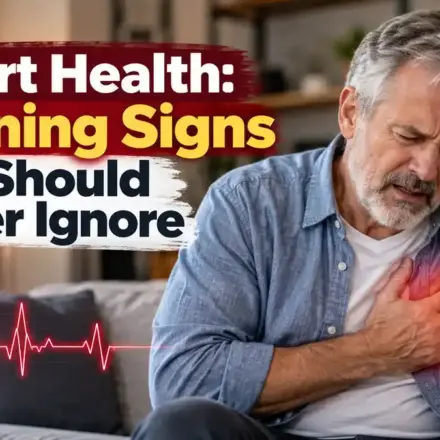
When people think about heart trouble, they often picture the classic cinematic scene: someone clutching their chest and collapsing to the floor. While sudden and severe cardiac events do occur, heart disease and cardiovascular distress frequently manifest in subtler, less dramatic ways. Recognizing these warning signs early can be critical, yet many people dismiss or misinterpret symptoms until a medical emergency arises.
Understanding what your body is trying to tell you—and knowing the difference between ordinary fatigue and signs that require immediate medical evaluation—is an essential part of safeguarding your long-term cardiovascular health.

Table of Contents
The Wide Spectrum of Heart Symptoms
A common misconception is that heart problems always hurt. In reality, cardiovascular issues can cause a diverse array of physical sensations that do not fit the traditional mold of a crushing chest pain.
Furthermore, symptoms can vary significantly depending on biological sex, age, and underlying health conditions. Women, older adults, and individuals with diabetes, for example, are more likely to experience atypical symptoms during a cardiac event, which can lead to dangerous delays in seeking care.
Warning Signs That Warrant Prompt Evaluation
Certain physical changes should never be ignored or brushed off as simple stress, aging, or indigestion. While these signs can be caused by a variety of non-cardiac conditions, they always merit a professional medical assessment.
- Chest discomfort or pressure: Often described as a sensation of tightness, pressure, fullness, or squeezing in the center or left side of the chest. It typically lasts more than a few minutes or goes away and comes back.
- Unexplained shortness of breath: Feeling winded or struggling to catch your breath during routine physical activities that previously caused no difficulty, or experiencing shortness of breath while resting.
- Persistent fatigue: An overwhelming, unusual exhaustion that interferes with daily tasks and does not improve with adequate sleep. This is particularly common among women in the weeks leading up to a cardiac event.
- Radiating discomfort: Pain or discomfort that spreads beyond the chest to one or both arms, the back, neck, jaw, or upper stomach.
- Lightheadedness or sudden dizziness: Feeling faint, unsteady, or dizzy, especially when accompanied by shortness of breath or a racing heartbeat.
- Cold sweats: Breaking out in a cold, clammy sweat for no apparent reason.
Distinguishing Cardiac Symptoms from Common Misunderstandings
It is easy to mistake heart-related symptoms for minor ailments such as acid reflux, muscle strain, or general anxiety. For instance, sharp, fleeting chest pains that worsen only when you press on a specific spot on your chest wall are usually muscular or skeletal in origin, whereas pressure or tightness that builds with exertion is more concerning.
However, because symptoms overlap across multiple conditions, symptoms alone cannot establish a definitive diagnosis. Only a comprehensive medical evaluation—which may include an electrocardiogram (ECG), blood tests, or imaging studies performed by healthcare professionals—can determine the true cause.
When to Seek Emergency Medical Care
Knowing when to wait for a routine doctor’s appointment versus when to call 911 can save a life.
You should seek emergency medical attention immediately if you or someone else experiences sudden, intense chest pressure or discomfort combined with any of the following “red flag” signs:
- Difficulty breathing or severe shortness of breath
- Sudden weakness or numbness, particularly on one side of the body
- Fainting or sudden loss of consciousness
- Discomfort spreading rapidly to the jaw, neck, back, or arms
- A feeling of impending doom or sudden, unexplained sweating
Do not attempt to drive yourself to the hospital if you suspect a cardiac emergency; call 911 so that emergency medical personnel can begin life-saving evaluation and treatment en route.
Proactive Heart Health
Recognizing warning signs is vital, but preventing cardiovascular problems before they start remains the most effective strategy. Incorporating regular physical activity into your routine, maintaining a balanced diet rich in whole foods, managing stress, avoiding tobacco use, and keeping up with routine screenings for blood pressure, cholesterol, and blood sugar can significantly reduce your risk over time.
For more guidance on building sustainable wellness habits, read our guide on how to start a healthy lifestyle.
Sources
- Centers for Disease Control and Prevention (CDC). Heart Disease Signs and Symptoms.
- American Heart Association (AHA). Warning Signs of a Heart Attack.
- National Heart, Lung, and Blood Institute (NHLBI). Heart Attack Overview.