Dietary Supplements: 3 Things to Know Before Taking Vitamins and Minerals
Walking down the wellness aisle can be overwhelming. Bottles promise sharper focus, boundless vitality, and robust immunity. Because these products sit openly on pharmacy shelves right next to over-the-counter remedies, most consumers assume they undergo the same rigorous safety testing as prescription medicine.
Decades of clinical experience tell a very different story. While targeted supplementation can be a lifesaver for someone with an iron deficiency or a documented vitamin D shortage, taking pills blindly rarely produces better health. In many instances, it creates unforeseen complications.
Before adding a new bottle to your daily routine, understanding the regulatory reality, the biology of nutrient overload, and potential medication interactions will protect both your wallet and your health.

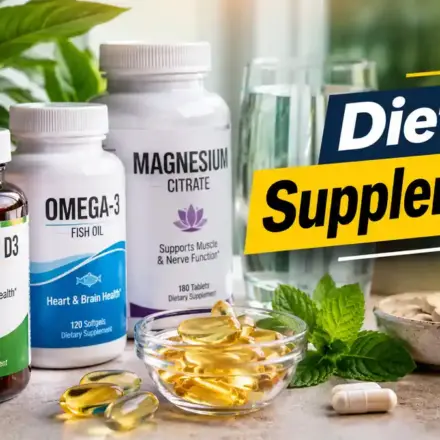
Dietary supplements are not regulated by the FDA like prescription drugs, meaning purity and efficacy are not guaranteed before they reach the shelf. High doses of fat-soluble vitamins (such as A, D, and E) or concentrated minerals can accumulate in your tissues, leading to organ toxicity rather than better energy. Always verify third-party certifications (like USP or NSF), run your full supplement list past a clinician to rule out dangerous drug interactions, and focus first on nutrient-dense whole foods.
1. The FDA Does Not Approve Supplements Before They Hit Shelves
The most pervasive misconception in the wellness space is the belief that a supplement is proven safe and effective simply because it is sold in an American store.
Under the Dietary Supplement Health and Education Act (DSHEA) of 1994, dietary supplements are classified as food rather than pharmaceuticals. This regulatory distinction changes everything:
- No Pre-Market Proof Required: Drugmakers must submit extensive clinical trial data to the U.S. Food and Drug Administration (FDA) to demonstrate safety and efficacy before a prescription drug is approved. Dietary supplement manufacturers do not need FDA approval to sell their products.
- Post-Market Enforcement: The FDA typically steps in only after a product has reached the public and adverse reactions, illegal contamination, or fraudulent labeling have been reported.
- Structure/Function Loophole: Companies cannot legally claim their supplement “cures” or “treats” heart disease or diabetes. However, they can legally claim it “supports cardiovascular function” or “promotes metabolic vitality”—vague language that requires no clinical trials.
Because self-policing leaves room for inconsistencies, independent oversight is essential. When selecting a supplement, look for an official verification mark on the bottle. Independent organizations like the U.S. Pharmacopeia (USP) and the NSF International test products to confirm that what is on the label is actually inside the capsule, and that the product is free from unsafe levels of heavy metals, microbes, or undeclared prescription drugs. If you are exploring everyday nutritional choices, you can also browse our guides on balanced nutrition and discover lifestyle strategies that support baseline vitality without relying on synthetic pills.
2. More Is Not Better: The Real Threat of Nutrient Toxicity
Modern wellness culture often treats vitamins as benign—suggesting that whatever your body doesn’t need, it simply washes away. That is only partially true, and assuming it applies to everything is a dangerous mistake.
Nutrients fall into two metabolic classes, each handling surplus differently:
Water-Soluble vs. Fat-Soluble Nutrients
| Nutrient Class | Key Examples | How the Body Handles Excess | Potential Risks of Mega-Dosing |
| Water-Soluble | Vitamin C, B-Complex (B6, B12, Niacin, Folate) | Excess is largely filtered by the kidneys and excreted in urine. | High doses of B6 can cause peripheral neuropathy (nerve tingling/numbness); mega-dose vitamin C can trigger kidney stones and gastrointestinal distress. |
| Fat-Soluble | Vitamins A, D, E, K | Absorbed alongside dietary fats and stored in liver and adipose (fat) tissue. | Does not wash out easily. Excess vitamin A can cause liver damage and bone thinning; excess vitamin D raises blood calcium, risking renal calcification and cardiac arrhythmias. |
Minerals behave much like fat-soluble vitamins because your organs must actively regulate them. Excessive iron supplementation can lead to tissue oxidation and organ damage, while high doses of supplemental calcium without adequate cofactors can increase the risk of arterial stiffness and kidney stones.
Before taking megadoses, review the Recommended Dietary Allowances (RDAs) compiled by the National Institutes of Health (NIH) Office of Dietary Supplements. For most people, a well-rounded diet already supplies these essentials. If you are refining your plate, read our practical breakdown of essential health tips and our guide to sustainable weight loss through nutrient-dense foods.
3. Natural Does Not Mean Harmless: Beware of Medication Interactions
A common oversight is failing to disclose supplement use to a primary care physician or pharmacist. Because vitamins and herbal extracts are sold over the counter, people often regard them as distinct from “real medicine.”
In reality, high-potency micronutrients act as biologically active compounds. They alter metabolic pathways, speed up or slow down liver enzymes, and compete with prescription drugs:
- Blood Thinners and Vitamin K: Patients taking warfarin (Coumadin) must monitor their vitamin K intake carefully. Vitamin K promotes natural blood clotting, directly counteracting the medication’s therapeutic effect and raising the risk of blood clots or stroke.
- St. John’s Wort and Liver Clearance: While technically an herbal botanical rather than an isolated mineral, this popular mood supplement speeds up the cytochrome P450 enzyme pathway. This accelerates the breakdown of oral contraceptives, blood pressure drugs, statins, and immunosuppressants, rendering them ineffective.
- Antioxidants and Cancer Therapies: Concentrated doses of vitamins C and E can blunt the therapeutic mechanism of certain chemotherapies and radiation treatments, which intentionally use oxidative stress to destroy cancer cells.
- Thyroid Medication and Minerals: Calcium, iron, and magnesium bind to levothyroxine in the gut, severely blocking absorption. These supplements must be taken several hours apart from thyroid medications to maintain hormonal stability.
To optimize wellness safely, explore our evidence-based fitness routines and foundational advice for healthy skin and hair, which prioritize sustainable habits over unmonitored supplementation.
What a Veteran Clinician Recommends Doing Instead
If you suspect you have a nutritional shortfall, skip the urge to buy an all-in-one multivitamin or a trendy mega-pack. Instead, take a structured clinical approach:
- Test, Don’t Guess: Request a comprehensive metabolic panel, complete blood count (CBC), serum ferritin, and 25-hydroxy vitamin D test from your healthcare provider. Supplement only what the numbers prove you lack.
- Prioritize Food Synergy: Nutrients in whole foods do not work in isolation. The vitamin C in a bell pepper or orange comes packaged with bioflavonoids, fiber, and water that optimize cellular uptake without shocking your liver or kidneys.
- Audit Your Medicine Cabinet: Bring every bottle—including gummies, tinctures, and single-letter vitamins—to your annual wellness visit. Let your pharmacist or doctor verify whether any ingredient conflicts with your prescriptions.
- Demand Independent Verification: Never buy a product that fails to provide a transparent Certificate of Analysis or lacks a recognized independent verification seal from ConsumerLab, USP, or NSF.
Frequently Asked Questions
Do I need a daily multivitamin if I eat a balanced diet?
For most healthy adults with access to varied, nutrient-dense meals, a broad multivitamin offers little measurable clinical benefit. Decades of research compiled by the Centers for Disease Control and Prevention (CDC) demonstrate that whole foods provide superior bioavailability compared to synthetic isolate blends. Specific populations—such as pregnant individuals needing folic acid, older adults needing supplemental B12, or those with malabsorption disorders—are the primary exceptions.
Can taking too much vitamin D cause side effects?
Yes. Because vitamin D is fat-soluble, extreme doses build up in the body over time. Toxicity leads to hypercalcemia (abnormally high calcium levels in the blood), which can trigger nausea, muscle weakness, kidney stones, and in severe cases, renal damage. Dosage should always be guided by routine serum testing.
Are gummy vitamins as effective as regular tablets or capsules?
Gummy vitamins often contain added cane sugars, glucose syrups, and food colorings to improve taste. Furthermore, because gummy formulations are more prone to degradation during storage, manufacturers sometimes add excessive nutrient overages to compensate, leading to inconsistent dosing. Standard tablets, capsules, or food-based powders tested by verified programs like NSF International are typically more consistent.
How do I check if my supplements interact with my prescription drugs?
Always share an up-to-date list of your supplements with your pharmacist, who specializes in drug-nutrient metabolism. You can also use reputable, evidence-based online tools such as the Memorial Sloan Kettering About Herbs Database to review documented botanical and micronutrient drug interactions. For more insights on building daily vitality safely, explore our practical guidance on healthy lifestyle choices.