
Shamonda Virus: Symptoms, Transmission & Prevention
Updated November 4, 2026
Until last month, Shamonda virus was a name known mostly to veterinarians. Then French authorities reported the first documented human infection, in a patient who died, and search interest jumped overnight. A lot of what is circulating online is either alarmist or vague.
This article separates what is confirmed from what is still unknown. The honest summary is that the evidence is thin, and anyone claiming certainty about human symptoms is going beyond the data.
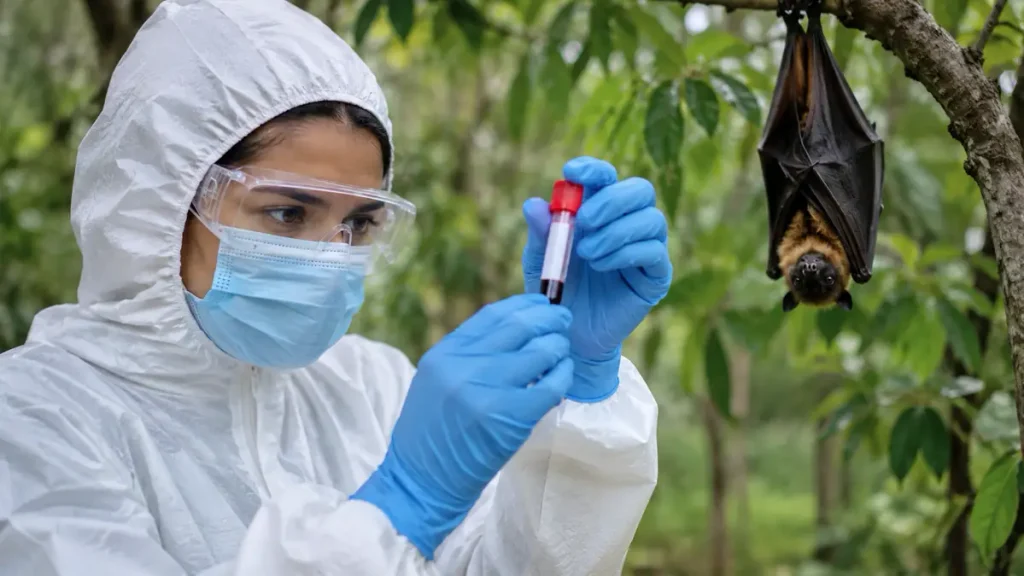
Shamonda virus mainly infects livestock and is thought to spread through biting midges. The world’s only confirmed human case so far was a severely immunocompromised older man in France who developed fatal brain inflammation. Health agencies have found no evidence of person-to-person spread or risk to the general public, though WHO says the risk can’t yet be reliably measured. No treatment or vaccine exists. I found no reports of detection in people or livestock in the United States as of early November 2026.
What Shamonda virus actually is
Shamonda virus (SHAV) belongs to a group called orthobunyaviruses. According to WHO’s Q&A on the virus, it was first isolated from cattle in Nigeria in 1965. It has since turned up in animals in parts of Africa and in Japan. It sits in the Simbu group alongside the Schmallenberg virus, a livestock virus that moved through Europe in the early 2010s, and WHO notes the two belong to the same species.
What changed in 2026 is geography. WHO reports the virus appeared in Europe for the first time in June, in cattle in southern Germany and Switzerland. By late October it had been found in animals across much of the continent, including 54 French departments. Two European variants are now recognized, named SHAV-EU1 and SHAV-EU2.
The French case: what happened
The details matter here, because they are the reason for both the headlines and the reassurance.
According to WHO’s Disease Outbreak News report, the patient was an older man living in rural eastern France with a weakened immune system. He was hospitalized in August for his underlying illness. In late September he developed visual disturbances, confusion, loss of consciousness and seizures, and was diagnosed with severe encephalitis (brain inflammation). He died on October 8.
Testing found the virus in his spinal fluid and, after death, at very high levels in brain, liver and spleen tissue. A broad panel of tests for other causes of encephalitis came back negative. French authorities consider the virus very likely responsible for the brain illness, though a single case limits how firmly anyone can say so.
Three things this case does not show:
- How he was infected. The source and route are unknown. Midge bites are considered the most likely explanation, and his family reported insect exposure, but that is a hypothesis.
- That healthy people are at risk. Santé publique France attributes the detection to the patient’s profound immune suppression and says nothing suggests human-to-human transmission or a risk to the general population.
- What a typical human infection looks like. One severely ill patient cannot define a disease. Mild or symptom-free infections in healthy people, if they occur, would not have been picked up by anyone.
He had also received multiple blood transfusions in 2026. Donors linked to those units tested negative, so WHO considers transfusion-related infection unlikely, though it cannot be fully excluded.
Symptoms: animals versus humans
| Cattle and other livestock | Humans | |
|---|---|---|
| What’s documented | Fever, diarrhea, reduced appetite and milk production; neurological disease in some horses | One case: confusion, seizures, vision problems, encephalitis |
| Strength of evidence | Established, though European strains are still being studied | A single case, in a severely immunocompromised patient |
| Pregnancy effects | Related Simbu viruses cause birth defects in animals; effects of SHAV still under investigation | Unknown |
For people, there is no recognized symptom list. I would be wary of any website that offers one with confidence. Fever, headache and confusion can come from dozens of conditions, so symptoms alone cannot tell anyone whether Shamonda is the cause. Diagnosis would require laboratory testing, such as RT-PCR, on a sample from the patient.
How it spreads
The working picture, per WHO, is that SHAV spreads between animals through bites from Culicoides midges, tiny flies that are sometimes called no-see-ums or punkies. Animals are not known to pass it directly to each other, except an infected pregnant animal to its fetus. Which midge species do most of the work is still unknown.
For people, WHO says there is currently no evidence that midges transmit SHAV to humans. It does point out that midges are known to transmit another orthobunyavirus, Oropouche virus, to people, which is why the hypothesis is taken seriously (see our explainer on Oropouche virus and midge-borne illness).
Other routes are being checked. Investigators are looking at whether the virus appears in the milk of infected cattle. WHO describes food-borne transmission as unlikely at present but still under study. Nothing published so far shows it happening.
Is Shamonda virus in the United States?
As of early November 2026, I found no report of Shamonda detected in people or livestock in the US. That can change, and the situation is moving quickly, so check the CDC and USDA for current status rather than relying on this page alone.
Biting midges do live in many parts of the US, but their presence doesn’t mean the virus is here. For American readers, the realistic risk right now is low. The more practical reasons to follow the story are travel to affected European regions, livestock and dairy work, and a possible shift in how health agencies classify this virus. The researchers writing in Nature describe the risk of spread between people as low, while noting that rising numbers of immunocompromised people make rare infections more consequential.
A CDC-published analysis of the virus’s emergence in central Europe covers the animal-side science in more depth for readers who want it.
Who should pay closer attention
- People with severely weakened immune systems, such as those on strong immunosuppressants or with certain blood cancers or transplants. This is the only group in which a human infection has been documented. If that’s you, discuss any travel to affected areas or farm exposure with your care team (see our guide to infection precautions with a weakened immune system).
- Farmers, veterinarians and livestock handlers in affected European countries.
- Travelers to rural Europe during midge season, which runs warm-weather months.
If you’re healthy and not in one of those situations, there is no recommendation to change anything.
Prevention: what’s reasonable
No agency has issued Shamonda-specific advice for the public, and there’s no vaccine. Ordinary bite prevention is sensible and low-cost, especially where the virus is circulating in animals:
- Use an EPA-registered insect repellent and follow the label. The EPA’s repellent search tool helps you compare products.
- Wear long sleeves and pants at dusk and dawn near livestock or standing water.
- Use window screens (midges are small, so fine mesh matters).
- Choose pasteurized dairy as a general food-safety habit (more in our raw milk safety guide). This is routine advice and not a claim that Shamonda has been shown in milk.
For farms, WHO says animal-side prevention focuses on limiting midge exposure, sound livestock management, and standard biosecurity.
Testing and treatment
There is no antiviral or vaccine for Shamonda virus in animals or people. A person with a serious unexplained brain illness would be treated for the illness itself while doctors rule out other causes. WHO advises that Shamonda be considered, and tested for, in people with compatible symptoms and a plausible occupational or environmental exposure, until more is known. If you’ve been in an affected area and develop sudden confusion, seizures, severe headache with fever, or vision changes, seek urgent care regardless of the cause. Those signs deserve prompt evaluation whatever the diagnosis (see warning signs of encephalitis).
What to watch for next
Experts will be looking at whether more human cases appear, what the source turns out to be, which midges carry the virus, and what happens when midge numbers fall in colder months. WHO notes that seasonal declines may reduce vector-borne spread in the short term without ruling out future exposure. Healthfity will update this page as new reports come in.
FAQ
Can Shamonda virus spread from person to person?
No evidence of it has been found. French authorities report no human-to-human transmission, and serological testing of the patient’s close contacts is underway, according to WHO.
Is Shamonda virus the same as Schmallenberg virus?
They are closely related and belong to the same species, but they’re distinct viruses. Schmallenberg has circulated in European livestock for years without established human disease (see our livestock-to-human disease overview).
Should I worry about eating beef or drinking milk?
Nothing published shows foodborne infection. WHO calls it unlikely and says milk investigations continue. Standard food safety, like pasteurized dairy and properly cooked meat, remains good practice.
Is it related to West Nile virus?
No, they’re different viruses. The two can look similar in horses, which is why WHO suggests vets test for both in neurological cases. For the human side of that comparison, see West Nile virus symptoms and prevention.
Is there a vaccine or treatment?
Neither exists for animals or humans at present, per WHO.
Where can I find the original case report?
Clinicians published the details in Eurosurveillance.