Respiratory Illnesses on the Rise: What You Need to Know
Respiratory illness activity across the United States is climbing as fall transitions into winter, driven largely by an early uptick in seasonal influenza alongside ongoing circulation of rhinoviruses, adenoviruses, COVID-19, and respiratory syncytial virus (RSV). A common misconception is that a sore throat, cough, or fever points to a single predictable “winter bug” that can be identified by symptoms alone. In practice, dozens of respiratory viruses cause overlapping symptoms, which means testing early, knowing your antiviral treatment window, and following updated return-to-activity rules matter far more than guessing which virus you caught.
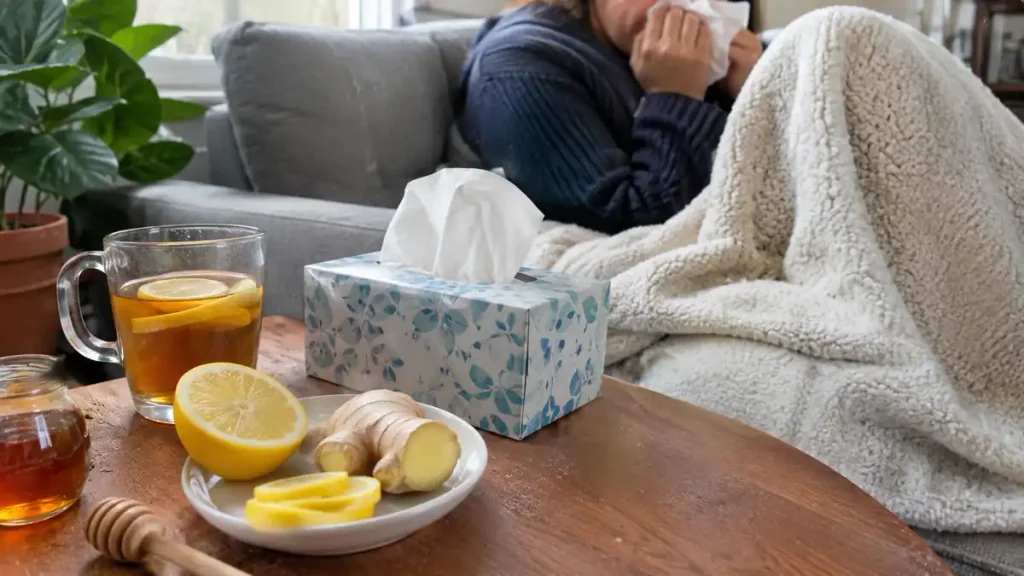
According to the Centers for Disease Control and Prevention (CDC), outpatient visits for respiratory illnesses crossed the national baseline in November 2026 as flu activity accelerated, while COVID-19 and RSV levels remained comparatively low nationally. Because early symptoms overlap across viral infections, people at higher risk for complications should test early so they do not miss time-sensitive prescription antivirals. For most otherwise healthy adults, recovery relies on rest, fluids, fever control, and staying home until you are fever-free without medication and your symptoms are improving for at least 24 hours.
What Is Driving the Current Surge?
Public health surveillance tracks multiple respiratory pathogens simultaneously because they rarely peak at the exact same time. Data published on the CDC Respiratory Illnesses Data Channel shows that overall acute respiratory illness seeking medical care is low but rising, with seasonal influenza driving much of the early momentum.
In the CDC Weekly U.S. Influenza Surveillance Report for Week 44 (ending November 7, 2026), 3.2% of outpatient healthcare visits were for influenza-like illness—surpassing the 2.9% national baseline—and 11.3% of clinical laboratory tests came back positive for influenza, predominantly influenza A(H1N1)pdm09. At the same time, national clinical positivity remained lower for COVID-19 (3.2%) and RSV, though wastewater surveillance showed moderate SARS-CoV-2 viral activity in many communities.
What most seasonal headlines leave out is the role of non-headline viruses. CDC surveillance notes that rhinoviruses, enteroviruses, and respiratory adenoviruses are also elevated nationally, alongside bacterial causes of cough and sore throat such as walking pneumonia (Mycoplasma pneumoniae), pertussis (whooping cough), and group A strep.
Why Symptoms Overlap—and How Common Illnesses Compare
Respiratory viruses infect the lining of the nose, throat, and airways, triggering a similar immune response: inflammation, mucus production, fatigue, and fever. Because your immune system reacts in comparable ways to different pathogens, symptom checklists cannot reliably separate COVID-19 from influenza, RSV, or a bad cold.
| Feature | Seasonal Flu (Influenza) | COVID-19 | RSV | Common Cold (Rhinovirus/Others) |
| Typical Onset | Sudden (within hours) | Gradual or sudden (2–14 days after exposure) | Gradual (4–6 days after exposure) | Gradual (1–3 days after exposure) |
| Fever & Chills | Common, often high (101°F–104°F) for 3–4 days | Common, though mild cases may have no fever | Less common in healthy adults; common in young children | Rare in adults; occasional low-grade fever in children |
| Body Aches & Fatigue | Prominent and often severe | Common, ranging from mild to severe | Mild to moderate | Mild or absent |
| Respiratory Symptoms | Dry cough, sore throat, nasal congestion | Cough, sore throat, shortness of breath, congestion | Wheezing, runny nose, barking or wet cough | Runny or stuffy nose, sneezing, mild sore throat |
| Distinctive Clues | Rapid exhaustion and high fever early on | New loss of taste or smell (less common with newer variants) | Wheezing and thick mucus in infants and older adults | Symptoms stay mostly above the neck |
| At-Home Rapid Tests | Combo flu/COVID rapid antigen tests available | Rapid antigen and molecular home tests widely available | Lab testing at clinics (limited home test availability) | Not routinely tested |
What Most Coverage Leaves Out: The Antiviral Clock and Antibiotic Traps
When respiratory illnesses surge, two treatment mistakes repeatedly delay recovery or cause avoidable side effects: missing the narrow prescription window for antivirals and taking antibiotics for viral infections.
The Antiviral Window Is Short—and Not Everyone Needs Them
Prescription antiviral medications do not cure respiratory viruses overnight, nor do they substitute for vaccination. However, for people at higher risk of severe illness, they can shorten symptom duration and reduce the risk of hospitalization:
- Influenza antivirals: According to the CDC flu antiviral treatment guidelines, medications such as oral oseltamivir (Tamiflu) or single-dose baloxavir (Xofluza) work best when started within 48 hours of symptom onset. Clinicians still recommend starting treatment after 48 hours for patients who are hospitalized, severely ill, or at high risk for complications.
- COVID-19 antivirals: Per the CDC COVID-19 outpatient treatment overview, oral nirmatrelvir-ritonavir (Paxlovid) must be started within 5 days of symptom onset, while intravenous remdesivir (Veklury) can be started within 7 days. Because ritonavir interacts with many common heart, cholesterol, blood-thinning, and transplant medications, a doctor or pharmacist must review your full medication list and kidney function before prescribing it.
- RSV treatment: No routine outpatient antiviral pill exists for RSV in adults; care focuses on hydration, oxygen support if needed, and symptom relief.
Why Antibiotics Will Not Help a Viral Infection
Antibiotics kill bacteria, not viruses. Taking leftover amoxicillin or requesting a “Z-Pak” for influenza, COVID-19, or a viral chest cold will not shorten your illness. Unnecessary antibiotic use exposes you to diarrhea, yeast infections, allergic reactions, Clostridioides difficile (C. diff) colitis, and antibiotic-resistant bacteria. Doctors prescribe antibiotics only when evaluation confirms a bacterial infection such as strep throat, bacterial pneumonia, or whooping cough.
A Practical Decision Guide: What to Do When Symptoms Start
Use this step-by-step checklist during the first 48 hours of feeling sick:
- Assess your risk profile first. You face higher risk for severe respiratory complications if you are age 65 or older, pregnant, under age 5 (especially under age 2), immunocompromised, or living with chronic heart disease, lung disease (such as asthma or COPD), diabetes, kidney disease, or severe obesity.
- Test early if you are high-risk or live with someone who is. Over-the-counter combination tests check for both COVID-19 and influenza A/B from a single nasal swab. Even if an initial rapid antigen test is negative in the first 24 hours, repeat testing 48 hours later improves accuracy.
- Contact your healthcare provider promptly if eligible for treatment. If you are in a high-risk group and test positive—or have classic flu symptoms during active local spread—call your clinic or use a telehealth visit right away rather than waiting to see if symptoms worsen.
- Manage mild symptoms safely at home. Drink water, broth, or electrolyte solutions regularly to prevent dehydration. Use single-ingredient acetaminophen or ibuprofen as directed on the label for fever and body aches, and check multi-symptom cold medicines carefully so you do not accidentally double up on acetaminophen. Honey (for adults and children age 1 year and older) and cool-mist humidifiers can ease cough irritation; never give honey to infants under 12 months due to the risk of infant botulism.
- Follow current isolation and return-to-activity rules. Under the CDC guidance for preventing spread of respiratory viruses, stay home and away from others until both of the following have been true for at least 24 hours: your symptoms are improving overall, and you have been fever-free without using fever-reducing medications. For the next five days after resuming normal activities, take added precautions around others indoors—such as wearing a well-fitting mask, improving ventilation, and keeping physical distance.
Where Immunization Guidance Stands Right Now
Vaccination remains the primary tool for lowering the risk of hospitalization and severe disease across the three major winter viruses. Notably, U.S. medical societies and federal agencies have presented slightly different framing for the 2026–2027 season: while the CDC carried forward prior seasonal frameworks and emphasized shared clinical decision-making for COVID-19 vaccination, major physician organizations—including the American Academy of Family Physicians (AAFP), American Academy of Pediatrics (AAP), and American College of Obstetricians and Gynecologists (ACOG)—issued unified 2026–2027 immunization recommendations.
As summarized in the American Medical Association overview of 2026–2027 respiratory virus immunizations :
- Seasonal Influenza: Recommended annually for everyone aged 6 months and older. Adults aged 65 and older are advised to receive a high-dose, adjuvanted, or recombinant flu vaccine when available.
- COVID-19: Medical societies recommend an updated 2026–2027 COVID-19 vaccine for all adults aged 19 and older (with a second dose 6 months later for adults 65 and older), children aged 6 to 23 months, pregnant and lactating individuals, and older children or teens at higher risk or whose parents seek protection.
- RSV: Recommended as a single lifetime dose for all adults aged 75 and older and adults aged 50 to 74 with high-risk medical conditions. To protect newborns, ACOG and CDC guidance recommends either a maternal RSV vaccine given between 32 and 36 weeks of pregnancy (from September through January in most of the continental U.S.) or an infant preventive antibody injection (such as nirsevimab).
You can safely receive flu, COVID-19, and eligible RSV vaccines during the same pharmacy or clinic visit.
When to Seek Urgent or Emergency Care
Most viral respiratory illnesses improve within 7 to 10 days, though a lingering dry cough can last two to three weeks. Seek immediate medical evaluation or emergency care if you or someone you care for develops any of these warning signs:
- Difficulty breathing, shortness of breath at rest, or fast, shallow breathing
- Persistent pain or pressure in the chest or abdomen
- Sudden dizziness, confusion, difficulty waking up, or severe weakness
- Bluish or gray tint to the lips, tongue, or nail beds
- Signs of severe dehydration, such as dizziness upon standing, confusion, or going many hours without urinating
- Fever or cough that improves for a day or two and then returns worse than before (a classic sign of a secondary bacterial infection such as pneumonia)
- In infants and young children: ribs pulling in with each breath (retractions), nasal flaring, refusal to drink fluids, or extreme irritability
Frequently Asked Questions
Can you catch two respiratory viruses at the same time?
Yes. Co-infections—such as having influenza and COVID-19, or RSV and a rhinovirus simultaneously—do occur, especially during peak fall and winter circulation. Testing positive for one virus does not make you immune to others, and co-infections can sometimes cause more prolonged symptoms in young children, older adults, and immunocompromised people.
How can I tell the difference between a lingering viral cough and pneumonia?
A post-viral cough gradually becomes less frequent over two to three weeks without new fevers or shortness of breath. Pneumonia typically causes a fever that persists or returns after initial improvement, worsening cough with discolored phlegm, chest pain when breathing deeply, or shortness of breath during routine activities, which requires an in-person exam and chest imaging.
Do nasal sprays, zinc, or vitamin C prevent respiratory viruses?
Evidence for supplements is limited. Large clinical reviews suggest regular vitamin C supplementation does not prevent colds in the general population, though it may slightly shorten symptom duration by less than a day, while oral zinc lozenges taken within 24 hours of symptom onset may modestly shorten cold duration but can cause nausea and taste changes. Saline nasal sprays and rinses (using distilled, sterile, or previously boiled and cooled water) can safely relieve congestion without medication side effects.
If I had COVID-19 or the flu earlier this year, do I still need a vaccine?
Yes. Immunity from a prior infection wanes over several months, and circulating influenza and SARS-CoV-2 strains evolve each season. Once you have recovered from your acute illness and are no longer contagious, getting the updated seasonal flu and COVID-19 vaccines broadens your protection against the strains currently circulating.
How long am I contagious after starting Tamiflu or Paxlovid?
Starting an antiviral medication reduces viral levels in your body, but it does not immediately make you non-contagious. You should still follow the CDC respiratory virus precautions by staying home until your symptoms are improving and you have been fever-free without fever-reducing medicine for at least 24 hours, followed by five days of added precautions such as masking indoors.