
Lung Cancer in Non-Smokers: Understanding the Hidden Causes, Risks, and Red Flags
For decades, public health messaging has drawn a nearly exclusive line between cigarette smoking and lung cancer. While active smoking remains the primary cause of respiratory malignancies overall, that single association has created a dangerous clinical blind spot. Many people believe that if they have never puffed a cigarette, their lungs are completely protected.
The epidemiological reality tells a different story. If lung cancer in “never-smokers”—defined medically as individuals who have smoked fewer than 100 cigarettes in their entire lifetime—were categorized as its own separate disease entity, it would rank among the top ten deadliest cancers in the United States.
Between 10% and 20% of lung cancer diagnoses in the US occur in non-smokers, claiming approximately 20,000 to 40,000 lives annually. When a non-smoker experiences a persistent, lingering cough or vague chest tightness, neither they nor their physician typically suspect a malignancy right away. As a result, non-smokers are often diagnosed at substantially more advanced stages.
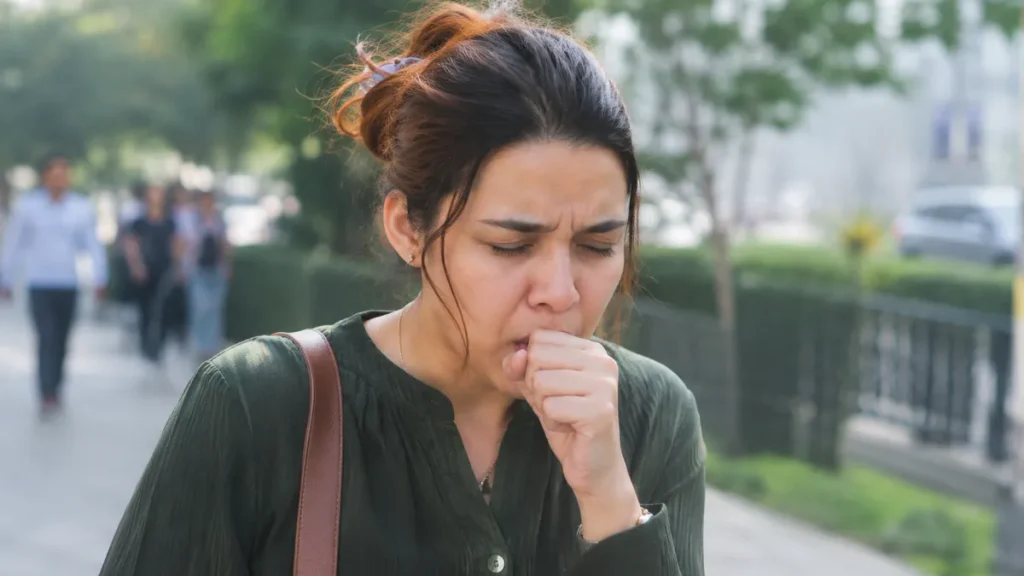
Understanding the unique environmental drivers, biological profiles, and subtle symptoms of lung cancer in non-smokers can mean the difference between a missed red flag and life-saving, timely intervention.
Lung cancer in non-smokers is biologically distinct from smoking-related cancer, often presenting as adenocarcinoma driven by specific genetic alterations (such as EGFR mutations). The leading causes are environmental: indoor radon gas exposure, secondhand tobacco smoke, airborne particulate pollution (PM2.5), and occupational hazards like asbestos. Because non-smokers do not qualify for routine low-dose CT screening, recognizing subtle symptoms—like an unexplained cough lasting longer than four weeks—and testing your home for radon are your most effective defenses.
Is Lung Cancer in Non-Smokers a Different Disease?
From an oncological perspective, the answer is a definitive yes.
When a long-term tobacco smoker develops lung cancer, tumors typically arise in the central bronchial airways and are dominated by squamous cell carcinomas or small cell lung cancers. These tumors feature extensive, random DNA damage characterized by high tumor mutational burdens caused by thousands of inhaled chemical carcinogens.
In non-smokers, however, the disease almost always manifests as adenocarcinoma, a type of non-small cell lung cancer (NSCLC) that develops in the outer, peripheral regions of the lungs where mucus-producing cells reside.
Instead of widespread, chaotic cellular injury, tumors in non-smokers are commonly driven by single, actionable “driver mutations.” These include alterations in genes such as EGFR (epidermal growth factor receptor), ALK (anaplastic lymphoma kinase), ROS1, and RET. This critical biological distinction means non-smokers often respond remarkably well to targeted oral therapies rather than conventional cytotoxic chemotherapy.
Primary Causes and Environmental Risks
If tobacco isn’t the trigger, what causes the respiratory cells of a non-smoker to mutate? Decades of environmental epidemiology point toward four primary non-tobacco exposures:
1. Residential Radon Gas
Radon is the leading cause of lung cancer among non-smokers in the United States and the second leading cause overall. According to the US Environmental Protection Agency (EPA), indoor radon exposure is responsible for approximately 21,000 lung cancer deaths each year, with nearly 3,000 of those occurring in lifelong non-smokers.
Radon is an invisible, odorless, naturally occurring radioactive gas formed by the radioactive decay of uranium in rock and soil. It seeps into homes through microscopic foundation cracks, sump pumps, crawlspaces, and basement floor joints. When inhaled, radioactive alpha particles lodge in delicate lung tissue, breaking DNA strands and initiating malignant transformations over years of quiet exposure. Protecting your family begins with clean indoor environments; explore our practical recommendations on how to improve indoor air quality at home to reduce household airborne toxins.
2. Secondhand Tobacco Smoke
Passive inhalation of environmental tobacco smoke remains a major public health hazard. The Centers for Disease Control and Prevention (CDC) notes that living with a smoker increases a non-smoker’s baseline risk of developing lung cancer by 20% to 30%. Secondhand smoke contains more than 7,000 chemicals, at least 70 of which are known human carcinogens that bypass natural airway defenses.
3. Ambient Outdoor Air Pollution (PM2.5)
Long-term exposure to ambient air pollution—specifically fine particulate matter measuring 2.5 microns or less (PM2.5)—is an established Group 1 human carcinogen. Groundbreaking mechanistic research spearheaded by the Francis Crick Institute revealed how fine pollutants trigger cancer: PM2.5 acts as an inflammatory irritant that awakens dormant, pre-existing EGFR mutations in lung cells, effectively switching on malignant cell proliferation without directly damaging the DNA itself.
4. Occupational Carcinogens and Mineral Fibers
Workplace exposures contribute significantly to respiratory risk. People in construction, manufacturing, mechanical repair, or shipbuilding may encounter inhaled carcinogens, including:
- Asbestos: Firmly linked to pleural mesothelioma and lung adenocarcinoma.
- Crystalline Silica: Found in masonry, stone fabrication, and sandblasting.
- Diesel Exhaust, Chromium, and Arsenic: Industrial agents that inflict chronic oxidative injury on bronchial linings.
5. Genetic Susceptibility and Family History
Having a first-degree relative (parent, sibling, or child) who developed lung cancer roughly doubles an individual’s risk, even in the absence of personal or secondhand tobacco exposure. While inherited single-gene cancer syndromes are relatively rare in lung oncology, inherited variations in DNA-repair efficiency leave certain people significantly more vulnerable to everyday environmental insults.
Why Women and Younger Adults Face Higher Relative Incidence
One of the most striking demographic shifts in recent medical literature is that non-smoking women are disproportionately diagnosed with lung cancer compared to non-smoking men.
While overall lung cancer rates have declined in tandem with decreasing smoking rates across the general population, the rate among young non-smoking women (ages 30 to 50) has not dropped at the same pace. Researchers at the National Cancer Institute (NCI) and academic medical centers are actively investigating potential drivers behind this trend, including:
- Biological differences in estrogen receptor signaling in bronchial tissue, which may promote cellular proliferation.
- Differences in how female lung tissue clears fine particulate matter and environmental chemical toxins.
- Higher prevalence of specific driver alterations, notably EGFR mutations, in female non-smokers.
Understanding hormonal health and systemic markers is vital for overall vitality; take a moment to review our guide on signs of hormonal imbalance in adult women for a broader view of endocrine balance.
Comparing Lung Cancer: Smokers vs. Non-Smokers
| Key Characteristic | Lung Cancer in Smokers | Lung Cancer in Non-Smokers |
| Most Common Cell Type | Squamous cell carcinoma, Small cell lung cancer (SCLC) | Adenocarcinoma (NSCLC) |
| Primary Tumor Location | Central airways, large bronchi | Peripheral outer edges of the lungs |
| Genetic Profile | High mutational burden; complex, random alterations | Low mutational burden; single “driver” mutations (EGFR, ALK, ROS1) |
| Primary Root Cause | Inhaled tobacco carcinogens | Radon, secondhand smoke, PM2.5 pollution, genetics |
| Eligibility for Annual Screening | Covered by insurance for high-risk smokers (ages 50–80) | Not currently eligible under standard US screening guidelines |
| Primary Initial Therapy | Chemotherapy, immunotherapy combos, surgery | Targeted oral tyrosine kinase inhibitors (TKIs), surgery |
The Screening Dilemma and Subtle Red Flags
In the United States, the U.S. Preventive Services Task Force (USPSTF) recommends annual low-dose computed tomography (LDCT) scans exclusively for adults aged 50 to 80 who have a 20 pack-year smoking history and currently smoke or quit within the past 15 years.
Because non-smokers do not meet these criteria, there is currently no routine early screening program for them. Consequently, early detection depends entirely on symptom recognition and prompt medical evaluation.
Because adenocarcinomas typically grow on the outer edges of the lungs, they rarely block main airways early on. Symptoms develop gradually and are frequently mistaken for allergies, asthma, post-viral airway hyperreactivity, or adult-onset acid reflux.
Watch for these warning signs:
- A persistent, progressive cough: Any dry or productive cough lasting longer than three to four weeks without a clear respiratory infection.
- Subtle shortness of breath: Finding yourself unexpectedly winded during routine tasks, such as carrying groceries or climbing stairs. To gauge your baseline respiratory fitness, explore our overview of exercises for better lung capacity and stamina.
- Deep, localized chest or shoulder discomfort: A dull ache that worsens with deep inhalation, laughter, or coughing.
- Unexplained physical fatigue: Profound lethargy that does not improve after a full night’s sleep. Review our breakdown of unexplained chronic fatigue causes and warning signs to distinguish systemic fatigue from daily tiredness.
- Coughing up trace amounts of blood (hemoptysis): Even a small speck of rust-colored or red sputum requires immediate medical investigation.
- Recurrent bouts of pneumonia or bronchitis: Repeated infections localized to the exact same area of the lung.
Actionable Steps to Protect Your Respiratory Health
While you cannot change your genetics, there are concrete, evidence-based steps every non-smoker can take to safeguard their lungs:
1. Test Your Living Space for Radon
Do not assume your home is safe because your neighbor’s house tested clean or because you live in a modern building. Short-term radon test kits are available online and at home improvement centers for under $30. If levels read 4.0 picocuries per liter (pCi/L) or higher, the EPA recommends installing an active radon mitigation system with a sub-slab depressurization fan, which can reduce indoor radon concentrations by up to 99%.
2. Strictly Enforce Smoke-Free Zones
Never permit smoking or vaping inside your house or vehicle. If a family member smokes, urge them to seek evidence-based cessation counseling and ensure smoking occurs strictly outdoors and well away from open windows.
3. Check Local Air Quality Indexes (AQI)
Monitor your regional outdoor air quality using resources like AirNow.gov. On days when ambient ozone or PM2.5 levels reach “Unhealthy for Sensitive Groups” or worse, minimize vigorous outdoor aerobic workouts and keep indoor windows sealed. For broader wellness insights on cardiovascular and pulmonary protection, explore our primer on understanding cardiovascular and lung wellness.
4. Foster Systemic Resilience
A nutrient-dense diet rich in natural antioxidants—such as cruciferous vegetables, dark berries, and omega-3 fatty acids—helps the body counter cellular oxidative stress and support tissue repair. Learn how to adopt sustainable eating habits in our comprehensive guide to an evidence-based anti-inflammatory diet.
5. Advocate for Early Imaging When Symptoms Persist
If you develop a respiratory symptom that does not clear after a standard round of antibiotics, allergy medications, or inhalers, do not let your non-smoking status delay further investigation. Request a two-view chest X-ray, and if symptoms remain unexplained, discuss the clinical necessity of a non-contrast chest CT scan with your doctor.
Frequently Asked Questions (FAQ)
What is the single biggest cause of lung cancer in non-smokers?
The leading environmental cause is exposure to radioactive radon gas, which accounts for an estimated 21,000 lung cancer deaths annually in the US, including thousands among lifelong non-smokers. Testing your home is the only way to detect it.
How does treatment differ for a non-smoker diagnosed with lung cancer?
Because non-smokers overwhelmingly develop tumors driven by identifiable genetic alterations (like EGFR, ALK, or ROS1), standard first-line management often involves targeted molecular therapy pills (tyrosine kinase inhibitors) rather than traditional intravenous chemotherapy. Every non-smoker diagnosed with advanced non-small cell lung cancer should undergo comprehensive next-generation genetic sequencing (NGS) before starting systemic therapy.
Can an ordinary chest X-ray catch early lung cancer in non-smokers?
A simple chest X-ray can detect larger or centrally located lesions, but it often misses small, early-stage peripheral adenocarcinomas and ground-glass nodules. A low-dose chest CT scan is far more sensitive and detailed. If suspicious pulmonary symptoms persist despite a clear X-ray, your physician should evaluate whether a CT scan is clinically indicated.
Can adopting an anti-inflammatory diet prevent lung cancer?
While no specific nutritional regimen can guarantee complete immunity against cancer, a balanced, whole-food eating pattern minimizes systemic inflammation and supports your immune system’s natural cellular surveillance. Review our evidence-based guide on healthy and sustainable weight loss strategies for sustainable daily nutritional habits.
Is vaping safer for non-smokers than cigarette smoke?
Vaping exposes users and bystanders to lower levels of some combustion byproducts found in traditional cigarettes, but e-cigarette aerosols are not harmless water vapor. They deliver ultra-fine heavy metals, volatile organic compounds, and flavorings that provoke acute bronchial inflammation and impair respiratory defense barriers. Non-smokers should avoid both firsthand and secondhand vapor exposure.












[…] Excess sodium pulls water into the bloodstream, increasing blood volume and placing steady, destructive hydrostatic pressure against vascular walls. Over time, that constant tension stiffens the arteries, strains the heart muscle, and elevates the risk of heart attacks and cerebrovascular accidents. For a comprehensive look at how lifestyle habits directly affect arterial stiffness, explore our detailed breakdown of cardiovascular and lung health basics. […]
[…] requires understanding how lifestyle habits influence vascular tension; review our overview on cardiovascular and lung health basics for practical clinical perspectives on protecting arterial […]