Taking Multiple Supplements: Safety Risks and Expert Advice
Walking down the wellness aisle of any supermarket or scrolling through social media, it is easy to get the impression that optimal health comes from a daily handful of capsules. A multivitamin for general insurance, vitamin D for bone strength, zinc for immunity, fish oil for the heart, magnesium for sleep, and ashwagandha for stress—before long, your morning routine resembles a miniature pharmacy.
According to national health data from the Centers for Disease Control and Prevention (CDC), more than half of all American adults regularly take dietary supplements, with a rapidly growing percentage taking four, five, or even ten distinct products daily.
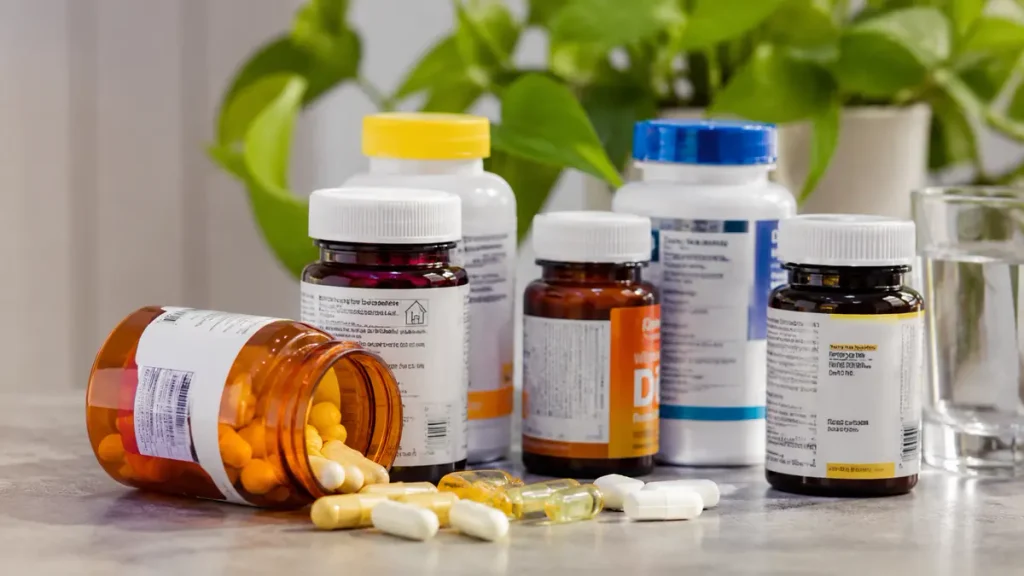
Yet, more is rarely better when it comes to human biochemistry. While individual nutrients are critical for physiological function, “supplement stacking” introduces real physiological complexities. Combining multiple dietary supplements can lead to cumulative nutrient overdoses, dangerous metabolic competition, liver or kidney strain, and unpredictable interactions with prescription medications.
Navigating the supplement landscape requires cutting through marketing promises to understand how these compounds behave inside your body, how to spot hidden overdoses, and how to safely streamline your daily routine.
Combining multiple supplements often causes accidental overdosing (especially with fat-soluble vitamins and trace minerals like zinc or iron) and can trigger competitive absorption, where one nutrient blocks another. Furthermore, herbal extracts and high-dose vitamins can alter liver metabolism, either blunting or dangerously intensifying prescription drugs. Safe supplementation relies on targeted lab testing, auditing total nutrient intake across all products and fortified foods, and reviewing your regimen with a physician or pharmacist.
The Illusion of “Natural”: Why Supplement Stacking Carries Real Risks
A widespread misconception in complementary wellness is that because dietary supplements are derived from plants or mirror vitamins found in nature, they are inherently harmless. In biology, however, dose determines whether a substance is a medicine, a nutrient, or a toxin.
Under the Dietary Supplement Health and Education Act (DSHEA), the U.S. Food and Drug Administration (FDA) does not evaluate dietary supplements for safety or efficacy before they reach retail shelves. Unlike pharmaceutical drugs, which must undergo rigorous clinical trials to prove what they do and identify interactions, supplements are monitored primarily after they are marketed, often only following reports of adverse consumer events.
When you stack multiple supplements, several distinct clinical issues can arise:
1. Cumulative “Stealth” Overdosing
Very few people take single-ingredient pills in isolation. A standard multivitamin already provides a baseline level of vitamins and minerals. If you take that multivitamin alongside an “immunity booster” (which typically contains zinc, vitamin C, and vitamin D), an “energy complex” (loaded with B vitamins), and a targeted bone supplement (containing calcium and vitamin D), your actual daily intake of specific nutrients can quietly soar past the Tolerable Upper Intake Level (UL) established by the National Institutes of Health (NIH) Office of Dietary Supplements.
2. Competitive Absorption Pathways
The human digestive tract relies on shared cellular transport systems to move minerals across the intestinal wall and into the bloodstream. When you flood the gut with high doses of several minerals at the exact same moment, they compete for the same transporters:
- Zinc vs. Copper: High supplemental zinc intake stimulates the intestinal production of metallothionein, a protein that binds copper and prevents its absorption. Over time, taking excessive zinc—even in modest “immune” doses—can cause profound copper deficiency, leading to severe neurological issues and anemia.
- Calcium vs. Iron: Calcium competitively inhibits both non-heme and heme iron absorption in the gut. Taking your iron supplement with a calcium pill or a calcium-fortified meal significantly reduces the amount of iron your body can absorb.
- Calcium vs. Magnesium: In very large single doses, calcium and magnesium can interfere with each other’s absorption efficiency, leaving you with little benefit from either.
3. Metabolic Strain on the Liver and Kidneys
Every oral capsule you swallow must be broken down, processed, and cleared. The liver relies on the Cytochrome P450 (CYP450) enzyme family to metabolize foreign compounds, herbs, and prescription drugs.
Certain popular botanicals—such as St. John’s wort, goldenseal, high-dose green tea extract, and ashwagandha—can either ramp up or shut down these crucial liver enzymes. If an herb speeds up CYP enzymes, it can break down medications like oral contraceptives, blood thinners, or blood pressure drugs so rapidly that they stop working. Conversely, if an herb inhibits liver enzymes, your prescription medications can build up to toxic levels in your bloodstream.
High-Risk Nutrient Overlaps to Watch For
To help you audit your supplement cabinet, consider how common nutrients behave when combined across multiple bottles:
| Nutrient | Daily Upper Limit (UL) for Adults | Common Overlapping Sources | Early Signs of Toxicity / Risk |
| Vitamin D | 4,000 IU (100 mcg) | Multivitamins, bone formulas, calcium chews, cod liver oil | Hypercalcemia, kidney stones, nausea, calcification of vascular tissue |
| Zinc | 40 mg | Cold lozenges, immune powders, multivitamins, hair/skin gummies | Secondary copper deficiency, nausea, altered lipid profiles, metallic taste |
| Vitamin A (Preformed / Retinol) | 10,000 IU (3,000 mcg) | Multivitamins, eye-health formulas, skin supplements | Liver enzyme elevation, bone thinning, headaches, severe birth defects |
| Iron | 45 mg (unless medically prescribed) | Prenatals, multivitamins, energy tonics, fortified foods | Gastrointestinal constipation, oxidative tissue damage, iron overload (hemochromatosis risk) |
| Vitamin B6 (Pyridoxine) | 100 mg | Stress-relief blends, PMS formulas, energy drinks, B-complexes | Peripheral neuropathy (numbness, tingling in feet/hands), ataxia |
Water-soluble vitamins (such as vitamin C and the B-complex group) are often promoted as completely benign because the body excretes excess amounts in urine. While your kidneys can flush out moderate excesses, ultra-high doses are far from harmless. For instance, chronic vitamin B6 consumption exceeding 100 to 200 mg daily can damage peripheral nerve fibers, causing the very tingling and burning sensations people take it to resolve.
Red-Flag Combinations: Supplements and Prescription Medications
If you manage a chronic medical condition or take daily prescription drugs, mixing in over-the-counter botanicals requires extreme caution.
- Blood Thinners and Herbal “G”s: Anticoagulants and antiplatelet drugs (such as warfarin, apixaban, or aspirin) do not mix well with high-dose vitamin E, ginkgo biloba, garlic extract, ginger supplements, or ginseng. These botanicals possess mild intrinsic antiplatelet properties, and stacking them with prescription blood thinners dramatically escalates the risk of spontaneous internal bleeding.
- Antidepressants and Serotonergic Herbs: Taking selective serotonin reuptake inhibitors (SSRIs) alongside St. John’s wort or 5-HTP (5-hydroxytryptophan) can overwhelm the central nervous system with serotonin, provoking serotonin syndrome—a medical emergency characterized by tremors, confusion, elevated heart rate, and severe agitation.
- Thyroid Medication and Multiminerals: Levothyroxine must be absorbed in an acidic, unhindered stomach environment. Swallowing thyroid medication anywhere near calcium, iron, or magnesium supplements binds the hormone in the gut, rendering it largely unabsorbed and leaving your thyroid levels poorly controlled.
Maintaining cardiovascular and metabolic equilibrium requires understanding how lifestyle habits influence vascular tension; review our overview on cardiovascular and lung health basics for practical clinical perspectives on protecting arterial health.
How to Audit and Streamline Your Daily Regimen
If your kitchen counter is crowded with open pill bottles, you do not need to throw everything away in panic. Instead, conduct a deliberate, structured audit.
1. The “Kitchen Table” Inventory
Gather every single item you consume: multivitamins, single-ingredient vitamins, protein powders, greens drinks, herbal teas, and daily prescription drugs. Write down the elemental dose of every active ingredient on a single sheet of paper. You will likely find three or four overlapping sources of vitamin D, zinc, or calcium.
2. Test, Don’t Guess
Before committing to high-dose supplementation, ask your healthcare provider for targeted lab tests. A simple blood draw can quantify your serum 25-hydroxy vitamin D, ferritin (stored iron), vitamin B12, and red blood cell magnesium. Supplementing to correct a verified deficiency is sound clinical medicine; supplementing blindly based on online trends is costly and potentially hazardous. If persistent exhaustion is your primary reason for taking supplements, review our clinical guide on unexplained chronic fatigue causes and warning signs to evaluate potential underlying medical drivers.
3. Prioritize Whole-Food Matrixes
The human digestive system evolved to absorb micronutrients alongside complex fibers, bioflavonoids, fats, and proteins. When you eat an orange, you absorb vitamin C along with dietary fiber and rutin, which buffer absorption and maximize biological use. Shifting your nutritional foundation toward whole foods dramatically reduces the need for manufactured pills. Learn how to construct meals that calm systemic inflammation in our guide to an evidence-based anti-inflammatory diet.
4. Look for Third-Party Certification
Because federal pre-market oversight for supplements is limited, independent third-party seals are your best indicator of purity and accurate labeling. Look for certifications from:
- USP (United States Pharmacopeia)
- NSF International
- ConsumerLab.com
These independent testing bodies verify that the pill dissolves properly in the stomach, contains the exact ingredient amounts listed on the label, and is free from dangerous levels of heavy metals, pesticides, or undeclared pharmaceutical adulterants.
5. Separate Problematic Minerals by Several Hours
If your physician has specifically prescribed both iron and calcium (common during pregnancy or osteopenia treatment), do not take them together. Take your iron supplement in the morning with a glass of water or vitamin C, and take your calcium supplement with an evening meal. Simple timing adjustments immediately resolve competitive absorption issues.
Frequently Asked Questions (FAQ)
Can I take all of my vitamins and supplements at the exact same time?
While it may seem convenient, swallowing all your supplements in a single handful often undermines their effectiveness. Water-soluble vitamins (such as B-complex and vitamin C) are best taken with water earlier in the day, while fat-soluble vitamins (A, D, E, and K) require a meal containing healthy dietary fats to be absorbed efficiently. Furthermore, competing minerals like calcium and iron should always be spaced at least two to four hours apart. For guidance on how nutritional routines integrate with endocrine function, read our breakdown of signs of hormonal imbalance in adult women.
What are the earliest warning signs of supplement toxicity?
Early symptoms of supplement overload are often nonspecific and easily mistaken for general malaise: nausea, stomach cramping, diarrhea, persistent metallic taste, uncharacteristic headaches, and inexplicable lethargy. Chronic overconsumption of certain fat-soluble compounds can lead to elevated liver enzymes or joint aching. If you experience these symptoms, pause non-essential supplements and consult your physician.
Does a multivitamin replace a balanced diet?
No. Multivitamins contain isolated chemical compounds that lack the complex fiber matrices, thousands of trace phytochemicals, and natural enzymes found in whole foods. They are meant to fill minor nutritional gaps, not compensate for a diet heavy in ultra-processed foods. For sustainable dietary foundations that support metabolic wellness and natural energy, explore our guide on healthy and sustainable weight loss strategies.
How do I know if my supplements are interacting with my prescriptions?
Never rely on supplement marketing claims to check for drug safety. You can use verified drug interaction checkers from academic institutions or check the resources provided by the National Center for Complementary and Integrative Health (NCCIH). Better yet, bring all your physical supplement bottles to your next appointment with your primary care doctor or retail pharmacist. Pharmacists are medication experts and can quickly cross-reference your regimen against liver clearance pathways.
Can physical activity reduce the need for supplements?
Regular, low-impact exercise and functional movement stimulate natural metabolic efficiency, enhance bone mineral retention, and promote healthy circulation far more effectively than isolated pills. If joint stiffness or muscular soreness makes consistent exercise difficult, review our safe starting routines in low-impact daily exercises for joint stiffness to build daily physical resilience naturally.