Ebola Outbreak in the Democratic Republic of the Congo: What to Know
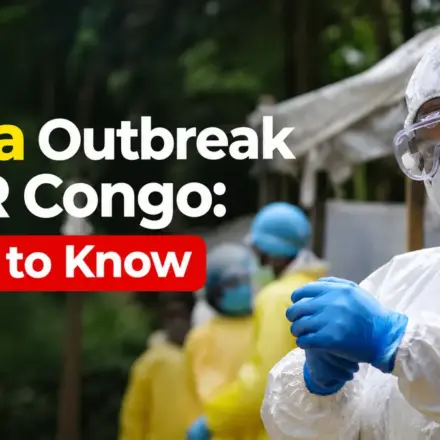
Since May 15, 2026, the Democratic Republic of the Congo (DRC) has been confronting the largest Ebola outbreak in its history—and the second-largest ever recorded globally—with more than 11,100 confirmed cases and 5,400 deaths reported across eight provinces. Unlike the 2014–2016 West African epidemic or the 2018–2020 eastern DRC outbreak, which were driven by the Zaire species of the virus, the 2026 emergency is caused by the Bundibugyo virus (Orthoebolavirus bundibugyoense). What many people misunderstand when seeing headlines about surging case counts is twofold: first, the standard FDA-approved Ebola vaccine (Ervebo) was designed specifically for the Zaire species and is not licensed for routine use against the Bundibugyo strain; second, Ebola does not spread through the air like influenza or COVID-19, and the risk to the general public in the United States remains very low.

The CDC situation summary on the 2026 Ebola outbreak confirms that no cases have been reported in the United States, where the risk of domestic spread remains very low. In the DRC, however, the Bundibugyo virus has caused 11,114 confirmed cases and 5,433 deaths across eight provinces as of November 10, 2026, with a case fatality rate of roughly 48.7% to 48.9%. Because there are no licensed vaccines or targeted antiviral drugs specifically approved for the Bundibugyo species, outbreak control relies on rapid isolation, intensive supportive medical care, contact tracing, and US border screening for travelers returning from affected regions.
What the Latest Outbreak Data Shows (and Its Limits)
On May 15, 2026, health ministries in the DRC and neighboring Uganda declared outbreaks of Bundibugyo virus disease (BVD), marking the 17th Ebola outbreak in the DRC’s history. On May 17, 2026, the World Health Organization (WHO) declared the event a Public Health Emergency of International Concern (PHEIC). Early findings published on June 11, 2026, in the CDC Morbidity and Mortality Weekly Report (MMWR) (Zomahoun et al.) analyzed the initial human cases in the DRC and Uganda (378 confirmed cases and 63 deaths as of June 2) and reported that genomic sequencing pointed to a new zoonotic spillover event from an unknown animal reservoir into the human population, rather than a flare-up of a past epidemic.
Since May, transmission has expanded far faster than previous outbreaks in central Africa, surpassing 1,000 confirmed cases within 40 days of response activation (compared with roughly 235 days during the 2018 DRC outbreak). Surveillance reports from the WHO Disease Outbreak News and the European Centre for Disease Prevention and Control (ECDC) multi-country tracker document the scope of human cases across the region:
- Democratic Republic of the Congo: As of November 3, 2026, WHO documented 10,668 confirmed cases, 5,198 deaths, and 2,881 recoveries across 67 health zones in eight provinces (Ituri, Nord-Kivu, Sud-Kivu, Tshopo, Haut-Uélé, Bas-Uélé, Sud-Ubangi, and Nord-Ubangi), reflecting a crude case fatality rate of 48.7% (with DRC health authorities reporting 11,114 confirmed cases and 5,433 deaths by November 10, at roughly 400 to 500 new cases per week).
- Uganda: Reported 21 confirmed and probable cases and 3 deaths; after the last patient was discharged and the mandatory 42-day monitoring countdown concluded without new infections, Uganda’s outbreak was declared over.
- Kenya: Following an imported case on October 5, 2026, in a traveler from the DRC, nine confirmed cases and two deaths were recorded in Nairobi among close family and healthcare contacts who were already in quarantine; seven patients recovered, all contacts completed their 21-day quarantine by November 11, and no wider community spread occurred.
- Nigeria: One confirmed case was reported in October 2026 in a traveler returning from Uganda, who was subsequently medically evacuated to Switzerland for care, with 62 contacts placed under monitoring.
Limitations of the data and who these findings apply to: Active epidemiological surveillance in eastern DRC—particularly in Ituri and North Kivu—faces major reporting delays and gaps because armed conflict and population displacement frequently interrupt laboratory testing, contact tracing, and clinic operations. As a result, official confirmed counts likely underestimate total community infections and deaths. Furthermore, the high transmission risk described in WHO alerts applies specifically to communities living in or traveling through active transmission zones in central and eastern Africa and to healthcare workers or caregivers handling infectious body fluids without personal protective equipment (PPE)—not to the general public outside these regions.
Why the Bundibugyo Virus Strain Is Different: A Commonly Confused Distinction
A common point of confusion in public coverage is treating “Ebola” as a single uniform virus with an off-the-shelf vaccine ready for every outbreak. In medical taxonomy, Ebola disease is caused by the genus Orthoebolavirus, which includes four distinct viral species known to cause illness in humans. Because these species differ in the structure of their surface glycoproteins, medical countermeasures built for one species do not automatically work against another.
| Feature | Bundibugyo Virus (Orthoebolavirus bundibugyoense) | Ebola Virus / Zaire Strain (Orthoebolavirus zairense) | Sudan Virus (Orthoebolavirus sudanense) |
| Role in the 2026 DRC Outbreak | Primary cause of the ongoing 2026 epidemic in the DRC and linked regional cases | Not the cause of the 2026 DRC outbreak (caused the 2014–2016 West Africa and 2018–2020 DRC epidemics) | Not the cause of the 2026 DRC outbreak (caused the 2022 Uganda outbreak) |
| Historical Case Fatality Rate | Roughly 30% to 50% (approximately 48.7%–48.9% in the 2026 outbreak) | Up to 80% to 90% when untreated | Roughly 50% in past outbreaks |
| FDA- or WHO-Licensed Vaccine | None approved; candidate vaccines are in emergency Phase 2/3 clinical trials | Yes (Ervebo, prequalified by WHO in 2019 and FDA-approved for adults 18+) | None approved (investigational candidates only) |
| Approved Monoclonal Antibody Drugs | None approved; care relies on optimized intensive supportive treatment and clinical trials | Yes (such as Inmazeb and Ebanga, specific to Zaire species) | None approved |
What the Evidence Shows About Vaccines and Treatments for Bundibugyo
Because Ervebo (rVSV-EBOV-GP) is licensed and stockpiled for Zaire Ebola virus, health authorities urgently examined whether it could offer cross-protection against the Bundibugyo virus. In its August 31, 2026, WHO emergency guidance on the use of licensed Ebola vaccine during Bundibugyo outbreaks, the WHO Strategic Advisory Group of Experts (SAGE) on Immunization concluded that existing evidence is insufficient to support routine programmatic vaccination with Ervebo against Bundibugyo virus disease.
SAGE based this recommendation on small preclinical animal studies (in nonhuman primates and ferrets) and limited early field observations. In one animal challenge study cited by WHO, 3 out of 4 animals given Ervebo alone survived with milder illness compared with 2 out of 7 controls, yet in a combined vaccine group only 2 out of 8 animals survived despite generating the highest binding antibody levels—demonstrating that antibody levels did not reliably predict survival. In early human field data reviewed by WHO, 3 out of 11 confirmed BVD patients had previously received vaccination. Consequently, WHO advises that Ervebo may only be used against Bundibugyo within a formal clinical research protocol, while new Bundibugyo-specific vaccine candidates backed by WHO and CEPI have entered pivotal Phase 2/3 human clinical trials in the DRC.
Even without a strain-specific antiviral or licensed vaccine, clinical evidence shows that optimized supportive care substantially lowers mortality. Standard hospital treatment includes:
- Oral or intravenous (IV) fluids and electrolytes (sodium, potassium, calcium) to counter severe dehydration from vomiting and diarrhea
- Medications to support blood pressure, reduce gastrointestinal fluid loss, and control fever and pain
- Oxygen therapy and prompt treatment for secondary bacterial or parasitic infections, such as malaria
How Ebola Spreads—and Why Early Symptoms Overlap With Common Illnesses
As outlined in the CDC overview of Ebola disease basics and transmission, orthoebolaviruses do not spread through casual proximity, air, water, or food in general commerce. A person can only contract the virus through direct contact (via broken skin or mucous membranes of the eyes, nose, or mouth) with:
- Blood or body fluids—including vomit, feces, urine, saliva, sweat, breast milk, amniotic fluid, and semen—of a person who is actively sick with or has died from Ebola disease
- Objects or surfaces (such as needles, bedding, or clothing) contaminated with infectious body fluids
- Infected wild animals (such as fruit bats, forest antelopes, or nonhuman primates) or their raw meat
Crucially, people with Ebola are not contagious during the 2-to-21-day incubation period before symptoms start. Infectiousness begins only after symptom onset and rises sharply in the later stages of illness as viral levels climb in bodily fluids.
Early “Dry” Symptoms vs. Later “Wet” Symptoms
According to the CDC clinical guide to Ebola signs and symptoms, symptoms typically begin 8 to 10 days after exposure (ranging from 2 to 21 days) and progress in two stages:
- Early (“dry”) symptoms (Days 1 to 3): Sudden fever, severe headache, muscle and joint aches, profound weakness and fatigue, sore throat, and loss of appetite.
- Later (“wet”) symptoms (Day 4 onward): Severe watery diarrhea, nausea, vomiting, and abdominal pain, sometimes accompanied by red eyes, skin rash, hiccups, confusion, chest pain, and unexplained bruising or internal and external bleeding (such as bleeding from the gums or blood in the stool).
Why symptoms alone cannot diagnose Ebola: Because early “dry” symptoms look identical to common illnesses—including malaria, influenza, typhoid fever, travelers’ diarrhea, and meningitis—having a fever or body aches after travel does not mean you have Ebola. However, any fever or viral illness within 21 days of visiting an outbreak region requires immediate medical evaluation to test for malaria and other treatable infections while ruling out viral hemorrhagic fevers.
What Most Articles Leave Out: US Travel Restrictions and Long-Term Recovery Cautions
News reports often state that “the risk to the US is low” without explaining the concrete border protocols keeping that risk low, or the medical precautions required for travelers and survivors.
1. Mandatory 21-Day US Entry Waiting Period and Airport Screening
Under federal public health orders summarized in the CDC guidance for travelers returning from Ebola-affected areas, strict entry rules apply to anyone who has recently been in the region:
- Travel from the DRC: Travelers who have been present in the DRC within the past 21 days—even if their airplane only landed at a DRC airport without passengers disembarking—are not permitted to board a flight to the United States until at least 21 days after leaving the DRC (becoming eligible to fly to the US on Day 22).
- Travel from Uganda or South Sudan: US citizens and nationals who were in Uganda or South Sudan (and not in the DRC) within the previous 21 days have their flights routed to designated US airports for mandatory CDC public health entry screening, temperature checks, and 21-day automated symptom monitoring.
2. Medication and Recovery Cautions
- Pain and fever relievers: People being evaluated for or recovering from a suspected viral hemorrhagic fever should never take aspirin, ibuprofen, naproxen, or other nonsteroidal anti-inflammatory drugs (NSAIDs) without explicit physician supervision, as these medications interfere with blood platelets and can worsen bleeding and kidney stress.
- Kidney, liver, and pregnancy risks: Severe fluid loss and viral damage frequently impair kidney and liver function, requiring careful hospital monitoring of electrolyte levels and medication dosing. In pregnant patients, Ebola carries a high risk of pregnancy loss and severe maternal hemorrhage, requiring specialized obstetric intensive care.
- Viral persistence in body fluids: Even after a patient recovers and the virus clears from the bloodstream, orthoebolaviruses can persist in immunologically privileged sites—including the testicles (semen), the inside of the eye, the central nervous system, and breast milk. Male survivors are advised to abstain from sex or use condoms consistently until semen has tested negative for the virus on schedule. Survivors may also experience post-Ebola syndrome—including joint pain, chronic fatigue, and vision-threatening eye inflammation (uveitis)—which requires specialized follow-up care.
Decision Checklist for Travelers and Humanitarian Workers
If you are planning essential travel to central or eastern Africa, or have returned from the DRC, Uganda, Kenya, Nigeria, or South Sudan within the past three weeks, follow this step-by-step protocol:
- Before departure: Check current CDC Travel Health Notices and US Department of Transportation flight rules. Understand that visiting or transiting through a DRC airport requires remaining outside the United States for 21 full days after leaving the DRC before boarding a US-bound flight.
- During travel in affected areas: Practice strict hand hygiene with soap and water or alcohol-based hand rub; avoid contact with blood or body fluids of anyone who is sick; do not touch the bodies of people who have died or participate in funeral rituals involving contact with the deceased; avoid handling or eating wild game (“bushmeat”); and avoid non-essential visits to healthcare facilities treating Ebola patients.
- For 21 days after leaving an affected area: Take your temperature every day and monitor yourself for fever ($100.4^\circ\text{F} / 38^\circ\text{C}$ or higher), severe headache, muscle aches, weakness, sore throat, vomiting, or diarrhea. Respond to all automated text check-ins from the CDC or your state health department.
- If you develop a fever or any symptoms within 21 days of exposure or travel:
- Isolate immediately: Stay in a separate room away from family members or housemates and do not share a bathroom if possible.
- Call before visiting a clinic or emergency room: Call your local or state health department or the hospital ahead of time and state your exact travel dates, countries visited, and symptoms. Calling ahead allows the medical team to prepare an isolation room, put on personal protective equipment, and arrange safe transport without exposing people in a waiting room.
- Do not board public transit or flights while sick: Wait for instructions from public health officials.
Emergency warning signs: Seek immediate emergency medical coordination (calling 911 and informing the dispatcher of your recent travel history so paramedics can wear protective gear) if you or someone with recent travel to an outbreak zone develops persistent vomiting or diarrhea, dizziness or fainting when standing, confusion or lethargy, difficulty breathing, or unexplained bleeding or bruising.
Frequently Asked Questions
Can Ebola spread through the air on an airplane or in public spaces?
No, there is no evidence that Bundibugyo virus or any other human orthoebolavirus spreads through the air like flu, measles, or COVID-19. According to the CDC guide on how Ebola spreads, transmission requires direct contact with the blood or body fluids of a person who is already showing symptoms, or with items directly contaminated by those fluids. Moreover, people who have been exposed do not transmit the virus to others during the incubation period before symptoms appear.
Why has the 2026 DRC Ebola outbreak grown larger than the 2018 outbreak?
Public health officials point to three converging factors. First, the outbreak is caused by the Bundibugyo virus rather than the Zaire virus, meaning responders could not immediately deploy the stockpiled Ervebo ring-vaccination strategy that helped contain the 2018–2020 DRC epidemic. Second, early cases occurred in commercial and migratory hubs in Ituri province before being recognized. Third, ongoing armed attacks on towns and health clinics in North Kivu, South Kivu, and Ituri have repeatedly forced patients and tracked contacts to flee, disrupting isolation and contact tracing.
Does the FDA-approved Ebola vaccine protect against the Bundibugyo strain?
No, the FDA-approved vaccine Ervebo is licensed only for protection against Orthoebolavirus zairense (the Zaire species). As explained in the August 2026 WHO interim guidance on Ebola vaccines
, scientists do not yet know whether Ervebo provides meaningful clinical protection against the Bundibugyo species in humans, so it is restricted to research protocols while new Bundibugyo-specific vaccines are tested in clinical trials.
Why is there a 21-day waiting rule for travelers leaving the DRC?
Twenty-one days is the maximum known incubation period for Ebola—the time between when a person is exposed to the virus and when the first symptoms can appear. As detailed in the CDC returning traveler requirements, requiring travelers from the DRC to wait 21 days outside the United States before boarding a US-bound flight ensures that anyone who might have been unknowingly exposed has passed the full incubation window before entering the country.
Can someone survive Bundibugyo Ebola without a specific antiviral drug?
Yes, roughly half of patients in the current outbreak and between 50% and 70% of patients in past Bundibugyo outbreaks have survived. When patients reach an Ebola treatment center early and receive intensive supportive care—especially intravenous fluids, electrolyte balancing, blood pressure support, and treatment for co-infections like malaria—their chances of survival improve significantly.