Studies Link Parental Refusal of Vitamin K Shots to Increased Infant Bleeding
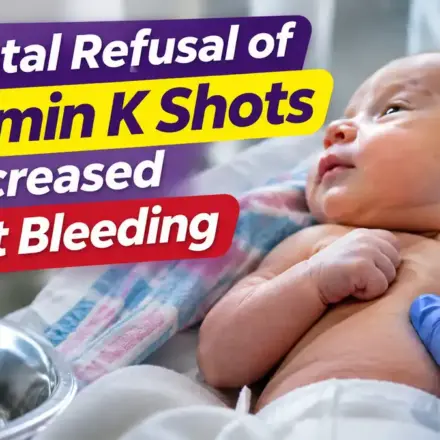
A nationwide study published in JAMA revealed that infant bleeding rates have risen significantly across the United States as more families decline the routine newborn vitamin K injection. Researchers found that newborns who did not receive the shot faced a 47% higher risk of bleeding complications within their first six months of life compared to babies who received the injection. Furthermore, their risk of intracranial hemorrhage—bleeding inside the skull—more than doubled.
For decades, the newborn vitamin K injection was considered a non-controversial standard of delivery room care. Today, rising numbers of expectant parents are opting out, frequently driven by online claims that the injection is unnatural, unnecessary for healthy births, or hazardous.
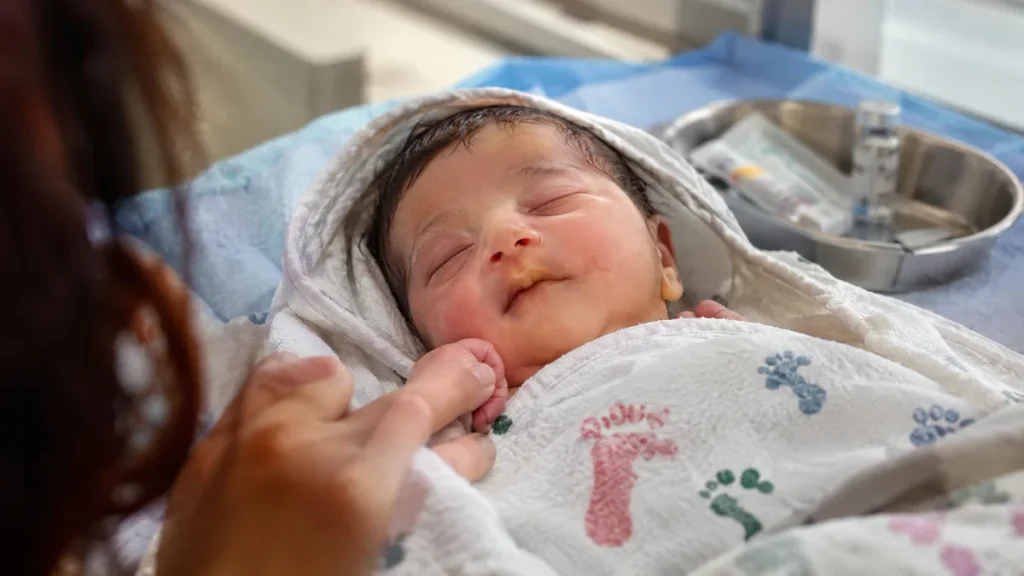
Understanding the biology behind neonatal vitamin K deficiency, why healthy infants cannot clot blood normally on their own, and what latest pediatric data shows is vital for expectant families making postpartum care plans.
Essential Points for Expectant Parents
- The Clinical Findings: A large-scale analysis in JAMA found non-recipients of the newborn vitamin K shot had a 47% higher rate of bleeding by 6 months, alongside an alarming spike in life-threatening brain hemorrhages.
- The Root Cause: Human infants naturally enter the world with low vitamin K reserves, a sterile gut that cannot produce it, and poor placental transfer. This is universal to all babies, regardless of birth type or maternal nutrition.
- The Core Danger: Known clinically as Vitamin K Deficiency Bleeding (VKDB), the condition frequently presents with zero early warning signs until internal bleeding occurs in the intestines or brain.
- The Solution: A single intramuscular injection given shortly after birth provides sustained, gradual release to protect infants until they start eating solid food and synthesizing their own supply.
Why Newborns Are Born Without Enough Vitamin K
Many expectant parents understandably ask: If a pregnancy is smooth and labor is unmedicated, why would a baby lack an essential nutrient at birth?
In adult medicine, vitamin K is abundant. Healthy adults acquire vitamin K1 (phylloquinone) through leafy green vegetables and rely on friendly gut bacteria in the colon to synthesize vitamin K2 (menaquinone). These forms travel directly to the liver, where they activate vital clotting factors—specifically Factors II, VII, IX, and X—that stop bleeding when tissues are injured.
In newborns, however, human biology functions under very different rules:
- Poor Placental Transfer: Vitamin K molecules are large and fat-soluble, making it difficult for maternal supplies to cross the placenta in substantial amounts during pregnancy.
- A Sterile Infant Gut: Babies are born with sterile gastrointestinal tracts. The gut microflora required to naturally synthesize vitamin K takes months to establish.
- Low Concentrations in Breast Milk: While breast milk is the gold standard for newborn nutrition, it naturally contains very low concentrations of vitamin K. Even mothers who consume large amounts of dark greens cannot transfer adequate levels through nursing to prevent a clotting deficit.
- Immature Liver Function: A newborn’s liver is still adapting to life outside the womb and takes time to efficiently recycle and store the small amounts of vitamin K present.
This means every baby, regardless of maternal health or how clean their delivery was, is physiologically deficient at birth. For parents preparing holistic nursery and maternal wellness plans, our guide on nutritional foundations for postpartum recovery and maternal health outlines how maternal diet supports overall recovery while illustrating where clinical supplementation remains necessary.
What the Latest Pediatric Data Shows
The American Academy of Pediatrics (AAP) has recommended a universal 0.5 to 1.0 milligram intramuscular injection of vitamin K1 within hours of delivery since 1961. For over half a century, that single intervention nearly eradicated what was once called hemorrhagic disease of the newborn in developed nations.
Recent epidemiological surveys, however, document a troubling shift:
- Research evaluating millions of hospital records noted that newborn vitamin K refusal rose from roughly 3% in 2017 to almost 7% in recent years. In some community birthing centers and out-of-hospital delivery settings, refusal rates have reached over 30%.
- According to the Centers for Disease Control and Prevention (CDC), infants who do not receive the shot are 81 times more likely to develop late-onset vitamin K deficiency bleeding than infants who receive prophylaxis.
- In the multicenter JAMA cohort study, roughly 1 in every 114 infants whose parents skipped the injection suffered an avoidable bleeding complication by 6 months of age.
When reviewing family wellness choices, separating evidence-based pediatric protocols from social media trends is critical. You can explore our foundational perspective on evaluating family wellness choices and medical evidence to help discern credible clinical advice.
The Three Windows of Vitamin K Deficiency Bleeding (VKDB)
VKDB does not happen on a single timeline. Pediatricians classify the condition into three distinct clinical windows:
| Classification | Timing | Primary Causes & Typical Manifestations |
| Early VKDB | Within the first 24 hours of birth | Seen almost exclusively in infants whose mothers took medications that actively block vitamin K metabolism (such as certain anti-seizure medications, cephalosporins, or blood thinners). Can cause severe cephalhematoma or internal abdominal bleeding. |
| Classical VKDB | Days 2 through 7 of life | Characterized by prolonged bleeding around the umbilical stump, oozing from circumcision sites, persistent nosebleeds, or sudden bruises across the skin and palate. |
| Late VKDB | Weeks 2 through 6 months (peaks at 2–8 weeks) | The most dangerous presentation. Occurs primarily in exclusively breastfed infants who never received the birth injection. Between 30% and 60% of late VKDB cases present as sudden bleeding inside the brain (intracranial hemorrhage). |
Late VKDB is particularly heartbreaking because it typically strikes seemingly healthy, thriving babies at home with no prior birth trauma. Many infants show no minor warning bruises before a major cranial hemorrhage begins.
Families managing infant health should also keep up with standard growth checks and preventive physicals. Learn more in our overview on preventive pediatric screenings and infant wellness milestones.
Common Myths vs. Pediatric Facts
When parents discuss why they are considering declining the vitamin K injection, several recurring points of misinformation surface. Examining what medical research actually demonstrates brings clarity.
Myth 1: “The shot causes childhood leukemia.”
This claim originated from a single, flawed British study published in 1990 that suggested a weak association between the injection and childhood cancers. In the three decades since, multiple massive, rigorous epidemiological studies across the United States, Sweden, the UK, and Denmark evaluated millions of children and found zero causal link between vitamin K administration and leukemia or other childhood cancers. The original finding has been thoroughly debunked.
Myth 2: “Oral drops are just as safe and effective as the shot.”
Some parents seek out oral vitamin K drops to avoid an intramuscular needle poke. While oral regimens are prescribed in certain European nations, they carry severe operational caveats:
- In the United States, there is currently no FDA-approved oral vitamin K formulation manufactured for newborn prophylaxis.
- Unregulated over-the-counter dietary supplements purchased online do not guarantee consistent bio-absorption or sterile manufacturing standards.
- Multiple oral doses must be strictly administered on exact weekly schedules over months. Even when administered perfectly, oral vitamin K is far less efficiently absorbed through an infant’s digestive tract, leaving infants with significantly higher rates of late-onset brain bleeds compared to the standard single injection.
Myth 3: “Gentle birthing or delayed cord clamping eliminates the need.”
Delayed cord clamping offers proven benefits, such as boosting neonatal iron stores and supporting red blood cell volume. However, because maternal blood contains minimal vitamin K and placenta transfer is intrinsically limited, allowing extra placental blood to flow does not transfer enough clotting factors to prevent VKDB. Unmedicated, water, and home births carry the exact same biological deficiency risks as hospital deliveries.
To understand how daily nutrition and lifestyle factors interact with long-term cardiovascular and blood health, check out our guide on everyday dietary habits that support cardiovascular and vascular function.
Warning Signs That Require Immediate Emergency Care
If a newborn or young infant did not receive vitamin K at birth, parents and caregivers must maintain extreme vigilance.
Seek emergency medical attention at a children’s hospital or call 911 immediately if you notice any of the following:
- Unexplained bruising, particularly around the face, scalp, or chest
- Oozing or bleeding from the umbilical cord site or circumcision wound that does not stop
- Skin that appears unusually pale, or gums that lose their pink hue
- Yellowing of the whites of the eyes (jaundice) persisting after the third week of life
- Stools that appear black, dark and tarry, or contain visible streaks of blood
- Coffee-ground or bloody vomit
- Neurological warning signs of intracranial pressure: sudden lethargy, refusal to wake for feedings, high-pitched inconsolable crying, bulging of the soft spot (fontanelle), or twitching/seizures
If you ever feel uncertain about an acute change in your baby’s disposition, reading our practical primer on recognizing critical infant symptoms and when to seek urgent pediatric evaluation can help you make swift, confident decisions.
Practical Takeaway: How to Approach the Decision
Declining a newborn health measure is rarely done with reckless intent; rather, it often stems from loving parents wanting to protect their child from pain or unfamiliar chemicals.
However, the physical discomfort of an intramuscular injection lasts only a few seconds and can be mitigated immediately by practicing skin-to-skin contact, nursing right through the injection, or swaddling. In contrast, the medical consequences of late-onset internal bleeding can lead to permanent motor disability, lifelong neurological deficits, or death.
Expectant parents should discuss newborn prophylaxis with their obstetrician, midwife, and future pediatrician during the second or third trimester. The American College of Obstetricians and Gynecologists (ACOG) and the National Institutes of Health (NIH) emphasize that clear, unhurried prenatal conversations help ensure birthing plans are rooted in proven safety, protecting the baby’s vulnerable first months of life.
Maintaining emotional balance during birth preparation is just as essential for expectant couples. For helpful techniques on working through parental worry, review our resources on managing parental anxiety and building mental resilience.
Frequently Asked Questions
Can the vitamin K shot be delayed so parents can have immediate skin-to-skin bonding?
Yes. The CDC and pediatric hospital protocols support delaying routine medications, including the vitamin K shot and erythromycin eye ointment, for up to 6 hours after birth. This window allows families to prioritize uninterrupted skin-to-skin contact, bonding, and initial breastfeeding during the golden hour right after delivery.
Does the vitamin K injection contain toxic preservatives?
Standard neonatal vitamin K1 formulations in the United States contain phytonadione suspended in a sterile buffered water base. Pediatric vials used for newborns are single-dose and preservative-free, eliminating exposure to compounds like benzyl alcohol. Parents can ask their birth team to confirm the administration of a single-dose, preservative-free preparation beforehand.
If a mother consumes extra vitamin K during pregnancy, can she skip the shot?
No. Maternal supplementation with foods or prenatal vitamins rich in vitamin K does not cross the placental barrier in amounts sufficient to build safe neonatal clotting levels. While maintaining optimal maternal micronutrient intake is beneficial for pregnancy wellness, it does not bypass an infant’s biological clotting deficit at delivery.
Why don’t older children or adults need periodic vitamin K shots?
As babies grow, their gastrointestinal system matures. Once an infant begins solid foods and colonizes healthy gut bacteria, their body continuously absorbs and produces its own vitamin K naturally. The injection serves as an essential bridge during the newborn and early infant phase when the body cannot manufacture or store adequate amounts on its own. For more insights into digestive wellness and microbiome development, read our guide on how gut flora and microbiome balance influence lifelong physical health.