Shigellosis Cases Surge in New Mexico: Bernalillo County Reports Rise in Infections
Health officials in New Mexico have reported an ongoing cluster of shigellosis in Bernalillo County, prompting renewed public health advisories around Albuquerque. While headlines focus on rising case counts, the more practical concern for local residents is how easily Shigella bacteria spread—often requiring only a microscopic amount of bacteria to cause illness—and why standard home remedies for stomach bugs can sometimes make symptoms worse.
New Mexico health officials have confirmed more than 100 cases of shigellosis in Bernalillo County, a contagious bacterial intestinal infection that causes diarrhea, stomach cramps, and fever. Most healthy adults recover within a week with fluids and rest, though severe cases may require prescription antibiotics. Avoid over-the-counter anti-diarrheal drugs if you have bloody diarrhea or a fever, and wash hands thoroughly with soap and water rather than relying solely on hand sanitizer.
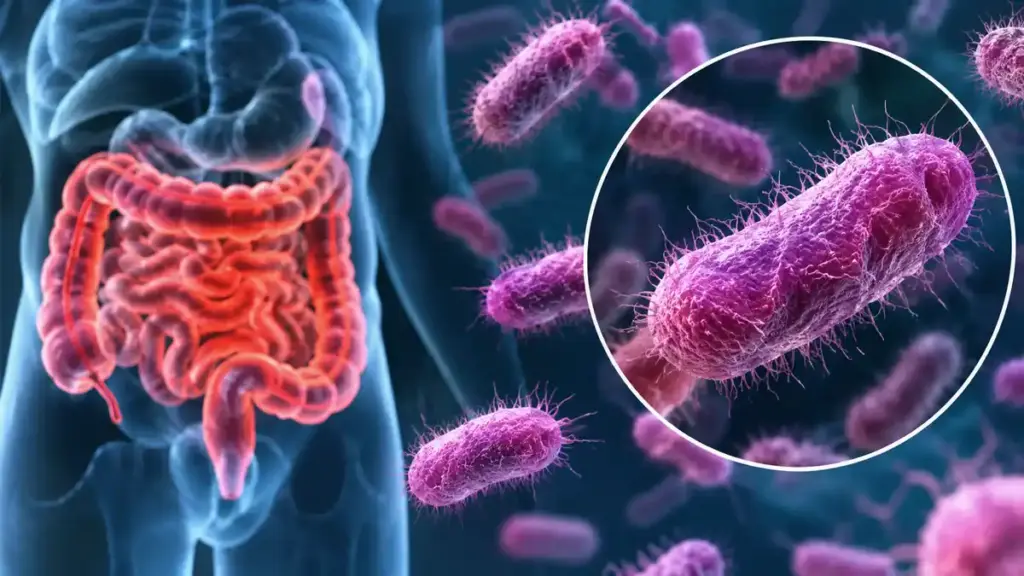
What Is Happening in Bernalillo County?
According to public health reporting from the New Mexico Department of Health (NMDOH), Bernalillo County has recorded 102 confirmed cases of shigellosis in the current outbreak window, with nearly half (46 cases) occurring among residents experiencing homelessness. State epidemiologists note that confirmed counts likely underestimate true community spread, because many people with mild gastrointestinal symptoms do not seek medical care or receive stool testing.
Unlike a previous multi-year Bernalillo County outbreak between 2021 and 2025 that involved more than 300 cases and an MDR
strain, state health officials report they have not yet detected signs of antibiotic resistance in the current cluster. Health agencies, including Albuquerque Healthcare for the Homeless, are focusing on rapid diagnosis, targeted antibiotic access for severe illness, and basic sanitation outreach.
How Shigellosis Spreads (and What Most Coverage Leaves Out)
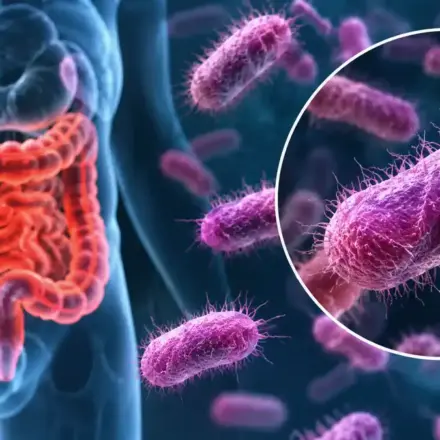
Shigellosis is caused by Shigella bacteria, which live in the intestinal tract of infected people and pass through stool. Transmission happens via the fecal-oral route when tiny, invisible traces of stool enter the mouth.
Public health messaging typically emphasizes washing hands after using the bathroom, but three critical transmission details are frequently overlooked:
- The contagious window outlasts symptoms: People can shed Shigella in their stool while actively sick and for up to four weeks after diarrhea stops, meaning someone who feels completely recovered can still pass the bacteria to household members.
- Alcohol-based hand sanitizers have limits: While alcohol-based gels are useful when sinks are unavailable, the New Mexico Department of Health shigellosis fact sheet specifies that sanitizing gel should only be substituted when hands are not visibly soiled. Scrubbing with soap and running water physically removes bacteria and organic matter far more reliably.
- Sexual transmission is a documented route: Because bacteria can linger on skin around the groin and anus even after bathing, the CDC guide on preventing Shigella among sexually active people advises waiting at least two weeks after diarrhea ends before engaging in sexual activity.
Symptoms: Bacterial Shigellosis vs. Viral “Stomach Flu”
Because diarrhea, cramping, and nausea accompany many gastrointestinal illnesses, it is impossible to diagnose shigellosis from symptoms alone. Viral gastroenteritis (such as norovirus) is far more common, but Shigella tends to produce distinct inflammatory signs in the lower digestive tract.
| Feature | Shigellosis (Bacterial) | Viral Gastroenteritis (“Stomach Flu”) |
| Typical onset after exposure | 1 to 2 days (occasionally up to 3 days) | 12 to 48 hours |
| Primary symptoms | Watery or bloody diarrhea, fever, stomach cramps, and tenesmus | Watery diarrhea, nausea, frequent vomiting, low-grade fever, body aches |
| Stool characteristics | Often small-volume, frequent, and may contain blood or mucus | Typically watery without blood or mucus |
| Usual duration | 5 to 7 days (bowel habits can take longer to normalize) | 1 to 3 days |
| Role of antibiotics | Used selectively for severe illness, high-risk patients, or outbreak control | Ineffective against viruses |
If you develop gastrointestinal symptoms during a local outbreak, a healthcare provider can confirm the cause using a stool specimen tested via culture or rapid diagnostic panels.
Common Mistakes That Can Worsen Recovery
When sudden diarrhea strikes, reaching into the medicine cabinet is a natural impulse. With Shigella, however, certain self-care habits can prolong illness or trigger complications:
- Taking anti-diarrheal medications: According to the CDC shigellosis treatment guidelines, people with bloody diarrhea or fever should avoid anti-motility drugs such as loperamide (Imodium) or diphenoxylate/atropine (Lomotil). Slowing down gut movement keeps the bacteria and their toxins in contact with the intestinal lining longer, which can worsen symptoms.
- Requesting antibiotics for mild cases: Most healthy people clear Shigella on their own within a week. Because unnecessary antibiotic use drives drug resistance—a growing nationwide issue in Shigella strains—clinicians often reserve antibiotics like azithromycin or ciprofloxacin for severe cases, immunocompromised individuals, or specific public health settings.
- Returning to high-contact settings too soon: Sending a child back to daycare or returning to food-service work as soon as cramps ease puts others at risk. Under New Mexico Department of Health communicable disease rules, children with diarrhea should stay home from school or childcare, and food handlers must be excluded from work until cleared—often requiring two negative stool cultures.
Practical Prevention Checklist for Households
If you live in or travel through Bernalillo County, simple hygiene barriers significantly reduce household transmission:
- Wash hands for at least 20 seconds with soap and water after using the bathroom, changing diapers, assisting someone who is sick, and before preparing or eating food.
- Disinfect bathroom and kitchen surfaces using a household chlorine bleach-based cleaner or an EPA-registered disinfectant, especially if someone in the home has diarrhea.
- Handle soiled laundry carefully by washing contaminated clothing and bed linens promptly in hot water and drying them on high heat.
- Avoid swallowing recreational water in pools, splash pads, or lakes, and refrain from swimming if you have active diarrhea.
When to Seek Urgent Medical Care
While dehydration is the most frequent complication of any diarrheal illness, Shigella can occasionally cause bloodstream infections, reactive arthritis, or—in rare cases involving toxin-producing strains—kidney complications such as HUS.
Contact a healthcare provider promptly if you or a family member develops:
- Diarrhea that is bloody or lasts longer than 3 days
- A high fever or severe abdominal pain and tenderness
- Signs of dehydration, including little or no urination, dark urine, extreme thirst, dry mouth, or dizziness when standing
- Symptoms in an infant, an older adult, or someone with a weakened immune system (such as from cancer treatment, HIV, or immunosuppressive drugs)
Frequently Asked Questions
Can you get shigellosis more than once? Yes. Because there are four distinct species of Shigella (S. sonnei, S. flexneri, S. boydii, and S. dysenteriae) and multiple strains within them, recovering from one infection does not protect you against future infections from different strains. Consistent handwashing remains necessary even if you have had shigellosis before.
Is there a vaccine to prevent Shigella infection? No. According to the CDC overview of Shigella and New Mexico health officials, there is currently no approved vaccine for shigellosis. Prevention relies entirely on hand hygiene, safe food and water practices, surface disinfection, and avoiding close contact while contagious.
How do doctors test for shigellosis?Clinicians collect a stool sample and send it to a laboratory for either a bacterial culture or a culture-independent diagnostic test (CIDT). As outlined in the CDC clinical overview for healthcare providers, positive rapid tests are typically followed by a stool culture so laboratories can test which antibiotics will work best if medication is needed.
Is New Mexico’s tap water safe to drink during this outbreak? New Mexico health officials have linked the Bernalillo County cluster primarily to person-to-person contact, contaminated surfaces, and shared living environments rather than municipal tap water failure. Municipal water systems undergo routine treatment, though anyone using private wells or untreated surface water should follow standard water-safety testing guidelines.
How long should I stay home from work or school if I have shigellosis?Anyone with active diarrhea should stay home from school, childcare, and work to prevent spreading the bacteria. Under New Mexico Department of Health guidance, children in daycare and workers who handle food or care for vulnerable patients face stricter exclusion rules and generally need two negative stool test results before returning.