
Losing More Hair Than Usual? 7 Everyday Reasons You Shouldn’t Ignore
Finding a few strands of hair on your pillow or hairbrush is completely normal. But when you start noticing much more hair than usual—clogging the shower drain or coming out every time you run your fingers through it—it is natural to feel worried. Sudden hair loss can be overwhelming, but before you rush to buy expensive oils or treatments, take a closer look at your daily routine. Sometimes, changes in our health, diet, stress levels, or everyday habits can affect how much hair we shed.
1. The Heavy Weight of Daily Stress

We all know that stress can affect our health, and it can also affect the normal hair-growth cycle. Whether it is a tough project at work, financial worries, or the mental exhaustion of managing a household, prolonged stress can sometimes lead to increased hair shedding. What makes it confusing is that the shedding may become noticeable a few months after the stressful period. Taking some time each day to breathe, go for a walk, or simply disconnect from your phone can help you manage stress and take better care of yourself.
2. Recovering from a Recent Fever or Illness
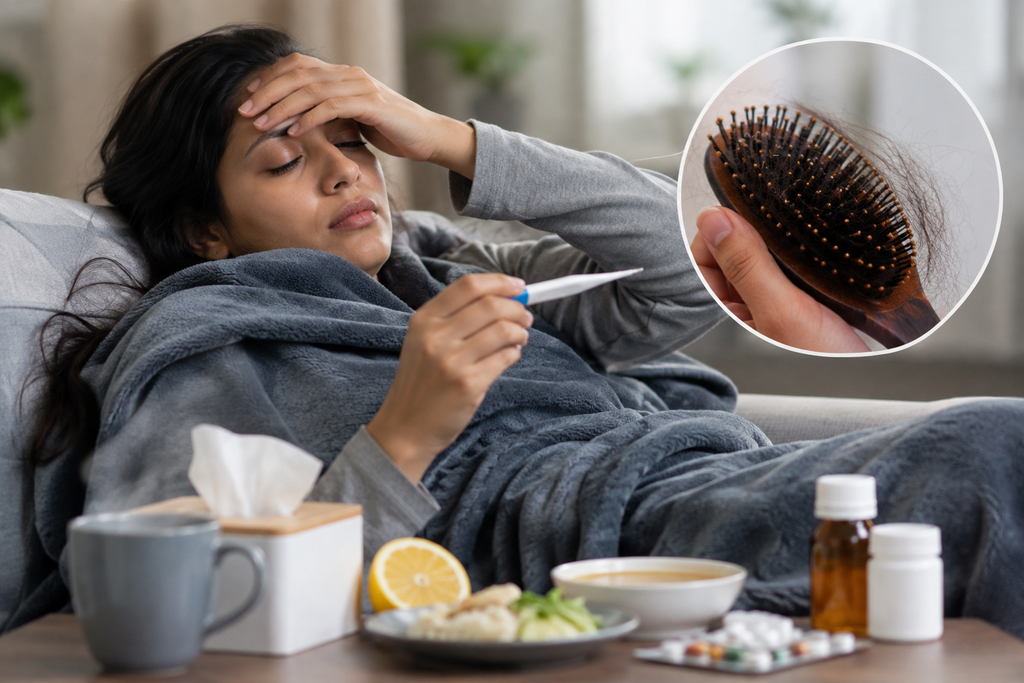
Think back to about two or three months ago. Did you have a high fever, a bad flu, or an infection? After a significant illness, some people notice increased hair shedding several weeks or months later. This can happen because the body has been through physical stress, and the effect on the hair-growth cycle may show up later. So, if you have recently recovered from an illness and are now noticing extra hair fall, the two may be connected. Give your body time to recover, and focus on getting enough rest and eating a balanced diet.
3. The “Hard Water” Shock
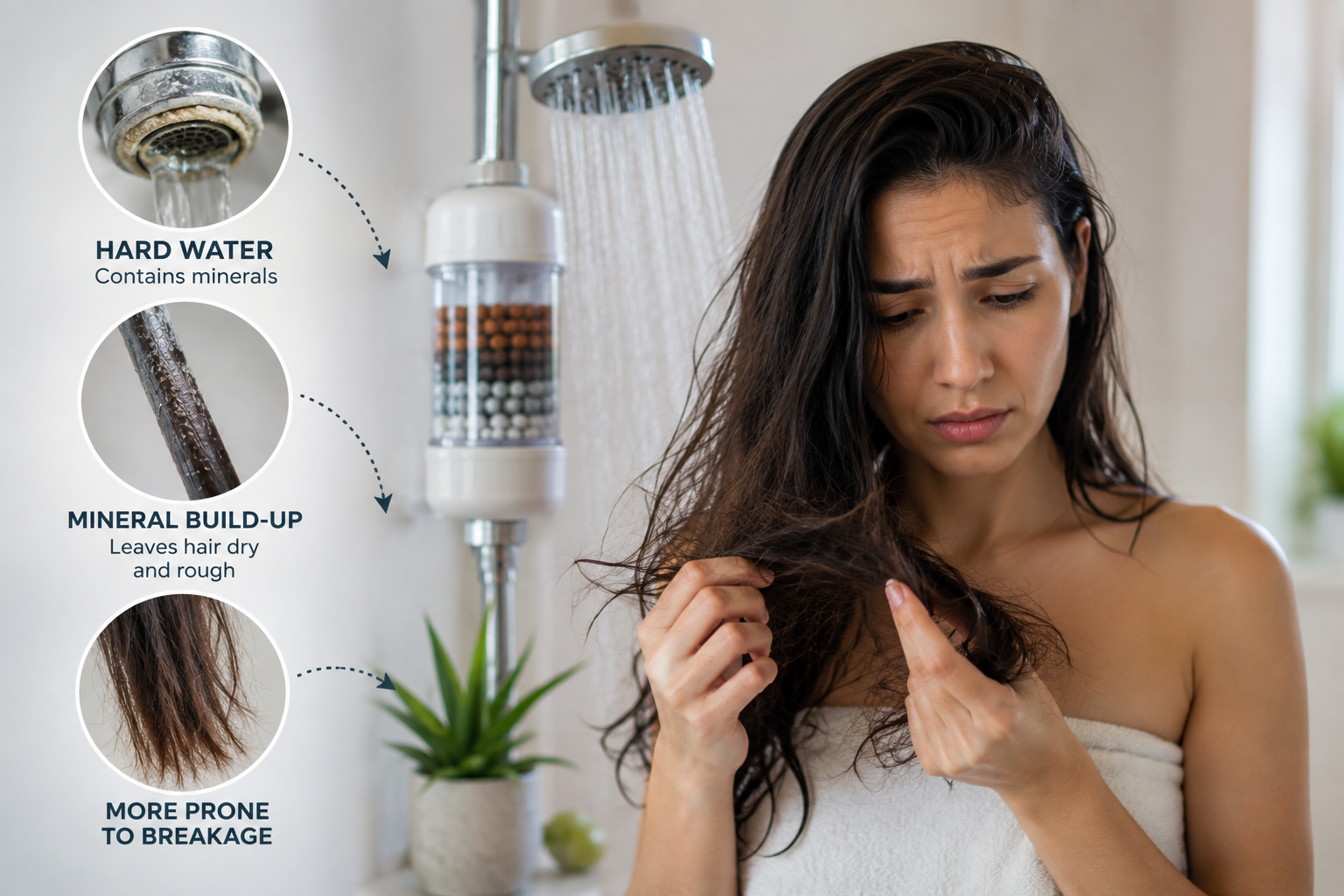
If you have recently moved to a new city, changed your apartment, or noticed a difference in your tap water, it may also affect how your hair feels. Hard water contains minerals that can build up on the hair and leave it feeling dry, rough, or difficult to manage. This can make the hair more prone to breakage, although it does not mean that hard water is always the cause of hair loss from the roots. If you notice a change after moving, a suitable shower filter may help improve the feel and manageability of your hair.
4. Running on Quick, Nutrient-Poor Meals

In our rushed lives, breakfast can sometimes be just a quick cup of tea, while lunch becomes whatever we can grab on the go. Your hair needs adequate protein and other essential nutrients to grow normally. If you have been skipping meals, following a restrictive diet, or relying heavily on packaged food because of a busy schedule, your overall nutrition may be affecting your hair. Try adding simple, balanced foods such as eggs, peanuts, dal, vegetables, or other protein-rich options to your meals. The goal is not to find one “magic” food, but to give your body the nutrition it needs regularly.
5. Sacrificing Sleep for Late-Night Scrolling
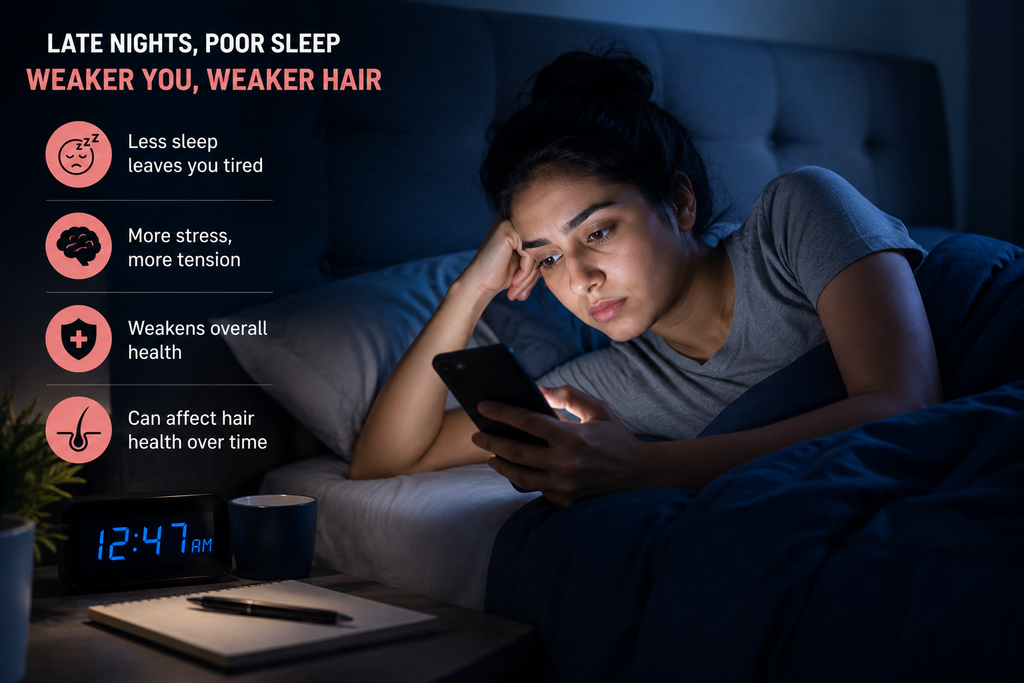
After a long day, it feels great to lie in bed and scroll through social media or watch videos until late at night. But regularly getting too little sleep can affect your overall health and leave you feeling tired and stressed. It would be too simple to say that poor sleep directly causes hair loss, but a poor sleep routine is still worth addressing when you are looking at your overall health and daily habits. Try giving yourself enough time to sleep and keeping a more consistent bedtime instead of regularly sacrificing sleep for another hour of screen time.
6. Tying Your Hair Too Tight Every Day
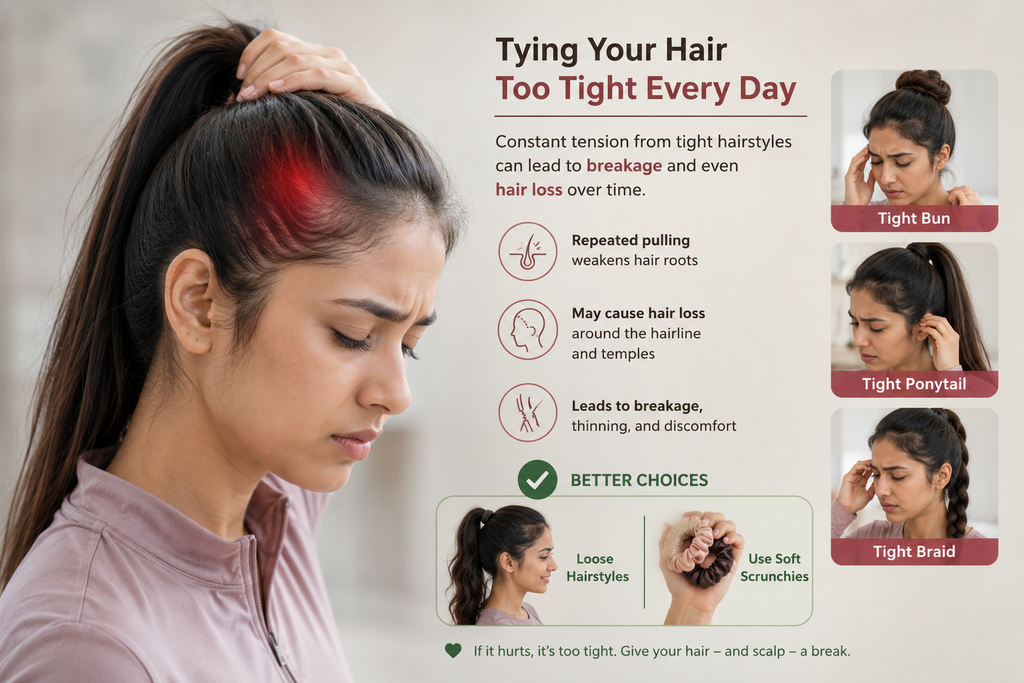
Whether it is a tight ponytail for the gym, a neat bun for the office, or pulling your hair back to manage the heat, wearing very tight hairstyles every day can put repeated tension on your hair and scalp. Over time, this can contribute to breakage and, in some cases, hair loss around areas that are constantly being pulled. Try switching to a looser hairstyle or using soft scrunchies when possible. If a hairstyle regularly feels painful or pulls at your scalp, it is probably too tight.
7. Skipping Hair Washes (Or Washing Too Often)
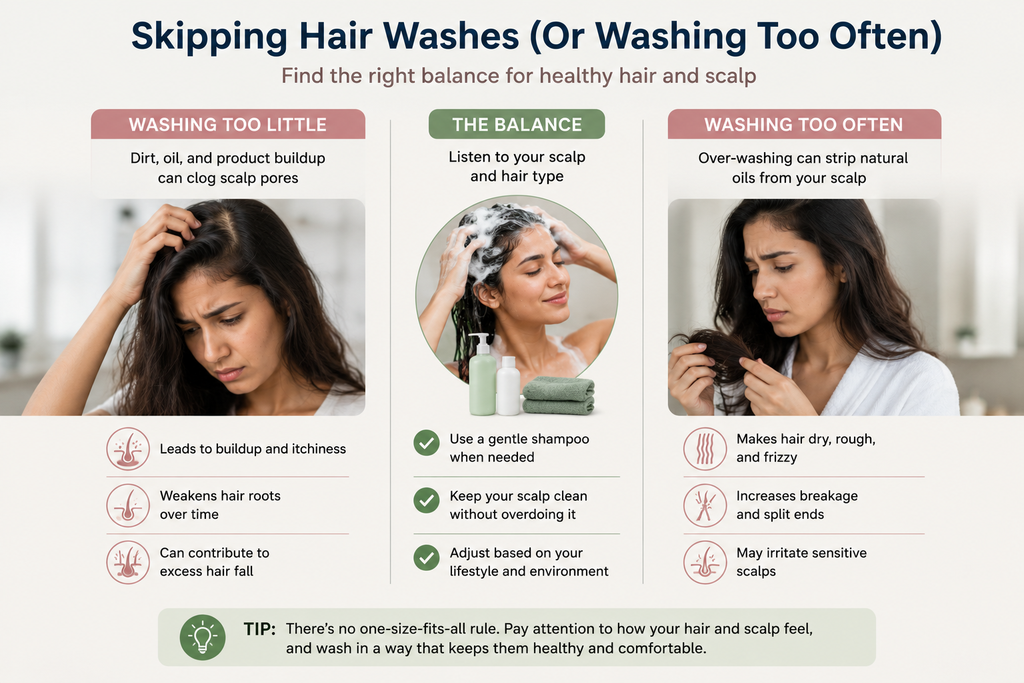
Finding the right balance for washing your hair can be tricky because there is no single routine that works for everyone. If you travel through dust and pollution every day or sweat heavily, you may need to wash your hair more often. On the other hand, using harsh shampoo too frequently can leave some hair types feeling dry and rough. Instead of following a fixed rule like washing two or three times a week, pay attention to your scalp and hair type. Use a gentle shampoo when needed and focus on keeping your scalp clean without overdoing it.
Seeing extra hair on the floor can be scary, but increased shedding does not always mean that something serious is wrong. Sometimes, it can follow changes in stress, illness, diet, or everyday habits. Pay attention to what has changed in your life recently, give your body time to recover, and avoid jumping from one expensive hair treatment to another. If the hair loss is sudden, severe, patchy, or continues without an obvious reason, it is better to get it checked rather than simply assuming it will go away on its own.