Kratom: Effects, Risks, and Safety
Kratom has shifted rapidly from an obscure herbal import to a widely available retail product sold in smoke shops, gas stations, and online wellness stores across the United States. Often marketed as an all-natural botanical supplement for stamina, relaxation, or self-managed discomfort, it is frequently misunderstood as a harmless plant alternative to prescription medicine.
The biological reality is far more complex. While kratom comes from the leaves of a tropical tree, its active chemical compounds trigger profound pharmacological responses in the human central nervous system. Because it acts on opioid pathways while remaining largely unregulated, it carries documented risks of physical dependence, severe withdrawal, organ stress, and dangerous drug interactions.
Kratom is a Southeast Asian plant containing active compounds like mitragynine and 7-hydroxymitragynine that stimulate the brain at low intakes and produce sedative, opioid-like effects at higher amounts. Daily use is not considered safe by major medical bodies due to the substantial risk of physical dependence, tolerance, and withdrawal. The U.S. Food and Drug Administration (FDA) has not approved kratom for any medical purpose, warning against its use due to reported risks of liver injury, seizures, cardiovascular strain, and unpredictable product potency—particularly in concentrated extracts.
What Is Kratom?
Kratom is the common name for Mitragyna speciosa, an evergreen tree indigenous to Southeast Asia, particularly Thailand, Malaysia, and Indonesia. For centuries, rural laborers in its native regions chewed fresh leaves or brewed them into tea to stave off fatigue, endure grueling physical labor, and ease routine muscle soreness.
In the leaves lie dozens of biologically active plant compounds known as alkaloids. The two primary drivers of kratom’s biological activity are:
- Mitragynine: The most abundant alkaloid in raw leaf material, responsible for many of the plant’s complex stimulating and mood-altering properties.
- 7-Hydroxymitragynine (7-OH): Found naturally only in trace quantities within raw leaves, this potent alkaloid possesses a much stronger affinity for opioid receptors than mitragynine.
Modern retail kratom products bear little resemblance to traditional leaf preparations. Commercial offerings in the U.S. span concentrated crushed powders, encapsulated extracts, liquid energy “shots,” and synthetic formulations where active alkaloid levels can be magnified dozens of times over natural baseline levels. Plant origin alone does not ensure biological safety; many potent, habit-forming pharmaceuticals originated from wild flora.
What Does Kratom Do?
Kratom acts as an atypical psychoactive agent. Rather than fitting cleanly into a single pharmacological category, it displays a dual nature that shifts depending on the amount consumed, individual metabolism, and the specific chemical makeup of the product.
At lower amounts, kratom tends to act as a mild stimulant. Consumers often report heightened alertness, talkativeness, perceived physical stamina, and decreased fatigue. At higher amounts, the pharmacology shifts toward central nervous system depression, leading to physical sedation, blunted emotional perception, and pain modulation.
This mechanism occurs because mitragynine and 7-OH interact with multiple physiological targets simultaneously. They bind to mu-opioid receptors in the brain and spinal cord—the identical receptor network targeted by conventional narcotic medications—while also influencing adrenergic, serotonergic, and dopamine signaling pathways. This multipronged receptor activity is why kratom can simultaneously raise heart rate while muting physical sensation, creating an unpredictable physiological profile.
Kratom Effects
The physiological and psychological impacts of kratom unfold across multiple systems in the body, ranging from mild shifts in focus to acute neurological disruptions.
Short-Term Effects
Following consumption, onset typically occurs within 10 to 30 minutes, lasting anywhere from two to six hours depending on gastric contents and formulation:
- Heightened physical energy or motor restlessness
- Elevated mood or temporary sense of well-being
- Sedation and deep muscular relaxation
- Dry mouth and suppressed appetite
- Flushed skin and increased perspiration
- Constricted pupils and altered visual focus
Effects on the Brain and Nervous System
Because kratom compounds cross the blood-brain barrier readily, neurological outcomes can swing rapidly from pleasant to distressing. Mild nervous system impacts include lightheadedness, tremors in the hands, and cognitive fog.
In higher intakes or susceptible individuals, adverse central nervous system responses become more pronounced. These include severe confusion, acute agitation, involuntary muscle twitches, hallucinations, and, in severe adverse cases, seizures.
Effects on the Cardiovascular System
Kratom exerts complex autonomic effects. Stimulatory alkaloid activity can trigger significant spikes in sympathetic nervous tone, leading to sudden elevations in blood pressure (hypertension) and an abnormally rapid resting heart rate (tachycardia). Medical case reports have documented heart palpitations, abnormal cardiac electrical conduction (such as QT interval prolongation), and chest pain in regular consumers.
Potential Benefits of Kratom: What Research Says
Many consumers turn to kratom seeking relief from chronic discomfort, fatigue, generalized anxiety, depressive symptoms, or to self-manage opioid cessation and cravings.
However, subjective user reports do not equate to established clinical efficacy:
- Absence of Robust Human Trials: The vast majority of published literature consists of animal research, observational user surveys, or retrospective case analyses. Controlled, double-blind human clinical trials validating kratom as a safe, repeatable treatment for any chronic condition do not exist.
- Variable Chemical Profiles: Natural plants vary drastically based on growing soil, harvest timing, drying methods, and shelf degradation. Two packages from the same commercial brand may contain wild variations in alkaloid concentration.
- No Approved Therapeutic Uses: The FDA has not approved kratom as a safe or effective medication for any health condition.
Those dealing with persistent emotional distress or physical pain are strongly encouraged to pursue evidence-based options. You can explore foundational strategies for managing life stressors in our guide on mental health and well-being strategies, or speak directly with a licensed physician regarding structured, verified therapies.
What Are the Negative Side Effects of Kratom?
Adverse reactions to kratom range from uncomfortable gastrointestinal complaints to life-threatening medical emergencies.
Common Side Effects
| Side Effect | Clinical Context |
| Nausea & Vomiting | Direct irritation of the gastric lining coupled with central trigger-zone stimulation in the brainstem. |
| Severe Constipation | Opioid-receptor activation along the gastrointestinal tract paralyzes natural peristalsis (bowel motility). |
| Dizziness & Vertigo | Vascular tone fluctuations and inner-ear vestibular disruption. |
| Drowsiness & Lethargy | Sedative depression of the central nervous system, impairing driving and machinery operation. |
| Excessive Sweating (Diaphoresis) | Autonomic nervous system dysregulation affecting thermal balance. |
| Pruritus (Itching) | Systemic histamine release triggered by alkaloid processing. |
| Unintended Weight Loss | Sustained appetite suppression and altered metabolic absorption from regular intake. |
Serious Adverse Reactions
Severe events usually stem from high-potency extracts, prolonged daily use, or mixing kratom with other substances:
- Seizures: Unprovoked tonic-clonic episodes reported in both new users and chronic consumers with no prior seizure history.
- Toxic Hepatitis: Acute, drug-induced liver injury presenting with dark urine, jaundice, and dangerous liver enzyme spikes.
- Respiratory Depression: Shallow, dangerously slow breathing, seen primarily when kratom is combined with other central nervous system depressants or taken in massive quantities via pure extracts.
- Psychotic Manifestations: Drug-induced psychosis marked by paranoia, extreme delusions, and severe disorientation.
Managing persistent digestive complications or metabolic side effects requires medical oversight; for broader digestive recovery, see our clinical breakdown of restoring healthy gut motility.
Does Kratom Cause Dependence or Addiction?
Yes. Regular intake of kratom can lead to physical dependence, and in many individuals, it develops into a diagnosed substance use disorder.
Understanding the clinical distinction between these states is vital:
- Tolerance: The biological phenomenon where the brain’s receptor systems downregulate in response to repeated alkaloid exposure, requiring progressively larger quantities of the plant to achieve the original effect.
- Physical Dependence: An altered physiological state where the body has adapted its baseline neurochemistry to the continuous presence of kratom compounds. If intake ceases abruptly, the neurochemical balance collapses, precipitating physical withdrawal.
- Substance Use Disorder (Addiction): A chronic psychological and behavioral condition characterized by an inability to cease use despite obvious physical, emotional, financial, or social harm.
Common behavioral indicators of problematic use include spending disproportionate time sourcing kratom, unsuccessful attempts to taper down, hiding the habit from family, and consuming the product solely to prevent the onset of sickness. For insight into how psychological habits develop and reinforce physical dependencies, review our guide on breaking compulsive lifestyle loops.
Kratom Withdrawal Symptoms
When a person who has consumed kratom regularly stops abruptly, the central nervous system rebounds into a state of hyper-arousal. Kratom withdrawal closely mirrors classical opioid withdrawal, though it often carries unique psychiatric hurdles due to the drug’s complex alkaloid spectrum.
Physical Withdrawal Symptoms
- Severe diffuse muscle aches and deep bone pain
- Jerking movements and severe Restless Legs Syndrome (RLS), especially at night
- Rhinorrhea (constant runny nose) and excessive lacrimation (watery eyes)
- Profuse cold sweats punctuated by hot flashes and goosebumps
- Intractable abdominal cramping, nausea, and watery diarrhea
- Extreme lethargy and persistent physical exhaustion
Psychological Withdrawal Symptoms
- Intense, overwhelming drug cravings
- Severe rebound anxiety and panic attacks
- Profound dysphoria, emotional volatility, and depressive episodes
- Marked irritability and sudden bouts of unprovoked anger
- Total insomnia and fragmented sleep architecture
The duration and severity of withdrawal vary significantly. Acute physical symptoms usually manifest within 6 to 12 hours after the last dose, peak between days two and four, and gradually subside over one to two weeks.
However, psychological hurdles—such as lingering insomnia, blunted pleasure response (anhedonia), and persistent anxiety—can persist for several months as Post-Acute Withdrawal Syndrome (PAWS). Those navigating long-term recovery often require clinical assistance; learn more about restoring depleted sleep cycles during recovery in our resource on sleep architecture and insomnia recovery.
Is It Safe to Take Kratom Daily?
From an evidence-based clinical perspective, daily kratom use cannot be considered safe.
Daily consumption accelerates physiological tolerance, pushing users toward regular dose escalation to achieve identical baseline relief or mood stabilization. This rapid escalation locks the body into physical dependence within weeks, creating a cycle where the individual is no longer consuming the product for perceived benefits, but rather to stave off incapacitating withdrawal symptoms.
Furthermore, daily consumption chronically exposes the filtration organs—primarily the liver and kidneys—to variable plant alkaloids, manufacturing impurities, and potential environmental toxins such as lead, nickel, and salmonella, which have historically triggered widespread commercial kratom recalls in the United States.
What Organs Can Kratom Affect?
Because kratom’s alkaloids must be digested, metabolized, circulated, and excreted, habitual or excessive intake strains multiple organ networks.
      [ Central Nervous System ]
        - Seizure threshold reduction
        - Neurochemical receptor downregulation
                   │
                   ▼
       [ Cardiovascular System ]
        - Tachycardia & elevated blood pressure
        - Ventricular conduction stress
                   │
                   ▼
       [ Hepatic System (Liver) ]
        - Cholestatic hepatitis
        - Cytochrome P450 enzyme exhaustion
                   │
                   ▼
       [ Renal System (Kidneys) ]
        - Secondary acute tubular necrosis
        - Rhabdomyolysis filtration damage
Liver
Drug-induced liver injury (DILI) is one of the most consistently documented clinical hazards linked to kratom. Typically manifesting within two to eight weeks of initiating use or increasing intake, it often presents as cholestatic hepatitis—a condition where bile flow from the liver stalls. Symptoms include yellowish discoloration of the eyes and skin (jaundice), pruritus, profound fatigue, and tea-colored urine. Learn about general indicators of hepatic stress in our overview of early signs of liver distress.
Heart and Cardiovascular System
Continuous sympathetic nervous activation places significant work stress on the myocardium. Chronic daily users face sustained blood pressure elevations, compounding the risk of early cardiovascular wear. Those with subclinical, underlying heart conditions face magnified risks of arrhythmias and acute cardiac arrest when introducing concentrated alkaloid preparations. Explore general habits for maintaining arterial health in our guide on cardiovascular health and blood pressure.
Brain and Nervous System
Beyond basic dependence pathways, sustained kratom exposure lowers the electrical seizure threshold in brain tissue. Unprovoked grand mal seizures have been documented in emergency settings among young, otherwise healthy users taking single large doses or high-potency extracts.
Kidneys and Urinary Tract
Renal impairment typically arises secondary to other acute systemic complications. When severe kratom toxicity induces prolonged immobilization, severe hyperthermia, or sustained seizures, muscle breakdown (rhabdomyolysis) can occur. The resulting surge of myoglobin proteins overwhelms renal filtration, culminating in acute kidney failure requiring hemodialysis. General guidance on fluid balance and urinary health is covered in our breakdown of optimal hydration and kidney function.
Is Kratom an Opioid?
The question of whether kratom is an opioid requires careful linguistic and pharmacological precision.
Botanically and chemically, kratom is not a true opiate; opiates are naturally occurring derivatives refined directly from the opium poppy (Papaver somniferum), such as morphine and codeine. Nor is it structured identically to fully synthetic classical opioids like fentanyl or methadone.
Pharmacologically, however, kratom’s primary alkaloids operate as atypical opioid-receptor agonists. They physically bind to and activate human mu-opioid receptors.
While mitragynine recruits different intracellular signaling pathways than classical narcotics (exhibiting what pharmacologists call biased agonism, which historically showed less respiratory arrest in early animal modeling), real-world human consumption patterns tell a different story. Highly concentrated derivatives—specifically products enriched with 7-hydroxymitragynine—bind to these receptors with exceptional potency, inducing dependence, biological tolerance, constipation, physical analgesia, and sedation virtually indistinguishable from traditional opioids.
What Is 7-Hydroxymitragynine (7-OH)?
In raw botanical kratom leaf, 7-hydroxymitragynine (7-OH) makes up less than 2% of the overall alkaloid makeup. It is an extremely minor constituent compared to parent mitragynine.
Over the past few years, the retail market has seen the emergence of products selectively processed, enriched, or synthesized to contain massive percentages of isolated 7-OH. Sold as chewable tablets, sublingual drops, and concentrated syrups, these preparations separate entirely from traditional botanical kratom.
Isolated 7-OH demonstrates an affinity for human mu-opioid receptors that dramatically eclipses that of natural mitragynine. The FDA’s consumer warnings on 7-OH products highlight that these isolated formulations present an acute hazard for rapid addiction, accidental overdose, severe respiratory suppression, and neonatal abstinence syndrome if used during pregnancy. Consumers often assume a product marked “kratom extract” is simply condensed plant leaf, unaware that it may actually contain an isolated, semi-synthetic compound functioning like a potent pharmaceutical narcotic.
Kratom Pills, Powder, Extracts, and Gummies
Commercial packaging masks massive differences in product strength. Understanding what these products look like and how they are manufactured highlights why self-titration is so dangerous.
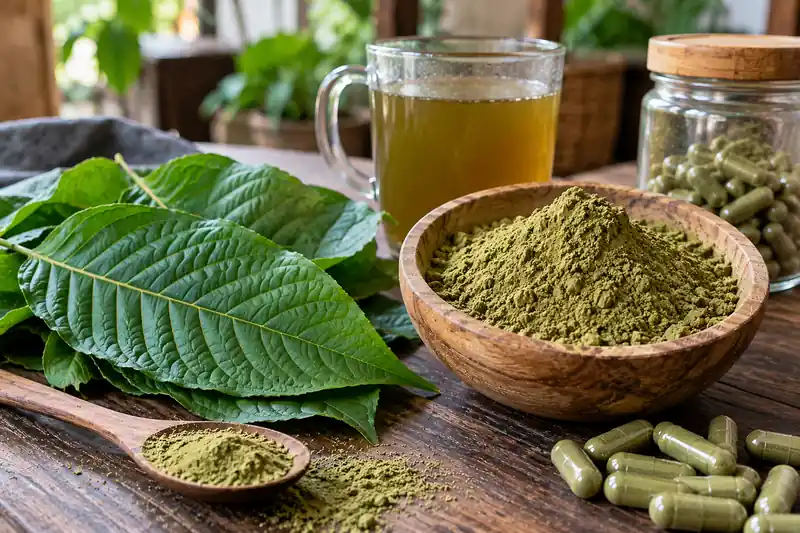
- Raw Powder: Ground dried leaves resembling fine matcha or matcha-green tea powder, carrying an earthy, bitter taste. Alkaloid content swings wildly based on the harvest, batch moisture, and shelf aging.
- Capsules and Pills: Standard gelatin or vegetable capsules filled with raw leaf powder to mask the astringent taste. While easier to dose visually, they carry the same digestive delays and batch-to-batch inconsistency as raw powder.
- Liquid Extracts & “Shots”: Solvents (such as alcohol, water, or chemical agents) are used to strip alkaloids from bulk plant material, concentrating them into small 15ml to 60ml vials. These often deliver four to ten times the alkaloid volume of raw leaves in a single serving.
- Gummies and Confections: Gelatin candies infused with liquid extract or isolated 7-OH powder. These present unique public health concerns due to their confectionery presentation, which masks the bitter taste and increases the risk of accidental overconsumption or pediatric ingestion.
Because dietary supplements lack mandatory pre-market federal testing for potency and purity, labels rarely present truthful active alkaloid concentrations. Independent laboratory screenings routinely discover unlisted additives, synthetic alkaloid spikes, heavy metals, and bacterial adulterants in commercial brands.
Kratom Drug Interactions and Safety Risks
Polysubstance use—combining kratom with prescription drugs, over-the-counter remedies, or recreational substances—is the driving factor in the vast majority of kratom-related fatalities recorded by medical examiners across the United States.
       KRATOM ALKALOIDS
       (Mitragynine & 7-OH)
               │
       Inhibits CYP2D6 & CYP3A4
       Enzymatic Breakdown Pathways
               │
       ┌───────┴────────────────────────┐
       ▼                                ▼
[ CNS Depressants ]            [ Stimulants & Antidepressants ]
- Benzodiazepines               - Amphetamines / ADHD meds
- Alcohol                       - Cocaine / Caffeine
- Prescription Opioids          - SSRIs / SNRIs
- Sleep Aids (Z-drugs)          - Bupropion
       │                                │
       ▼                                ▼
Extreme Respiratory Depression,   Severe Tachycardia, Malignant
Coma, Fatal Hypoxia, Cardiac      Hypertension, Serotonin Syndrome,
Arrest                            Acute Seizures
Kratom compounds interfere heavily with hepatic cytochrome P450 enzymes, particularly CYP2D6 and CYP3A4. These critical liver enzymes are responsible for breaking down a vast catalog of prescription pharmaceuticals:
- Central Nervous System Depressants: Mixing kratom with benzodiazepines (e.g., Xanax, Valium), prescription opioids (e.g., oxycodone, hydrocodone), sedative sleep medications, or alcohol multiplies central respiratory suppression. The brain’s autonomic drive to breathe can slow to a complete, fatal halt.
- Antidepressants (SSRIs/SNRIs and MAOIs): Because kratom influences serotonergic and adrenergic pathways, combining it with medications such as sertraline, venlafaxine, or fluoxetine elevates the risk of serotonin syndrome—a potentially fatal toxic state marked by hyperthermia, muscle rigidity, and cardiovascular collapse. Review medication safety principles in our comprehensive guide to common drug interactions.
- Stimulants: Combining kratom with prescription stimulants (such as Adderall or Ritalin), high-dose caffeine, or illicit stimulants places extreme synergistic stress on cardiac conduction pathways, significantly elevating stroke and arrhythmia risk.
Kratom and Teenagers: What Parents Should Know
The commercial availability of kratom in corner convenience stores, combined with misleading online claims that it is an organic, safe study aid or natural relaxant, has made it increasingly appealing to adolescents and young adults.
The American Academy of Pediatrics warns parents that developing adolescent brains are uniquely vulnerable to the addictive neurochemistry of atypical opioid agonists. Furthermore, colorful packaging, fruit-flavored gummies, and single-serve energy drinks obscure the reality that the product contains habit-forming compounds.
Subtle warning signs that may warrant a supportive, non-confrontational conversation include:
- Unexplained parcels or packaging labeled with botanical or exotic imagery
- The sudden presence of leafy, foul-smelling green powders, capsules, or dark liquid vials in bedrooms or backpacks
- Unexplained financial withdrawals or spending at vape and smoke shops
- Sudden lethargy, bloodshot eyes, slurred speech, or erratic sleep schedules
- Flu-like symptoms (sweating, vomiting, diarrhea, intense body aches) that appear suddenly over weekends or during family trips when retail access is interrupted
Parents who suspect their teen is consuming kratom should avoid punitive confrontations. Instead, engage a pediatrician, adolescent mental health counselor, or substance use professional to assess the physical situation and explore whether underlying anxiety, social stress, or academic pressure is driving the behavior. For strategies on talking with teens about complex health choices, read our guide on adolescent wellness communication.
What to Do if Someone Has a Serious Reaction
Acute adverse reactions to kratom or contaminated extract products constitute real medical emergencies. Every second counts, especially if polysubstance toxicity is involved.
Emergency Warning Signs
Call emergency services immediately if the individual displays any of the following:
- Depressed Respiration: Breathing is slow, shallow, erratic, or has stopped entirely (fewer than 8 to 10 breaths per minute).
- Unresponsiveness: The person cannot be awakened by loud shouting or firm knuckles rubbed along their breastbone (sternal rub).
- Cyanosis: The lips, gums, or nail beds turn blue, purple, or ashen gray.
- Convulsions or Seizures: Violent, uncontrolled rhythmic shaking or loss of consciousness.
- Agitated Delirium: Extreme paranoia, aggressive hallucinations, or profound disorientation.
- Chest Pain: Squeezing, radiating pressure in the chest accompanied by cold sweats.
Action Steps During an Overdose Crisis
- Call 911 Immediately: State clearly that the individual is unresponsive or struggling to breathe. Provide your precise location first.
- Administer Naloxone (Narcan): If you have access to naloxone nasal spray, administer it immediately. While kratom’s atypical alkaloids may respond less efficiently to naloxone than classical opioids like heroin or oxycodone, kratom products are frequently adulterated with synthetic opioids, and naloxone remains a safe, life-saving intervention that will do no harm if opioids are absent.
- Place in the Recovery Position: If the person is unconscious but breathing, roll them onto their side with their top knee bent forward to support their body. This keeps their airway open and prevents fatal asphyxiation if they vomit.
- Preserve Packaging: Secure any nearby powders, vials, wrappers, or receipts and give them directly to arriving emergency medical technicians (EMTs). This helps hospital toxicologists identify chemical contaminants or specific isolated alkaloids like 7-OH.
- Poison Help Contact: For adverse, non-collapsing reactions where you need immediate clinical toxicology guidance, contact the U.S. Poison Control Center at 1-800-222-1222 or access PoisonHelp.org.
Frequently Asked Questions
Does kratom cause dependence?
Yes. Daily or regular use leads to physical dependence as the body’s mu-opioid and adrenergic receptors adjust to the compounds. When consumption slows or stops, users typically encounter acute, flu-like physical and psychological withdrawal symptoms.
What are the negative side effects of kratom?
Common adverse effects include nausea, persistent constipation, lightheadedness, daytime sedation, dry mouth, and sweating. Severe reactions can include seizures, toxic liver damage, dangerously elevated blood pressure, severe confusion, and, when combined with other central nervous system depressants, respiratory failure.
Is it safe to take kratom daily?
No. Daily use is not considered safe by clinical or regulatory standards. Habitual consumption rapidly establishes physical tolerance, drives habituation, increases the risk of organ toxicity, and inevitably results in withdrawal upon cessation.
What organs are affected by kratom?
Kratom impacts multiple organ systems. The liver must filter its complex alkaloids, which can lead to drug-induced cholestatic liver injury. The cardiovascular system is stressed by heart rate and blood pressure spikes. The gastrointestinal tract experiences paralyzed motility leading to severe constipation, and the brain experiences receptor downregulation and lowered seizure thresholds.
What does kratom look like?
In its unprocessed form, kratom consists of whole, deep-green oval tree leaves with red, white, or green central veins. In U.S. retail environments, it is almost exclusively seen as a fine, dull-green or brownish powder, packaged inside clear gelatin capsules, mixed into dark brown liquid extract bottles, or stamped into chewable, candy-like tablets and gummies.
Is kratom an opioid?
Kratom is not an opiate derived from the poppy plant, but its primary active alkaloids bind to and stimulate human mu-opioid receptors. Pharmacologically, it produces atypical opioid-like effects, creating similar dependence, pain blunting, physical withdrawal, and sedation.
Does kratom cause liver damage?
Yes, documented medical literature confirms cases of kratom-induced hepatotoxicity. This often manifests within weeks of regular use as dark urine, yellowing skin and eyes (jaundice), abdominal tenderness, and severely elevated liver enzymes, requiring prompt medical intervention.
Can kratom cause seizures?
Yes. Seizures have been widely documented in clinical settings among consumers using high doses, concentrated extracts, or combining kratom with other substances that lower seizure thresholds, such as certain antidepressants or stimulants.
Can kratom cause withdrawal?
Yes. Ceasing kratom after consistent use triggers acute withdrawal characterized by severe bone and muscle pain, profound restlessness (especially in the legs), insomnia, diarrhea, runny nose, sweating, high anxiety, and intense drug cravings.
Is kratom FDA-approved?
No. There are currently no FDA-approved drug products or medical applications for kratom in the United States. The FDA has repeatedly advised consumers against using kratom due to documented safety concerns and the lack of verified therapeutic efficacy.
Are kratom supplements safe?
Commercial kratom products cannot be assumed safe. Because the industry lacks uniform federal safety manufacturing standards, retail products frequently contain inconsistent alkaloid potencies, undeclared synthetic alkaloid spikes, heavy metals, or bacterial contaminants.
Can kratom interact with medications?
Yes. Kratom strongly inhibits vital liver enzymes (CYP2D6 and CYP3A4) responsible for clearing many prescription medications. Combining kratom with central nervous system depressants (like alcohol or sedatives) can trigger fatal respiratory arrest, while mixing it with stimulants or antidepressants can spark dangerous cardiac arrhythmias or serotonin syndrome.
Is kratom safe for teenagers?
No. The adolescent brain is highly susceptible to neurochemical rewiring and substance dependence. The American Academy of Pediatrics strongly warns against adolescent consumption due to risks of rapid addiction, behavioral disruption, and accidental poisoning.
What should I do if someone takes too much kratom?
If the person is unresponsive, turning blue, seizing, or having trouble breathing, immediately call 911 and administer naloxone (Narcan) if on hand. For adverse, non-life-threatening reactions or accidental ingestion, contact U.S. Poison Control at 1-800-222-1222.
Navigating health choices requires separating marketing claims from clinical evidence. If you or someone you care about is consuming kratom to cope with pain, anxiety, or previous substance use, reach out to a compassionate primary care physician or a licensed addiction specialist. For confidential, free, round-the-clock support in locating evidence-based care in the United States, connect with the Substance Abuse and Mental Health Services Administration (SAMHSA) National Helpline at 1-800-662-4357 or visit FindTreatment.gov . Recovery, stability, and lasting wellness are entirely possible with the right clinical tools and support systems in place.