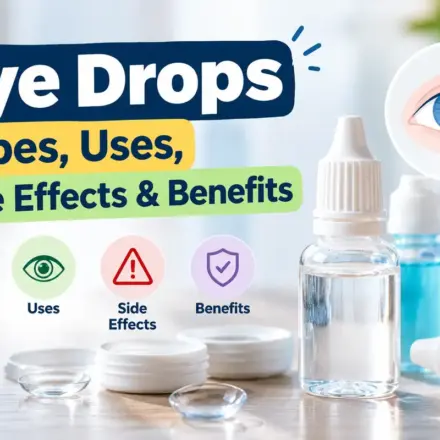
Eye Drops: Types, Uses, Side Effects & Benefits
Whether dealing with seasonal allergies, screen-related dryness, or an acute infection, eye drops are among the most common medications in medicine cabinets. Because many formulations are available over the counter, it is easy to assume they are entirely interchangeable and harmless.
However, eye drops range from simple lubricating saline solutions to potent prescription medications that alter internal eye pressure or suppress immune responses. Using the wrong drop for a particular symptom—or administering it improperly—can delay necessary treatment, aggravate irritation, or risk serious ocular complications.
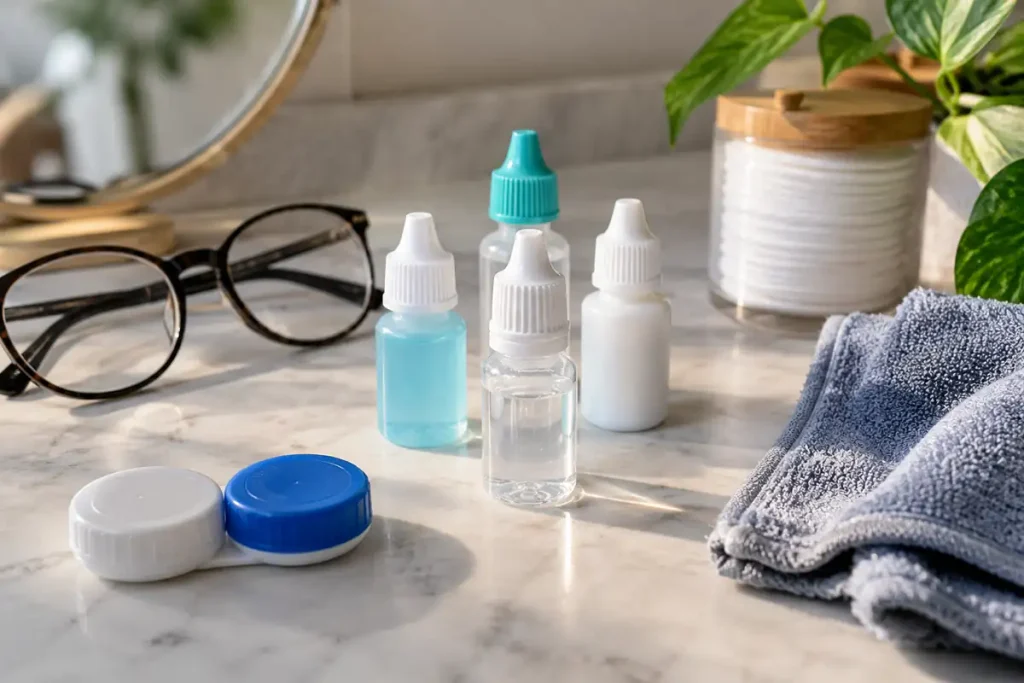
Eye drops are designed for specific conditions, including dry eye, allergies, infections, inflammation, and glaucoma. Over-the-counter lubricating tears are generally gentle, but redness-relieving decongestant drops can cause severe rebound redness if overused. Prescription formulations like steroids and antibiotics require strict medical supervision. Always wash your hands before use, never touch the dropper tip to your eye, and seek professional care immediately if you experience eye pain, vision changes, or persistent discharge.
What Are Eye Drops?
Eye drops are sterile, liquid solutions or suspensions formulated to be placed directly onto the surface of the eye. Because the ocular surface is delicate, these medications must meet strict standards for sterility, pH balance, and tonicity to prevent tissue damage and infection.
Eye drops fall into two main categories:
- Over-the-Counter (OTC) Drops: Intended for temporary, self-managed relief of minor symptoms like everyday dryness, environmental irritation, or seasonal itching. Examples include artificial tears and mild antihistamine drops.
- Prescription Eye Drops: Formulated to treat diagnosed medical conditions, active bacterial or viral infections, chronic diseases like glaucoma, or post-surgical inflammation. These require professional oversight because inappropriate use carries significant risks.
What Are Eye Drops Used For?
Eye drops deliver targeted treatment directly to ocular tissues, reducing the systemic side effects that often accompany oral medications. Common uses include:
- Relieving dryness, gritty sensations, and burning from low humidity or screen fatigue
- Calming allergic reactions triggered by pollen, pet dander, or dust mites
- Constricting swollen surface blood vessels to temporarily reduce redness
- Treating active bacterial, viral, or fungal infections
- Reducing post-operative or chronic ocular inflammation
- Lowering intraocular pressure to slow or prevent optic nerve damage in glaucoma
- Dilating the pupil during diagnostic eye examinations
The appropriate formulation depends entirely on the underlying cause. Applying a lubricating drop will not resolve a bacterial infection, and using an antibiotic drop will not calm an environmental allergy.
Types of Eye Drops
Different ocular conditions require distinct active ingredients and mechanisms of action.
| Type | Common Uses | Availability | Key Considerations |
| Artificial Tears (Lubricating) | Dryness, burning, screen-related eye strain | OTC | Restores moisture; available with or without preservatives. |
| Antihistamine / Mast-Cell Stabilizers | Allergic conjunctivitis, itching, watering | OTC & Prescription | Blocks histamine and stabilizes allergic response. |
| Decongestant (Redness-Relieving) | Temporary clearance of visible redness | OTC | Carries high risk of rebound redness with frequent use. |
| Antibiotic Drops | Confirmed bacterial infections, corneal ulcers | Prescription | Ineffective against viral “pink eye” and allergies. |
| Steroid (Corticosteroid) Drops | Severe inflammation, post-surgical recovery | Prescription | Can elevate eye pressure and promote cataracts if unmonitored. |
| NSAID Drops | Ocular inflammation, post-operative pain | Prescription | Reduces inflammation without steroid-associated pressure spikes. |
| Glaucoma Drops | Lowering elevated intraocular pressure | Prescription | Requires strict, lifelong daily adherence to protect vision. |
| Pupil-Dilating Drops (Mydriatics) | Comprehensive eye exams, pre-surgery | Clinical / Prescription | Causes temporary light sensitivity and blurred near vision. |
Preservative vs. Preservative-Free Eye Drops
Many bottled eye drops contain chemical preservatives, such as benzalkonium chloride (BAK), polyquaternium-1, or purite. Preservatives inhibit bacterial and fungal growth once the seal is broken, allowing the bottle to remain safe for multi-week use.
- Preserved Drops: Convenient and economical for individuals who need only an occasional drop (once or twice daily). However, frequent exposure to preservatives—particularly BAK—can irritate the cornea, disrupt the tear film, and worsen dry eye symptoms.
- Preservative-Free Drops: Formulated without antimicrobial additives. They are traditionally packaged in single-use plastic vials discarded after application, though specialized multi-dose bottles with one-way filters are also available.
Preservative-free formulations are generally recommended for people who apply drops more than four times per day, those with sensitive ocular surfaces, or patients with moderate-to-severe chronic dry eye disease.
Eye Drops for Specific Conditions
1. Eye Drops for Dry Eyes
Dry eye syndrome occurs when your eyes either produce too few tears or produce poor-quality tears that evaporate too quickly.
- Artificial Tears: Formulated with lubricating polymers like carboxymethylcellulose, polyethylene glycol, or hyaluronic acid, these drops mimic the natural tear film.
- Ointments and Gels: Thicker formulations provide prolonged moisture, making them ideal for overnight use, though they temporarily blur vision.
- When to See a Doctor: If OTC artificial tears used several times a day do not relieve your burning, foreign-body sensation, or stinging, an eye-care professional should evaluate you for conditions like meibomian gland dysfunction.
2. Eye Drops for Red Eyes
Redness occurs when tiny surface blood vessels in the conjunctiva swell due to fatigue, dry air, swimming, smoke, or inflammation.
- Decongestant Drops: Products containing vasoconstrictors like naphazoline or tetrahydrozoline narrow these blood vessels to clear redness quickly.
- The Rebound Redness Trap: These drops do not address the root cause of the irritation. When the medication wears off, blood vessels often dilate even wider than before, creating a cycle known as medicamentosa or rebound hyperemia. Decongestant drops should never be used for more than 72 consecutive hours without professional guidance.
- Newer low-dose brimonidine tartrate drops selectively target veins rather than arteries, carrying a lower risk of rebound redness, but they still mask underlying problems if used carelessly.
3. Eye Drops for Allergies
Allergic conjunctivitis causes itchy, watery, red, and swollen eyes.
- Antihistamines and Dual-Action Drops: Modern OTC options often combine an antihistamine (which relieves itching rapidly) with a mast-cell stabilizer (such as ketotifen or olopatadine, which prevents future histamine release).
- For severe or chronic allergic inflammation, an eye specialist may prescribe a brief course of mild topical steroids.
4. Antibiotic Eye Drops
Antibiotic formulations are designed exclusively to treat bacterial infections, such as bacterial conjunctivitis, keratitis, or corneal ulcers.
- They are completely ineffective against viral conjunctivitis (the most common form of “pink eye”) and allergic flare-ups.
- Overusing or misusing antibiotic eye drops contributes to antimicrobial resistance and can disrupt the natural, protective ocular surface microbiome. They must only be used when prescribed and taken for the complete duration directed.
5. Steroid Eye Drops
Corticosteroid eye drops (such as prednisolone, fluorometholone, and loteprednol) are potent tools for controlling intense ocular inflammation, treating uveitis, or managing recovery after cataract or laser surgery.
- Risks of Unmonitored Use: Prolonged or unmonitored use of topical steroids can elevate intraocular pressure (potentially causing steroid-induced glaucoma), accelerate cataract formation, and suppress the eye’s ability to fight off opportunistic infections, particularly herpes simplex keratitis.
- They must never be borrowed, shared, or restarted without a fresh in-person evaluation.
6. Glaucoma Eye Drops
Glaucoma drops are maintenance therapies formulated to lower intraocular pressure, either by reducing fluid (aqueous humor) production or increasing its drainage.
- Drug classes include prostaglandin analogs, beta-blockers, alpha-agonists, and carbonic anhydrase inhibitors.
- These medications can cause distinct ocular and systemic effects:
- Prostaglandins may cause iris darkening, eyelid skin pigmentation, and eyelash elongation.
- Ophthalmic beta-blockers (like timolol) can enter systemic circulation and potentially lower heart rate or worsen breathing issues in people with asthma or chronic obstructive pulmonary disease (COPD).
How to Apply Eye Drops Correctly
Administering eye drops properly ensures the medication reaches the ocular tissue while minimizing contamination and systemic absorption.
- Wash Your Hands: Thoroughly clean your hands with soap and water to prevent transferring bacteria or debris to your eyes.
- Inspect the Bottle: Ensure the tamper-evident seal is intact, check the expiration date, and shake gently if the product is a suspension.
- Tilt Your Head Back: Look upward toward the ceiling.
- Create a Pocket: Gently pull down your lower eyelid with a clean index finger to create a small pocket between your eyeball and lower lid.
- Position the Dropper: Hold the bottle upside down directly over the pocket. Never allow the dropper tip to touch your eye, eyelid, eyelashes, or fingers.
- Release One Drop: Squeeze gently until a single drop falls into the pocket. The human eye can only hold about one-fifth of an average drop at a time; instilling multiple drops at once simply washes the medication down your face.
- Close and Press (Punctal Occlusion): Close your eye gently without squeezing or blinking repeatedly. Place light pressure with a clean finger against the inner corner of your eye (next to your nose) for one to two minutes. This blocks the tear duct, keeping the drop on your eye and preventing it from draining into your throat and bloodstream.
- Wait Between Medications: If using more than one type of drop, wait at least five minutes between applications so the second drop does not dilute or flush away the first. Ointments should always be applied last.
Common Mistakes to Avoid
- Touching the Tip to Surfaces: Contacting eyelashes or skin contaminates the entire bottle, turning it into a reservoir for bacteria.
- Sharing Medications: Sharing eye drops, particularly for suspected infections, easily spreads contagious viral or bacterial pathogens between individuals.
- Using Expired or Clouded Drops: Expired drops lose potency, their chemical balance changes, and preservatives degrade, leaving them prone to contamination.
- Confusing Ear and Eye Drops: Ear drops often have higher acidity and different concentrations. Using ear drops in the eye causes severe pain and chemical injury. Always double-check the label says “Ophthalmic.”
- Relying on Drops to Mask Serious Symptoms: Using OTC drops to suppress redness or discomfort without knowing the cause can allow sight-threatening conditions, such as angle-closure glaucoma or corneal ulcers, to progress unchecked.
Potential Side Effects
While eye drops generally have fewer systemic side effects than oral medications, reactions can occur:
- Common Ocular Effects: Mild, transient burning or stinging upon instillation, temporary blurred vision, foreign-body sensation, or watery discharge.
- Allergic Reactions: Swelling of the eyelids, intense itching, hives, or worsening redness surrounding the eye.
- Systemic Side Effects: Due to nasolacrimal drainage, drops enter the nasal mucosa and bloodstream. Certain glaucoma medications may cause changes in pulse, breathing difficulties, fatigue, or dry mouth.
When to Stop Drops and Seek Emergency Medical Care
Discontinue the use of non-prescribed eye drops and contact an optometrist, ophthalmologist, or emergency room immediately if you develop any of the following warning signs:
- Moderate to severe eye pain
- Sudden changes in vision, such as blurriness, double vision, halos around lights, or partial vision loss
- Extreme sensitivity to light (photophobia)
- Copious, thick yellow or green discharge, or eyelids matted shut upon waking
- A sensation that something is deeply scratched or embedded in the cornea
- Swelling that spreads across the eyelid or surrounding facial tissues
- Symptoms that worsen or fail to improve after 48 hours of initial care
Storage and Handling Guidelines
- Check the Label: Store drops at room temperature away from direct heat and moisture, unless the packaging explicitly calls for refrigeration (as some prostaglandin or antibiotic drops require).
- Do Not Freeze: Freezing can break down active chemical compounds and compromise suspensions.
- Track Expiration and Discard Dates: Most standard multi-dose preserved bottles must be discarded within 30 to 90 days after opening, regardless of the printed expiration date, because the risk of microbial contamination increases over time. Preservative-free single-use vials must be disposed of immediately after one use.
Frequently Asked Questions
Can you use eye drops while wearing contact lenses?
Most medicated and preserved eye drops should not be used while wearing contacts. Preservatives like BAK can bind to soft contact lenses, causing persistent corneal irritation and lens discoloration. Unless a product is specifically labeled as “rewetting drops for contact lenses,” remove your contacts before applying drops and wait at least 15 minutes before reinserting them.
Can eye drops make red eyes worse?
Yes. Decongestant eye drops that constrict surface blood vessels can cause “rebound redness” when used repeatedly for more than two or three days. When the medication wears off, the blood vessels dilate further, leaving the eyes redder than before you started.
Can you buy antibiotic eye drops over the counter?
No. In the United States, all true ophthalmic antibiotic drops require a prescription from a licensed healthcare provider. OTC products claiming to treat pink eye are either homeopathic, herbal, or simple lubricating washes that do not treat active bacterial infections.
Can children use adult eye drops?
Not automatically. Children’s ocular tissues and systemic absorption profiles differ from adults. While some pediatric lubricating or allergy drops are available, dosing and active ingredients must be vetted by a pediatrician or pediatric ophthalmologist. Never administer leftover adult prescription drops to a child.
Why does my throat taste bitter after taking eye drops?
Your eyes drain through the puncta into the nasolacrimal (tear) duct, which connects directly to the back of your nose and throat. If you do not perform punctal occlusion (pressing the inner corner of your eye for one to two minutes after instillation), the medication drains into your nasopharynx, where your taste buds detect it.
How do I know if an eye drop has been recalled?
The U.S. Food and Drug Administration (FDA) monitors ophthalmic products and issues public safety alerts or recall notices for drops found to have manufacturing defects, lack of sterility, or microbial contamination. Always purchase eye products from reputable pharmacies, avoid unsealed packaging, and consult the FDA’s online drug recall database if you suspect product quality concerns.