10 Simple Tips to Help Control High Blood Pressure
High blood pressure doesn’t usually announce itself. There are no flashing warning lights, no sudden aches, and no obvious fatigue to let you know your arteries are taking a beating. That is exactly why they call it the silent killer. You can walk around feeling perfectly fine while your cardiovascular system works under intense, damaging pressure.
The good news? You aren’t helpless. While genetics play a role, your daily habits hold incredible power over your blood pressure numbers. You don’t necessarily need to overhaul your entire life overnight. Small, consistent adjustments often yield massive results.
Here are 10 simple tips to help control high blood pressure before it controls you.
Get Your Heart Pumping
Your heart is a muscle. When you don’t use it, it gets inefficient. When you exercise regularly, your heart doesn’t have to work as hard to pump blood, which directly reduces the force on your arteries. You don’t need to become a marathon runner. A brisk thirty-minute walk, a bike ride, or even heavy gardening a few times a week can significantly lower your numbers.
Hunt Down Hidden Sodium
We all know dumping a salt shaker over a plate of fries is a bad idea. But that isn’t where most of your sodium actually comes from. The real danger hides in processed foods, canned soups, deli meats, and restaurant meals. Start reading labels. The American Heart Association recommends staying under 1,500 milligrams a day for ideal blood pressure. You will be shocked at how fast a single frozen dinner eats up that daily allowance.
Bring in the Potassium
Think of potassium as sodium’s natural opponent. It helps your body flush out excess salt through your urine and eases the tension in your blood vessel walls. Bananas get all the glory, but you can also load up on sweet potatoes, spinach, avocados, and beans. Getting your potassium from real food rather than supplements is always the safest and most effective route.
Lighten the Load
Carrying extra body weight forces your heart to work overtime just to keep your tissues oxygenated. It is simple physics. Even losing a modest amount of weight—just five to ten pounds—can cause a noticeable drop in your blood pressure. Focus on sustainable, slow weight loss rather than crash diets that inevitably bounce back and stress your system.
Rethink the Evening Drink
A glass of wine with dinner might help you unwind, but alcohol is a known blood pressure antagonist. Drinking too much alcohol can raise your blood pressure by several points. It also actively interferes with the effectiveness of many blood pressure medications. If you choose to drink, keep it moderate—meaning no more than one drink a day for women and two for men.
Put Down the Nicotine
Every time you smoke a cigarette or use a nicotine vape, your blood pressure instantly spikes for minutes afterward. Nicotine violently constricts your blood vessels and forces your heart to beat faster. Over time, the chemicals in tobacco damage the lining of your artery walls, making them narrow and rigid. Quitting is brutal, but it is one of the most immediate favors you can do for your cardiovascular health.
Stop Ignoring Your Stress
Chronic stress keeps your body locked in a state of high alert. Your adrenal glands pump out stress hormones, which constrict your blood vessels and accelerate your heart rate. You cannot eliminate stress from your life, but you must learn to manage it. Whether it is deep breathing exercises, meditation, or simply turning off your email after 6 PM, find a way to signal to your nervous system that it is safe to relax.
Prioritize Actual Rest
When you sleep, your blood pressure naturally dips. If you are surviving on five hours of broken sleep a night, your blood pressure stays elevated for much longer than it should. Sleep apnea is a particularly dangerous culprit here. If you snore heavily and wake up exhausted, talk to a doctor. Fixing your sleep architecture gives your cardiovascular system its only real chance to recover.
Watch Your Caffeine Intake
Caffeine’s effect on blood pressure is highly individual. For some people, a cup of coffee causes a dramatic spike in their numbers; for others, it barely registers. Check your blood pressure about thirty minutes after your morning cup. If it jumps significantly, you might be caffeine-sensitive. Switching to half-caf or herbal tea could be an easy win for your arteries.
Measure It at Home
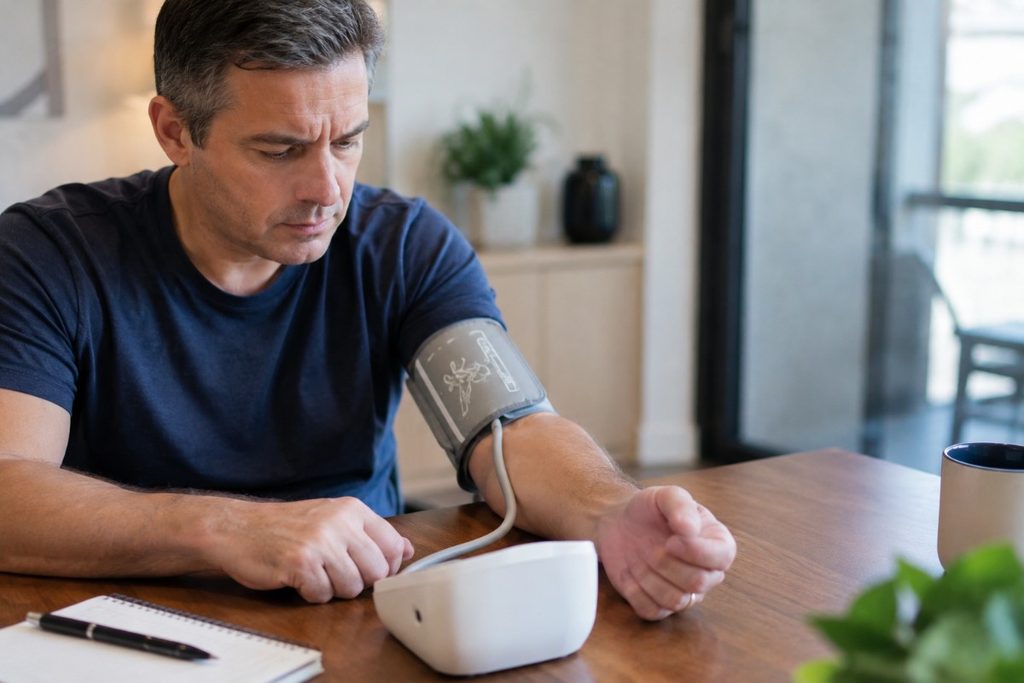
Your blood pressure in a sterile, stressful doctor’s office is rarely an accurate reflection of your daily average. “White coat syndrome” is a real phenomenon where anxiety artificially inflates your reading. Invest in a reliable, well-reviewed home blood pressure monitor with an arm cuff. Take readings at the same time every day to track your actual baseline.
Managing high blood pressure is a marathon, not a sprint. You don’t have to tackle all ten of these tips by tomorrow morning. Pick one or two areas where you know you can improve—maybe adding a daily walk or cutting out the afternoon soda—and build momentum from there. Just remember, these lifestyle changes are powerful, but they aren’t a substitute for professional medical advice. Always work directly with a qualified healthcare provider to create a plan that fits your specific health needs.