U.S. Measles Resurgence: Why Elimination Status Was Lost
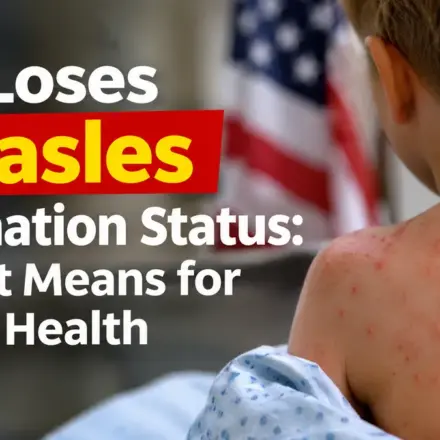
The United States lost its measles elimination status in November 2026 after the Pan American Health Organization (PAHO) determined that continuous transmission of the virus had persisted for more than 12 months. While headlines often frame this milestone as if measles suddenly appeared out of nowhere, elimination status is an epidemiological benchmark rather than a measure of zero cases. Reclaiming it depends on closing local immunity gaps, particularly through routine measles, mumps, and rubella (MMR) vaccination.
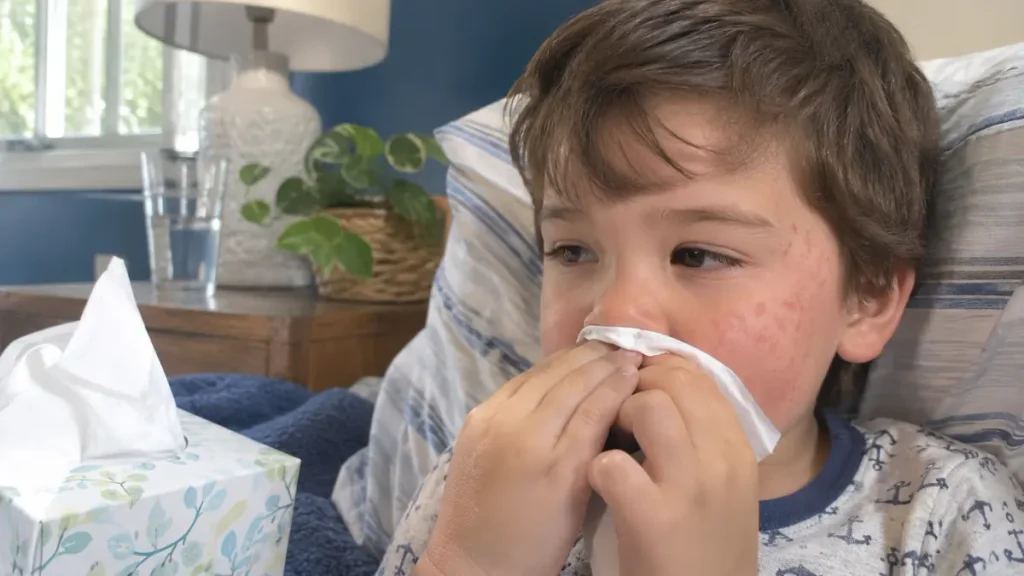
The U.S. had held measles elimination status since 2000, meaning no single viral strain circulated continuously within the country for a full year. Following 2,289 cases in 2025 and 5,412 cases recorded by the Centers for Disease Control and Prevention (CDC) as of November 12, 2026, sustained outbreaks linked across 2025 and 2026 ended that streak. Because 96% of 2026 cases occurred in people who were unvaccinated or had unknown vaccination status, protecting families comes down to checking immunization records and getting up to date on the MMR vaccine.
What “Elimination Status” Actually Means
A common misconception is that “elimination” means a disease no longer exists in a country. In public health, elimination has a strict, technical definition established by the World Health Organization (WHO) and PAHO: the absence of endemic measles virus transmission in a defined geographic area for 12 months or longer in the presence of a strong surveillance system.
Even after the U.S. achieved elimination status in 2000, dozens or occasionally hundreds of cases still occurred most years. Those cases typically began when an unvaccinated resident or visitor contracted measles abroad and brought it back to the U.S. Because overall community immunity was high, public health teams could trace contacts, isolate patients, and stop those chains of transmission within a few weeks or months.
Loss of elimination status happens when an imported chain of transmission does not die out. Using genomic sequencing alongside case investigation, epidemiologists track whether outbreaks share a continuous genetic lineage. When one continuous chain spreads domestically for 12 consecutive months, the virus is once again considered endemic.
Elimination vs. Eradication vs. Control
| Public Health Term | Definition | Current Status for Measles |
| Control | Reduction of disease incidence, prevalence, morbidity, or mortality to a locally acceptable level through ongoing efforts. | Active globally where elimination has not been reached. |
| Elimination | Zero continuous, endemic transmission of a specific viral strain in a defined country or region for 12 or more months. Imported cases can still occur. | Lost by the U.S. in November 2026 after sustained transmission carried over from 2025. |
| Eradication | Permanent global reduction of infection to zero worldwide, making ongoing vaccination unnecessary. | Not achieved for measles (only smallpox in humans has been eradicated). |
Why the U.S. Resurgence Happened
Measles is one of the most contagious human viruses known. According to the CDC overview of measles, up to 9 out of 10 susceptible people who have close contact with an infected person will catch the virus. The virus spreads through respiratory droplets and tiny aerosols that can linger in the air of a room for up to two hours after an infected person has left.
Because measles spreads so efficiently, preventing sustained outbreaks requires roughly 95% community immunity—a benchmark often called the herd immunity threshold. When local vaccination rates dip below that level, pockets of susceptible people form.
Several converging factors created those pockets across the United States:
- Declining kindergarten vaccination rates: National kindergarten MMR coverage has slipped below the 95% threshold in recent school years, with wide disparities by state and county. In the 2025–2026 school year, 18 states reported kindergarten vaccination rates below 90%, while only 10 states met or exceeded 95%.
- Expanded nonmedical exemptions: State legislatures set school immunization policies. Nine states made opting out of routine childhood vaccines easier in 2025, allowing larger clusters of unvaccinated students to gather in the same schools and community networks.
- Pandemic-era routine care disruptions: Missed well-child visits during the COVID-19 pandemic left a cohort of children and adolescents behind on routine immunizations, and catch-up efforts did not reach every community.
- High global measles activity: Measles surged across multiple regions worldwide between 2024 and 2026, increasing the frequency with which international travelers introduced the virus into U.S. airports and communities.
As tracked on the CDC measles cases and outbreaks dashboard, the U.S. recorded 2,289 cases across 48 outbreaks in 2025, followed by 5,412 confirmed cases across 45 states and Washington, D.C., through November 12, 2026. Roughly a third of 2026 infections stemmed from outbreaks that began in 2025 and continued uninterrupted.
What Most Coverage Leaves Out: Who Is Getting Sick and Why Severity Varies
Much of the public conversation focuses on young children, yet CDC surveillance data from 2025 and 2026 shows that adults represent a substantial share of cases and hospitalizations. In 2026, adults aged 20 and older accounted for 41% of reported U.S. cases (2,240 infections), slightly outnumbering school-aged children aged 5 to 19 (40%) and children under age 5 (18%).
Hospitalization rates also follow a U-shaped curve across age groups. Overall, 11% of reported U.S. measles patients in 2026 required hospital care, with the highest hospitalization rates among children under 5 (17%) and adults aged 20 and older (15%), compared with 4% among children and teens aged 5 to 19.
Another overlooked detail is how measles affects the immune system long after the rash fades. Measles infection temporarily damages immune memory cells, a phenomenon researchers call immune amnesia. For months or even a few years after recovering from measles, a person faces higher vulnerability to other bacterial and viral infections they had previously been immune to.
Recognizing Symptoms vs. Routine Viral Illnesses
Early measles looks nearly identical to a severe cold or flu, which is one reason it spreads before families or clinics realize what they are dealing with. A person is contagious from four days before the rash appears until four days after rash onset.
Per the CDC measles symptoms and complications guide, illness typically begins 7 to 14 days after exposure and progresses in stages:
- Early phase (Days 1 to 3): High fever (often climbing above 104°F), a persistent dry cough, runny nose (coryza), and red, watery eyes (conjunctivitis).
- Oral spots (Days 2 to 3): Tiny white spots with bluish-white centers, called Koplik spots, may appear on the inner lining of the cheeks.
- Rash phase (Days 3 to 5): Flat red spots—sometimes with small raised bumps—start on the face along the hairline and spread downward across the neck, trunk, arms, legs, and feet. The spots often merge together as they spread, and fever frequently spikes again when the rash erupts.
Common complications include ear infections (affecting roughly 1 in 10 children with measles) and diarrhea. More severe complications include pneumonia—the leading cause of measles-related death in young children, occurring in up to 1 in 20 infected children—and encephalitis (brain swelling), which occurs in roughly 1 in 1,000 cases and can cause permanent hearing loss or intellectual disability. Very rarely, a fatal degenerative brain disorder called subacute sclerosing panencephalitis (SSPE) develops years after recovery, most often in people infected before age 2.
Important safety precaution: Because many viral illnesses cause fever and rash, a rash alone does not confirm measles. However, if you suspect you or your child has measles or was exposed to a confirmed case, call your doctor, urgent care clinic, or emergency department before walking in. Clinics use special masking, separate entrances, and isolation protocols so an infectious patient does not expose infants, pregnant patients, or immunocompromised people in the waiting room. Seek immediate medical evaluation for trouble breathing, persistent high fever, severe headache, confusion, stiff neck, or signs of dehydration.
Checking Your Immunity: A Practical Decision Guide
Two doses of the MMR vaccine are approximately 97% effective at preventing measles, and one dose is about 93% effective. In the 2026 U.S. outbreak data, 96% of infections occurred in people who were unvaccinated or whose vaccination status was unknown, while 2% had received one dose and 2% had received two doses.
Use the CDC measles vaccination recommendations below to check where you or your family members stand:
- Infants under 6 months: Too young for the MMR vaccine. They rely on maternal antibodies (if the birth parent is immune) and on everyone around them being vaccinated.
- Infants 6 to 11 months: Not routinely vaccinated, except when traveling internationally or living in an area where local public health officials recommend an early dose during an active outbreak. Any dose given before age 12 months does not count toward the routine two-dose childhood series, which still starts at 12 to 15 months.
- Children 12 months through 6 years: Routinely need two doses—the first at 12 to 15 months and the second at 4 to 6 years. During an outbreak or before international travel, the second dose can be given early as long as at least 28 days have passed since the first dose.
- Older children, teens, and adults born in or after 1957: Need written documentation of at least one MMR dose for general protection, or two documented doses (at least 28 days apart) if you are a college student, healthcare worker, international traveler, or live with someone who has a weakened immune system.
- Adults vaccinated between 1963 and 1967: A small share of people vaccinated during those years received an inactivated (killed) measles vaccine that was less effective. If your records show an inactivated vaccine—or you do not know which version you received—ask your doctor about getting a modern MMR dose.
- Adults born before 1957: Generally presumed immune because measles circulated widely before vaccines existed, though healthcare workers born before 1957 without lab proof of immunity may still be advised to get vaccinated during outbreaks.
Who Should Avoid or Delay the MMR Vaccine
Because MMR is a live-attenuated (weakened) vaccine, certain people should not receive it:
- Pregnant individuals: Anyone who is pregnant or planning to become pregnant within the next four weeks should avoid the MMR vaccine. Measles infection during pregnancy increases the risk of premature birth and low birth weight, so people who are not immune should be vaccinated before pregnancy or shortly after delivery.
- Severely immunocompromised people: Patients undergoing chemotherapy, taking high-dose immunosuppressive drugs, or living with severe congenital or acquired immune deficiencies generally cannot receive live vaccines.
- Severe allergic reaction: Anyone who had a life-threatening allergic reaction to a previous MMR dose or a vaccine component (such as gelatin or neomycin) should consult an allergist or physician before vaccination.
If someone who cannot receive the MMR vaccine is exposed to measles, doctors can administer immune globulin (antibodies) within six days of exposure to help prevent or lessen severe illness. For eligible unvaccinated people, receiving an MMR dose within 72 hours of exposure can also provide protection.
Can the United States Regain Elimination Status?
Losing elimination status is reversible, not permanent. Under PAHO and WHO verification standards, a country can regain elimination status once it demonstrates that endemic transmission has been interrupted again for at least 12 consecutive months, backed by thorough laboratory and surveillance records.
Other countries in the Americas have gone through this cycle. Brazil lost its measles elimination status in 2019 after prolonged outbreaks, then regained it in 2024 following sustained nationwide immunization campaigns. Canada lost its elimination status in 2025 amid a multi-year epidemic that began in late 2024, before bringing transmission under control in October 2026.
For the United States, reversing the trend does not require inventing a new medicine or waiting for new technology. MMR vaccine supplies are widely available through pediatricians, primary care clinics, pharmacies, and local health departments. When local vaccination coverage climbs back toward 95%, imported cases stop sparking prolonged chains of transmission—and elimination status follows.
Frequently Asked Questions
Does losing measles elimination status change daily life or travel rules?
Losing elimination status does not trigger automatic travel bans or lockdowns. It is a formal public health classification signaling that measles is circulating continuously inside the U.S. rather than appearing only as brief, imported clusters. Practically, it means your risk of encountering measles in domestic airports, schools, or clinics is higher than it has been since the 1990s, making personal immunity verification more important.
What if I cannot find my childhood vaccine records?
If you cannot locate written immunization records through your state immunization registry, childhood pediatrician, or school records, ask your doctor or pharmacist for advice. According to the CDC MMR vaccine information statement, getting an extra dose of the MMR vaccine is safe if you are already immune, so many providers recommend simply getting vaccinated rather than waiting for blood antibody (titer) testing.
Do adults need an MMR booster if they already had two doses?
No. People with written documentation of two properly spaced doses of live MMR vaccine are considered protected for life and do not need a routine booster during a measles outbreak. Only adults who received zero doses, one dose (when two are recommended for high-risk settings), or an inactivated vaccine between 1963 and 1967 need catch-up vaccination.
Is vitamin A a substitute for the measles vaccine?
No. Vitamin A does not prevent measles and is never a substitute for the MMR vaccine. While clinicians sometimes administer specific, medically supervised doses of vitamin A to children hospitalized with severe measles to reduce complications, taking high doses of vitamin A at home can cause serious liver toxicity and nerve damage.
How long after getting the MMR vaccine does protection start?
Your body typically begins building protective antibodies within two to three weeks after receiving an MMR dose. If you are planning international travel or live in an area with an active outbreak, schedule your vaccination at least two to three weeks in advance whenever possible.