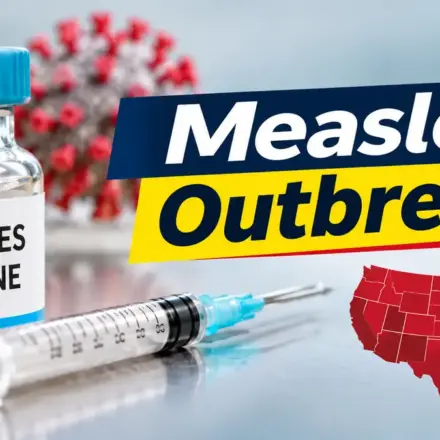
Wisconsin Measles Outbreak: Infant Death Raises Concern
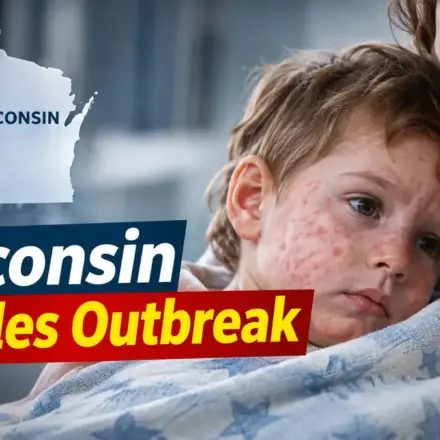
The report from the Wisconsin Department of Health Services confirming the death of an infant linked to an ongoing measles surge has abruptly shifted the conversation around this virus. It is the state’s first recorded measles fatality in more than 35 years, arriving amidst an outbreak that has crossed 430 cases across 13 counties.
For decades, many viewed measles as an obsolete childhood illness—a historical footnote largely handled by routine pediatric care. But when an outbreak reaches the scale where infants lose their lives, public health realities come into sharp relief.
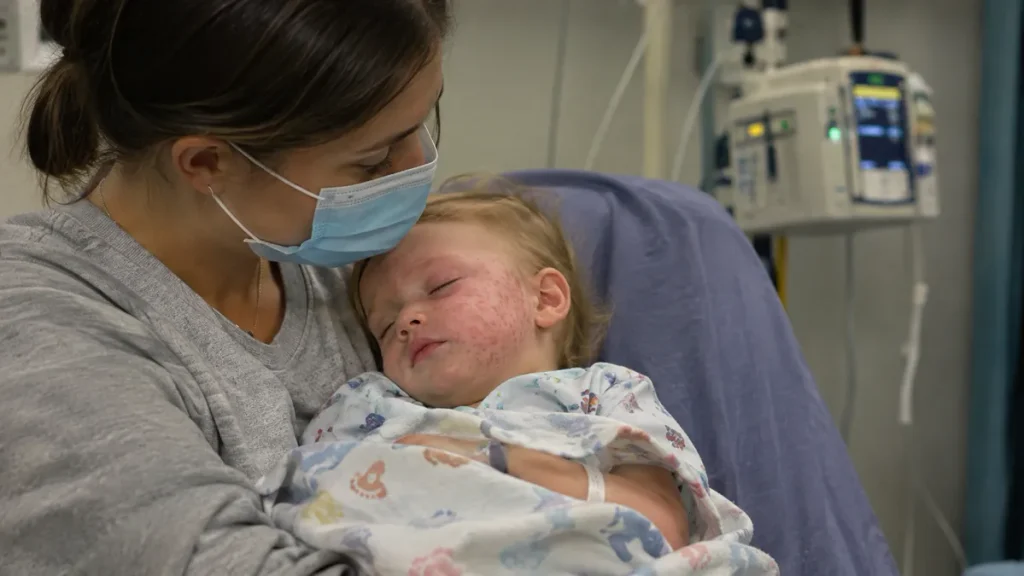
Measles is a severe respiratory virus that can remain airborne for up to two hours after an infected person leaves an area. Infants under 12 months are not yet eligible for their routine MMR vaccine, making them entirely dependent on community immunity for protection. The recent infant death in Wisconsin highlights how quickly localized drops in immunization coverage leave our youngest and most fragile populations exposed.
Why Measles Is Particularly Dangerous for Infants
To understand why this tragedy occurred, one must look at how the immunization schedule aligns with biology.
Under standard guidelines from the Centers for Disease Control and Prevention (CDC), infants receive their first dose of the MMR (measles, mumps, and rubella) vaccine between 12 and 15 months of age. Before that first birthday, their developing immune systems are not typically primed to produce an optimal, durable response to the live attenuated vaccine virus while maternal antibodies are still waning.
That creates a built-in window of vulnerability. Babies under age one cannot simply be scheduled for an ordinary early shot to solve the problem, though the CDC and the American Academy of Pediatrics (AAP)do recommend an early dose starting at six months if a family is traveling internationally or living within an active, severe outbreak zone. Even then, that early shot does not count toward the two-dose routine series.
Infant physiology also makes complications more aggressive:
- Narrow airways: Swelling and heavy mucus build-up can quickly lead to severe croup, bronchiolitis, or viral pneumonia. In pediatric measles, pneumonia is the most frequent cause of fatal outcomes.
- Rapid dehydration: High, spiking fevers accompanied by diarrhea, sore throat, or mouth ulcers make nursing or bottle-feeding painful, causing infants to dehydrate far faster than older children.
- Immune amnesia: Measles does not merely infect; it temporarily resets the immune system by eliminating memory cells, leaving young children susceptible to other bacterial and viral infections for months following recovery.
The Concept of Community Immunity (Herd Protection)
Public health physicians often describe community immunity not as a theoretical statistic, but as a practical protective barrier around newborns, cancer patients, and the immunocompromised.
Measles has an estimated basic reproduction number ($R_0$) between 12 and 18. That means a single infected individual in a completely susceptible population will transmit the virus to an average of 12 to 18 other people. Because it travels through microscopic aerosol droplets that hang suspended in stagnant indoor air for up to 120 minutes, handwashing and surface cleaning alone cannot contain it.
To interrupt that transmission chain, approximately 95% of a community must maintain active immunity. When localized kindergarten or day-care vaccination rates slide below 90% or 85%, the barrier develops gaps. In Wisconsin, pockets of declining uptake allowed a spark to turn into a 13-county outbreak. The tragic irony of measles is that those who choose to opt out of vaccination rarely bear the brunt alone; the heaviest clinical burden often lands on infants too young to have made that choice.
For families tracking ongoing health developments across the country, checking reliable updates on public health trends helps contextualize where localized risks are shifting.
Recognizing Measles: Symptoms and Progression
Measles is frequently misidentified in its early days because it mimics a severe cold or flu. The disease typically follows a defined timeline:
Exposure ──▶ Incubation (7–14 Days) ──▶ The 3 C’s & High Fever ──▶ Koplik Spots ──▶ Downward Rash
The Early Phase (Prodrome)
Between 7 and 14 days after exposure, symptoms appear. This phase is defined by a high fever that can spike above 104°F (40°C), accompanied by what clinicians refer to as the classic “Three C’s”:
- Cough: A persistent, dry, barking cough.
- Coryza: Heavy, clear-to-mucous nasal congestion and runny nose.
- Conjunctivitis: Red, watery, swollen eyes that are distinctly sensitive to light (photophobia).
Koplik Spots
Roughly two to three days after symptoms begin, tiny white or bluish-white spots resembling grains of salt surrounded by a reddish halo may appear on the inner lining of the cheeks. These are unique to measles and provide a clear clinical indicator before the body rash appears.
The Measles Rash
Between three and five days after the initial fever starts, a deep reddish, flat-to-bumped (maculopapular) rash breaks out. It classically begins at the hairline and behind the ears before spreading downward across the neck, torso, arms, legs, and feet over 72 hours. As the rash spreads, fevers often peak at their highest point.
Understanding how seasonal viruses interact is essential; for instance, reviewing the differences in RSV and cold symptoms helps parents distinguish between common upper-airway bugs and systemic rashes.
What Parents of Infants and Toddlers Can Do Now
If you live in an area experiencing an outbreak or plan to travel, there are actionable steps to protect your household:
- Audit Household Immunity: Every adult and older child in the house who can safely receive the MMR vaccine should confirm their records. Two doses of the MMR vaccine provide approximately 97% lifetime protection against measles; a single dose confers about 93%. Protecting older siblings protects the baby in the crib.
- Discuss an Accelerated Schedule with Your Pediatrician: If you reside in an active outbreak county or are traveling abroad, ask your doctor whether an early MMR dose (given between 6 and 11 months) is appropriate.
- Avoid Unnecessary Congregate Exposures: During local outbreaks, avoid bringing unimmunized infants into poorly ventilated, crowded indoor spaces where transmission risk is highest.
- Know the Post-Exposure Protocol: If an unimmunized infant is known to have been exposed to a confirmed measles case, contact your pediatrician or local health department immediately. Intramuscular immunoglobulin (IG) can be administered within six days of exposure to provide passive antibodies and reduce the likelihood of severe complications.
Maintaining overall wellness and staying informed on preventive family healthcare helps families build resilience during regional disease outbreaks.
When to Seek Urgent Medical Care
Measles is not an illness to manage passively at home if a baby shows respiratory distress.
Call ahead before visiting an emergency room or clinic. Because measles is exceptionally contagious in waiting rooms, clinics require advance notice to prepare an airborne isolation room and prevent exposing other vulnerable patients.
Seek emergency medical attention immediately if an infant or young child demonstrates:
- Rapid, shallow breathing, grunting, or retractions (the skin sucking in tightly between the ribs or at the base of the neck with each breath).
- Extreme lethargy, limpness, or difficulty waking up.
- Persistent refusal to feed or signs of severe dehydration (no wet diapers for over 8 hours, lack of tears when crying, dry mouth, or a sunken soft spot).
- Seizures or neurological twitching caused by sudden fever spikes or suspected brain inflammation.
Frequently Asked Questions
Can an infant get the MMR vaccine before 12 months of age?
Yes, but only under specific circumstances. The CDC and pediatricians recommend an early dose for infants aged 6 through 11 months if they are traveling internationally or living in a community experiencing an active, identified outbreak. However, because maternal antibodies can blunt long-term immune retention at that age, this early shot does not replace the standard two-dose series; the child will still need their regular doses at 12–15 months and 4–6 years.
If a mother was vaccinated, does she pass immunity to her newborn?
Yes, vaccinated mothers pass maternal antibodies to their infants through the placenta, which provide temporary protection during the first few months of life. However, these antibodies naturally decline over the first 6 to 9 months, leaving babies vulnerable well before they reach the standard 12-month vaccination mark. For mothers looking into nutrition and pediatric care, exploring our guide to infant nutrition and wellness offers valuable support during these early months.
How does measles spread if someone doesn’t cough directly on you?
Measles produces very small aerosolized droplets that remain suspended in the air long after an infected person leaves. If an infected individual sneezes or coughs in a grocery aisle or waiting room, the virus can linger in that airspace for up to two hours. Anyone entering that space without immunity can inhale the particles and contract the infection.
Are adults who were vaccinated decades ago still protected?
Most adults who received two doses of the MMR vaccine as children have lifelong protection. Adults who received only one dose or who were vaccinated with an early inactivated (killed) measles vaccine used between 1963 and 1967 may require a booster. If you are unsure of your vaccination status, your doctor can draw a simple blood titer test to check your immunity levels, as outlined in national guidelines by the U.S. Food and Drug Administration (FDA) and CDC. Managing your ongoing wellness through routine adult health checkups ensures your household defenses remain solid.
What should I do if I suspect my child was exposed to measles?
Contact your healthcare provider or local public health authority by phone before leaving home. They will direct you to a facility equipped with negative-pressure isolation rooms so your child can be evaluated safely without putting other infants or immunocompromised patients at risk. If caught within 72 hours, an MMR vaccine, or within six days, immunoglobulin (IG) therapy, can offer critical protection against severe disease progression.