
Top 7 Benefits of Vitamin B12 You Should Know
When people talk about daily nutrition, vitamins like C and D usually hog the spotlight. But there is one nutrient humming quietly in the background that plays an indispensable role in how you feel from the moment you wake up until your head hits the pillow: Vitamin B12.
Also known as cobalamin, this water-soluble vitamin is essential for keeping your nerve cells healthy, fueling your red blood cells, and orchestrating DNA synthesis. Because your body cannot manufacture B12 on its own, you have to get it through food or supplementation. When levels dip even slightly, the ripple effects can show up as stubborn fatigue, brain fog, or general sluggishness.
Understanding what this powerhouse nutrient does—and how your body uses it—can help you make smarter choices for your daily wellness. Here are the top seven benefits of Vitamin B12, followed by a look at how to secure enough of it naturally.
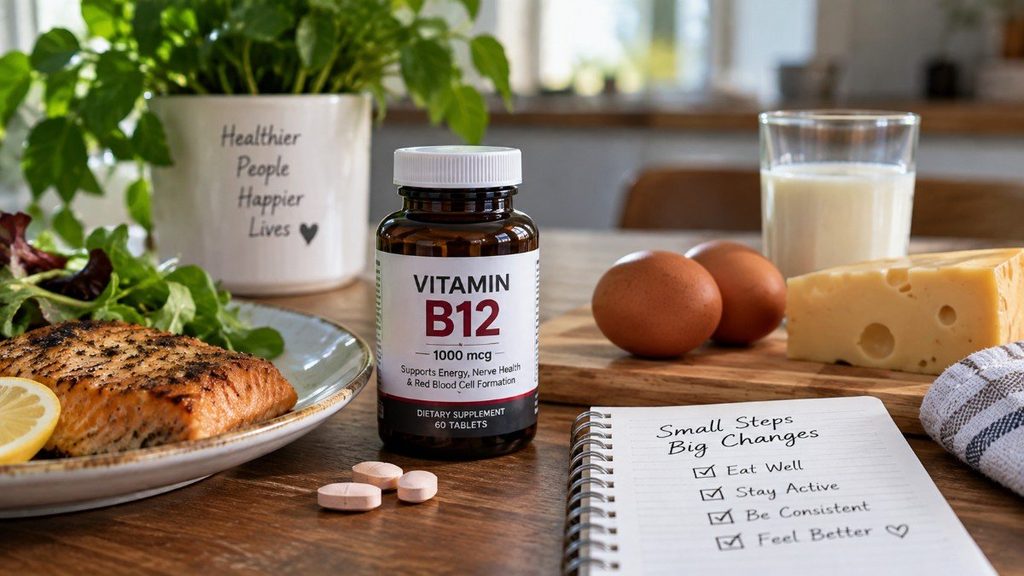
Table of Contents
Fuels Healthy Energy Levels and Fights Fatigue
If you constantly feel drained despite getting a solid eight hours of sleep, a B12 shortfall could be the culprit. Vitamin B12 is a critical player in cellular metabolism, helping convert the food you eat into usable energy. Without adequate amounts, your cells struggle to function at full capacity, leaving you feeling bone-tired and unmotivated by mid-afternoon.
Protects Nerve Function and Cognitive Health
Your nervous system relies heavily on B12 to maintain the myelin sheath—the protective coating that surrounds your nerves and ensures rapid signal transmission. Over time, a severe deficiency can lead to nerve damage, numbness, or tingling in the hands and feet. Keeping your intake steady helps preserve sharp memory, focus, and overall neurological longevity as you age.
Supports Healthy Red Blood Cell Formation
Think of Vitamin B12 as a master builder for your circulatory system. It works alongside folate to produce healthy red blood cells. When B12 levels are low, your body produces abnormally large, poorly functioning red blood cells that struggle to carry oxygen efficiently. This condition, known as megaloblastic anemia, is a primary driver of weakness and pale skin.
Promotes Mood Regulation and Mental Clarity
There is a direct biochemical link between your nutrition and your emotional baseline. B12 is actively involved in synthesizing and metabolizing serotonin and dopamine—the neurotransmitters responsible for regulating mood. Maintaining optimal levels helps keep emotional volatility in check, supporting a more stable, resilient mindset against daily stress.
Contributes to Healthy Skin, Hair, and Nails
While topical creams get a lot of attention, true physical radiance starts at the cellular level. Because B12 plays a major role in cell reproduction and rapid tissue turnover, adequate levels support healthy skin cell regeneration, reduce breakage in hair follicles, and prevent brittle nails.

Supports Long-Term Bone Health
Emerging research highlights a fascinating connection between B12 status and skeletal integrity. Low levels of the vitamin have been linked to lower bone mineral density, which increases the risk of osteoporosis over time. Ensuring your body gets enough B12 helps protect your skeletal framework from premature weakening.
Promotes Heart Health by Managing Homocysteine
Your cardiovascular system benefits significantly from B12’s biochemical housekeeping. This vitamin helps break down homocysteine, an amino acid found in the bloodstream. Elevated homocysteine levels are associated with an increased risk of heart disease. By keeping this amino acid in check, B12 quietly supports long-term cardiovascular resilience.
How Humans Absorb and Get Vitamin B12 Naturally
Getting enough B12 is only half the battle; your body also has to be able to absorb it. The human absorption process is surprisingly complex. When you eat B12-rich foods, stomach acid separates the vitamin from the protein it is bound to. It then binds with a protein called intrinsic factor, produced in the stomach, which allows your small intestine to finally absorb it into the bloodstream.
Because of this intricate pathway, gut health and stomach acid levels play a massive role in your overall B12 status. To keep your levels topped up naturally, focus on wholesome food sources:
- Animal Proteins: Meat, poultry, fish (especially salmon and tuna), and organ meats are naturally rich in B12.
- Dairy and Eggs: Milk, yogurt, cheese, and whole eggs provide reliable daily amounts for vegetarians.
- Fortified Foods: Plant-based eaters can look to fortified nutritional yeasts, plant milks, and breakfast cereals designed to bridge the gap.
Tuning Into Your Nutritional Needs
Your body relies on a delicate balance of nutrients to run smoothly, and Vitamin B12 is an irreplaceable pillar of that system. Whether you are aiming to sharpen your focus, boost your daily energy, or support long-term nerve health, paying attention to your B12 intake pays off. If you suspect you might be running low or experience persistent fatigue, consult a qualified healthcare professional. A simple blood test can clarify your levels and help you map out the best nutritional path forward.