
Aging Slows the Brain’s Nighttime Cleaning System
A human neuroimaging study published in November 2026 shows that the rhythmic waves of cerebrospinal fluid (CSF) that wash through the brain during deep sleep become substantially weaker in older adults. While headlines often frame this finding as a warning that aging inevitably clogs the brain with waste, the underlying data tell a more nuanced story: the slowdown is driven by a combination of weaker deep-sleep brain waves and stiffer blood vessel responses, and some older adults retain fluid waves just as strong as those seen in people in their twenties and thirties.
Research published in Nature Aging found that older adults (ages 60 to 83) experience markedly smaller sleep-driven cerebrospinal fluid waves than younger adults (ages 18 to 39). Two age-related shifts explain part of this drop: reduced slow-wave electrical activity during non-REM sleep and less responsive blood vessel dilation. Although scientists have not yet proven that boosting these fluid waves prevents dementia in humans, protecting deep sleep and cardiovascular health remains the most practical way to support nighttime brain physiology.
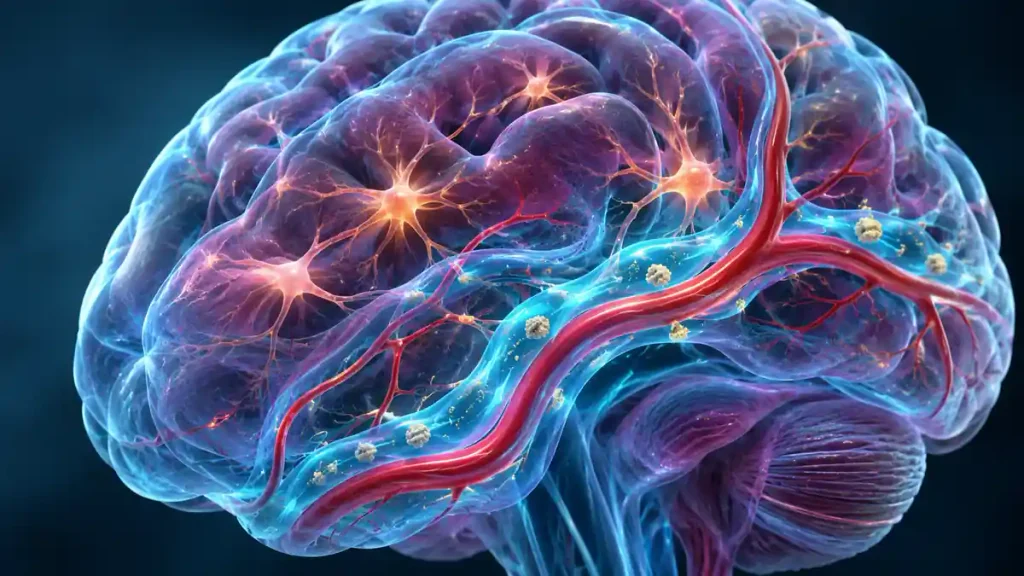
What the November 2026 MIT Study Actually Found
To understand how aging affects brain fluid movement during rest, researchers led by neuroscientist Laura Lewis at the Massachusetts Institute of Technology (MIT) tracked brain activity, blood flow, and fluid dynamics simultaneously in sleeping volunteers. The peer-reviewed study, The aging human brain exhibits reduced hemodynamic and cerebrospinal fluid flow waves during sleep (Nature Aging), was published on November 13, 2026.
The researchers recruited two groups of cognitively healthy adults: 31 younger participants aged 18 to 39 and 41 older participants aged 60 to 83. Volunteers entered an MRI scanner late at night while wearing an electroencephalogram (EEG) cap so the team could measure electrical brain waves alongside blood volume shifts and CSF movement into and out of the brain’s fourth ventricle.
The measurements revealed a clear age gap during non-rapid eye movement (non-REM) sleep:
- Younger adults (ages 18–39): When participants entered non-REM sleep, low-frequency CSF wave power increased by an average of 3.82 decibels alongside strong slow electrical brain waves.
- Older adults (ages 60–83): Low-frequency CSF wave power increased by an average of only 1.15 decibels during non-REM sleep—a shift that was not statistically significant compared with wakefulness.
- Individual variation: Not every older adult showed the same decline; a subset of participants in the 60-to-83 group maintained strong, youthful CSF waves during sleep.
How the Brain’s Nighttime Fluid System Works
During waking hours, active brain cells generate metabolic byproducts, including soluble proteins such as amyloid-beta and tau. As outlined in the Cleveland Clinic overview of the glymphatic system, a network of fluid channels surrounding blood vessels uses cerebrospinal fluid to wash these metabolic waste products out of brain tissue primarily while you sleep.
Rather than flowing at a steady trickle, CSF moves in coordinated pulses powered by two linked steps:
- Slow electrical brain waves: During deep non-REM sleep, neurons synchronize into slow, sweeping electrical oscillations.
- Blood volume shifts: As neural activity quiets down between waves, blood flow briefly decreases and blood vessels constrict, creating space that draws pulses of CSF upward into the brain.
In the 2026 MIT study, researchers tested blood vessel responsiveness while participants were awake using a visual checkerboard stimulus and a brief breath-hold task. Older adults showed blunted blood flow responses to both challenges, indicating that age-related changes in vascular reactivity—alongside weaker deep-sleep brain waves—reduce the mechanical pumping action that drives CSF movement.
What the Evidence Does—and Does Not—Show
Because amyloid-beta and tau proteins are closely tied to Alzheimer’s disease, media coverage often jumps straight from slower fluid waves to dementia inevitability. Separating what researchers directly measured from what remains unproven helps put the findings in perspective.
| Question | What Current Evidence Shows | What Remains Unproven |
| Does CSF wave power decline with age? | Yes. In the 2026 MIT study of 72 adults, average sleep-related CSF wave power was significantly lower in the 60–83 age group than in the 18–39 group. | Researchers studied a single two-hour late-night scan session rather than full-night sleep across years, so individual trajectories over time are still unknown. |
| Does slower CSF flow directly cause Alzheimer’s disease? | Animal studies and human observational data link disrupted sleep and reduced waste clearance to higher protein accumulation and dementia risk. | The 2026 study did not measure actual protein clearance rates or track who developed dementia; it remains unclear whether weaker CSF waves cause cognitive decline or reflect early brain aging. |
| Can sound stimulation or devices restore brain cleaning? | In a separate experimental study of 14 healthy adults, timed bursts of pink noise boosted slow waves and CSF pulses without waking participants. | Closed-loop acoustic devices have not yet been tested in older adults to prove they clear toxic proteins or preserve memory. |
As noted in the National Institute on Aging report on sleep and Alzheimer’s risk, scientists view the relationship between poor sleep and neurodegenerative brain changes as bidirectional: disrupted sleep may contribute to protein buildup, while early, symptom-free brain changes can also fragment deep sleep.
What Most Articles Leave Out: Vascular Health and Sleep Disorders Matter More Than “Brain Detox” Hacks
Many wellness blogs treat the glymphatic system as something you can “flush” with a specific supplement, herbal tea, or sleeping position. In human physiology, no food, supplement, or commercial gadget has been proven to clear metabolic waste from the brain.
Instead, the 2026 MIT findings point toward two modifiable foundations that actually govern CSF pumping:
- Cardiovascular and cerebrovascular fitness: Because rhythmic expansion and contraction of cerebral blood vessels help propel CSF, conditions that stiffen arteries—such as uncontrolled high blood pressure, diabetes, and chronic inactivity—directly affect the vascular side of nighttime fluid movement.
- Untreated sleep disorders: Obstructive sleep apnea causes repeated nighttime awakenings and drops in blood oxygen that fragment slow-wave sleep and strain cerebral blood vessels. Treating sleep apnea restores deep sleep continuity far more reliably than any over-the-counter sleep aid.
Practical Steps to Protect Deep Sleep as You Age
While adults over 60 naturally spend less time in deep slow-wave sleep than young adults, National Institute on Aging sleep guidelines for older adults confirm that older adults still need 7 to 9 hours of sleep per night and can improve sleep depth through consistent daily habits:
- Anchor your wake time and morning light: Waking up at the same time every day—including weekends—and getting outdoor daylight within an hour of waking strengthens circadian signals that deepen nighttime non-REM sleep.
- Keep your bedroom cool, dark, and quiet: A slightly cool room temperature supports the natural drop in core body temperature needed to enter and sustain slow-wave sleep.
- Time exercise for earlier in the day: Regular aerobic and resistance exercise is associated with deeper slow-wave sleep and healthier blood vessel reactivity, provided vigorous workouts finish at least three hours before bedtime.
- Limit alcohol and late-day caffeine: Even small amounts of alcohol in the evening suppress deep slow-wave sleep and increase nighttime awakenings during the second half of the night, while caffeine late in the day delays sleep onset.
- Use caution with sedating sleep medications: Prescription sleeping pills and over-the-counter antihistamine sleep aids can sedate the brain without reproducing natural slow-wave architecture and carry risks of daytime grogginess, falls, and dependence in older adults.
When to Talk to a Doctor
Occasional lighter sleep is common with age, but persistent daytime fatigue or fragmented nights warrant a medical evaluation rather than self-treatment. Consider bringing a two-week sleep diary to your primary care clinician if you experience loud snoring, gasping during sleep, morning headaches, restless legs at bedtime, or ongoing memory and concentration changes.
Frequently Asked Questions
Does aging stop the brain’s nighttime cleaning system completely?
No. The November 2026 MIT study found that average cerebrospinal fluid waves during sleep are smaller in adults aged 60 to 83 than in younger adults, not absent. Several older participants in the study still showed fluid wave strength comparable to participants in their twenties and thirties.
Does sleeping on your side improve glymphatic brain clearance in humans?
Animal studies in rodents have suggested that side-sleeping postures may facilitate cerebrospinal fluid transport compared with sleeping flat on the back or stomach, though large clinical trials have not yet confirmed whether sleep position changes dementia risk in humans. If side sleeping is comfortable and helps reduce snoring or mild airway obstruction, it is a safe habit, but it should not replace medical evaluation for sleep apnea.
Can supplements or “brain detox” products boost cerebrospinal fluid flow?
There is no clinical evidence that dietary supplements, teas, or commercial “detox” regimens increase glymphatic clearance or remove amyloid-beta from the human brain. Supporting deep non-REM sleep and managing blood pressure, blood sugar, and cardiovascular health remain the evidence-backed ways to protect brain blood vessels and sleep quality.
Should older adults take melatonin or sleeping pills to get more deep sleep?
According to the National Institute on Aging, there is no scientific evidence that sleeping pills reduce the risk of Alzheimer’s disease or restore natural slow-wave brain cleansing. Because over-the-counter supplements and prescription sedatives can interact with other medications and increase fall or confusion risks in older adults, always review them with a doctor or pharmacist before use.