Measles Symptoms in Adults: What to Watch For
Most adults think of measles as a pediatric relic—something confined to black-and-white photos or childhood vaccination cards filed away decades ago.
That assumption makes an adult infection deceptively dangerous.
When measles strikes in adulthood, it hits harder, lasts longer, and carries a significantly higher rate of complications than it typically does in school-age children. Because the disease was declared eliminated in the United States in 2000, very few adults under fifty have ever seen an active case in person. When high fever and respiratory distress suddenly arrive, almost everyone defaults to suspecting a nasty strain of influenza, RSV, or COVID-19.
By the time the characteristic skin eruption appears, several days of peak viral shedding have already passed.

Table of Contents
Why the Initial Signs Deceive Adults
The incubation period for the rubeola virus spans roughly 10 to 14 days following exposure. During that window, nothing happens. You feel normal. You commute, work, and go to the gym.
Then the prodromal phase arrives without warning.
In adults, this early phase is dominated by a relentless, high fever—frequently spiking above 104°F (40°C)—alongside what clinical medicine calls the “three Cs”:
- Cough: Persistent, dry, and barking. It mimics acute bronchitis and rarely responds to over-the-counter suppressants.
- Coryza: Profuse, watery nasal drainage that feels like an aggressive seasonal allergy flare-up or severe head cold.
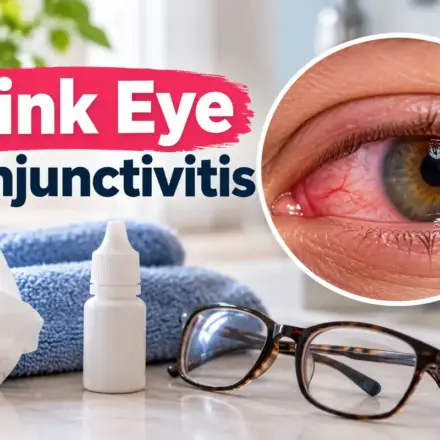
- Conjunctivitis: Bloodshot, inflamed, watery eyes accompanied by notable photophobia (extreme sensitivity to indoor and natural light).
This prodromal stage lasts three to five days. During this window, you are already highly contagious, yet there is no rash to ring the diagnostic alarm bells.
The Subtle Warning Sign Inside Your Mouth
Before any marks show up on your forehead or neck, an early diagnostic marker often appears where almost nobody thinks to look: inside the mouth.
They are called Koplik spots.
Occurring two to three days before the skin rash, these lesions look like tiny grains of white sand or salt crystals resting on an inflamed, red mucosal background. They cluster on the inside of the cheeks, right opposite the lower molars.
They do not hurt, and they disappear within 24 to 48 hours as the external rash starts to emerge. If an adult with a spiking fever and burning eyes notices these strange white flecks while brushing their teeth, that is a glaring clinical indicator pointing directly toward measles.
Tracking the Rash: Progression and Appearance
The rash does not emerge everywhere at once. It follows a distinct anatomical trajectory that helps clinicians differentiate measles from allergic drug reactions, scarlet fever, or adult-onset viral rashes like roseola or enterovirus.
| Phase | Timing | Typical Location & Physical Characteristics |
| Early Emergence | Day 3 to 5 of illness | Begins along the hairline, behind the ears, and high on the neck. Flat red spots (macules) that blanch under pressure. |
| Peak Spread | 24 to 48 hours later | Cascades downward over the chest, back, torso, and finally reaches the hands and feet. Spots enlarge and merge into blotchy red patches (confluent rash). |
| Resolution | Day 7 to 9 of illness | Fades in the exact sequence it arrived—face first, legs last. Spots leave behind a temporary, brownish discoloration and subtle flaking skin. |
Unlike chickenpox, measles lesions do not turn into blistered, fluid-filled pustules. They are flat to slightly raised, warm to the touch, and blotchy.
Adults frequently report significant swelling in facial tissues during peak spread, accompanied by intense physical exhaustion that makes even sitting upright difficult.
Why Measles Is Harsher on Adults Than Children
A common misconception is that childhood diseases are milder simply because the virus is “geared” toward young immune systems. The opposite is true. In adults, the immune system mounts a massive inflammatory counterattack that can cause collateral damage to lung and brain tissue.
Complications in adult populations require close clinical attention:
- Severe Secondary Bacterial Pneumonia: The measles virus infects the respiratory epithelium, destroying the microscopic cilia that sweep debris out of your airways. This leaves the lungs wide open to opportunistic bacterial invaders, making pneumonia the most common cause of measles-related mortality.
- Liver Enzyme Spikes (Hepatitis): Mild transaminase elevation is frequent, but symptomatic liver inflammation with nausea and right-upper-quadrant abdominal soreness occurs much more often in adults than in young children.
- Acute Encephalitis: Affecting approximately 1 in every 1,000 cases, acute swelling of the brain can produce seizures, confusion, or long-term neurological deficits. It can emerge either during the rash phase or several weeks into apparent recovery.
- Immune Amnesia: One of the most insidious consequences of measles is its ability to wipe out existing immune memory. The virus infects and depletes memory B and T cells, resetting parts of your acquired immunity and leaving you vulnerable to other unrelated bacterial and viral infections for months or even years following recovery.
Who Among US Adults Is Actually at Risk?
Most American adults are protected, but protection is not absolute across all demographics:
- Born Before 1957: Generally considered immune from natural childhood exposure during decades when the virus circulated freely.
- Vaccinated Between 1963 and 1967: Some people received an early, inactivated (“killed”) measles vaccine that failed to provide durable, long-term immunity. Many individuals in this bracket require revaccination with the modern live MMR vaccine.
- Single-Dose Recipients (Late 1960s to 1989): Before standard guidance shifted to a two-dose schedule in 1989, many adults received only one dose of the MMR vaccine. While one dose provides roughly 93% protection, two doses bump that efficacy to roughly 97%.
- Unvaccinated or Immunocompromised Adults: Those who skipped vaccination due to personal choices, medical contraindications, or who take immunosuppressive drugs for autoimmune conditions or cancer face the highest risk of severe clinical courses.
A routine blood test called a measles IgG titer can definitively verify whether your existing antibody levels still confer robust immunity.
What to Do If You Suspect an Infection
If you develop a sudden high fever, inflamed eyes, a harsh cough, and a downward-spreading rash—especially after international travel or known regional exposure—handling the healthcare encounter properly is vital.
Do not simply walk into an urgent care clinic or emergency room waiting area.
Measles is one of the most infectious airborne pathogens known to science. The virus remains suspended and active in indoor air for up to two hours after an infected individual has left the room.
Call your doctor’s office, clinic, or emergency department before you leave the house. Tell them clearly that you are experiencing symptoms consistent with measles. This allows staff to meet you with appropriate PPE, guide you directly into an airborne infection isolation room (AIIR), and prevent exposing vulnerable patients in the shared lobby.