High Blood Pressure: Symptoms, Causes, Stages, and What Your Numbers Mean
High blood pressure, or hypertension, is one of the most common chronic conditions managed in modern healthcare, yet it is widely misunderstood. Often called the “silent killer,” it rarely produces noticeable warning signs in its early stages, meaning many people live with elevated readings for years without realizing it.
Understanding what your blood pressure numbers actually mean, why readings fluctuate, and how clinicians diagnose and manage the condition is essential for long-term cardiovascular health.
Table of Contents
What Do Your Blood Pressure Numbers Mean?
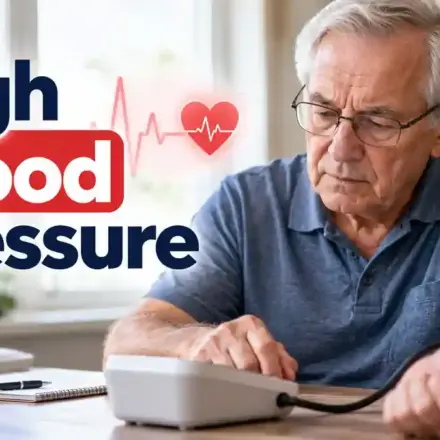
Blood pressure is measured using two numbers, typically expressed as a ratio (for example, 120/80 mmHg). Each number measures a different aspect of the force exerted against your artery walls as your heart pumps blood through your body.
- Systolic pressure (the top number): This measures the pressure in your arteries when your heart beats and contracts to push blood out.
- Diastolic pressure (the bottom number): This measures the pressure in your arteries when your heart rests between beats, filling with blood.
According to current guidelines from major health organizations, including the American College of Cardiology and the American Heart Association, blood pressure readings are categorized into distinct stages:
| Category | Systolic (Top Number) | Diastolic (Bottom Number) | |
| Normal | Less than 120 mmHg | and | Less than 80 mmHg |
| Elevated | 120–129 mmHg | and | Less than 80 mmHg |
| Stage 1 Hypertension | 130–139 mmHg | or | 80–89 mmHg |
| Stage 2 Hypertension | 140 mmHg or higher | or | 90 mmHg or higher |
| Hypertensive Crisis | Higher than 180 mmHg | and/or | Higher than 120 mmHg |
A single elevated reading does not automatically mean you have hypertension. Blood pressure fluctuates naturally throughout the day in response to physical activity, stress, caffeine, temperature, and even the posture you hold when measured. A formal diagnosis typically requires multiple elevated readings taken across separate clinical visits.
Why Is High Blood Pressure Called a “Silent Killer”?
The vast majority of people with high blood pressure experience no symptoms at all. You cannot reliably feel when your blood pressure is high.
A common misconception is that high blood pressure causes frequent headaches, nosebleeds, dizziness, or facial flushing. While an extremely sudden, dangerous spike in blood pressure (known as a hypertensive crisis) can cause symptoms like severe headache, shortness of breath, chest pain, or visual changes, routine hypertension does not. Relying on how you “feel” to gauge your blood pressure is unsafe; regular screening with a cuff is the only reliable way to know your status.
Over time, untreated high blood pressure forces the heart to work harder and gradually damages the delicate inner lining of the arteries. This can lead to hardened or narrowed blood vessels, increasing the risk of stroke, heart attack, heart failure, and chronic kidney disease.
Causes and Risk Factors: Primary vs. Secondary Hypertension
Hypertension is generally divided into two main categories based on its underlying cause:
1. Primary (Essential) Hypertension
For about 90% to 95% of adults with high blood pressure, no single, identifiable cause can be found. This is called primary or essential hypertension. It tends to develop gradually over many years, driven by a complex mix of genetics, age-related stiffening of the arteries, and lifestyle factors.
Common risk factors include:
- Family history: A parental or sibling history of high blood pressure increases your likelihood of developing it.
- Age: The risk rises as you get older, as blood vessels naturally lose elasticity over time.
- Dietary sodium: Consuming high amounts of sodium can increase fluid retention and blood pressure in salt-sensitive individuals.
- Physical inactivity: A sedentary lifestyle contributes to higher heart rates and stiffer arteries.
- Excess weight: Carrying extra weight forces the heart to pump harder to supply blood to body tissues.
- Alcohol and tobacco use: Heavy alcohol consumption and smoking or vaping tobacco can acutely raise blood pressure and damage arterial walls.
2. Secondary Hypertension
For a smaller percentage of patients, high blood pressure is caused by an underlying medical condition or a specific medication. Secondary hypertension often appears suddenly and causes higher blood pressure readings than primary hypertension.
Potential causes include:
- Kidney disease
- Obstructive sleep apnea
- Thyroid disorders
- Certain endocrine tumors
- Medications such as nonsteroidal anti-inflammatory drugs (NSAIDs), certain decongestants, or oral contraceptives
Practical Management and Treatment Approaches
Managing high blood pressure usually involves a combination of lifestyle modifications and, when necessary, prescription medications.
Lifestyle Foundations
Even when medication is prescribed, lifestyle adjustments remain a cornerstone of blood pressure management:
- Dietary changes: Emphasizing fruits, vegetables, whole grains, and low-fat dairy while reducing sodium intake.
- Regular aerobic exercise: Engaging in consistent physical activity, such as brisk walking, swimming, or cycling, helps strengthen the cardiovascular system.
- Weight management: Gradual, sustainable weight loss can significantly lower blood pressure in individuals carrying excess weight.
- Moderating alcohol: Limiting alcohol intake to moderate levels according to current health guidelines.
Medical Therapy
If lifestyle modifications are insufficient to bring blood pressure into a safe range, clinicians may prescribe one or more classes of medications, such as ACE inhibitors, angiotensin receptor blockers (ARBs), calcium channel blockers, or thiazide diuretics. These drugs work through different mechanisms—such as relaxing blood vessels or helping the body eliminate excess sodium and water—to reduce the force of blood against arterial walls.
When to Seek Urgent Medical Attention
While routine high blood pressure does not cause acute symptoms, a hypertensive crisis is a medical emergency.
If your blood pressure reading exceeds 180/120 mmHg, wait a few minutes and retest. If it remains persistently high and is accompanied by any of the following “red flag” symptoms, call 911 or seek emergency medical care immediately:
- Severe headache
- Chest pain or tightness
- Shortness of breath
- Sudden changes in vision
- Numbness, weakness, or difficulty speaking
- Confusion
Sources
- Centers for Disease Control and Prevention (CDC). High Blood Pressure Symptoms and Causes.
- American Heart Association (AHA) / American College of Cardiology (ACC). Guideline for the Prevention, Detection, Evaluation, and Management of High Blood Pressure in Adults.
- National Heart, Lung, and Blood Institute (NHLBI). High Blood Pressure.