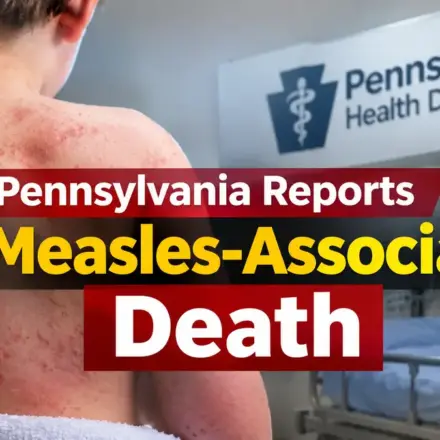
Infant Dies from Measles Amid Outbreak in Southwestern Wisconsin
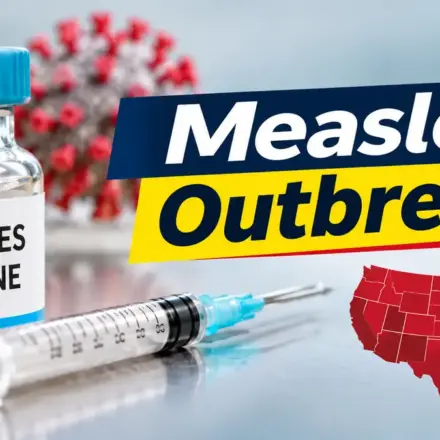
State public health officials confirmed the death of an infant linked to an ongoing measles outbreak in southwestern Wisconsin. This marks the state’s first reported measles-related fatality in more than 30 years, coming at a time when statewide cases have climbed past 430, the vast majority occurring among unvaccinated individuals.
For parents, pediatricians, and public health professionals, the loss of an infant to a preventable airborne virus is both heartbreaking and a stark clinical warning. Infants under 12 months are biologically the most vulnerable population in any measles outbreak: they are too young for the standard childhood vaccination schedule, their maternally derived antibodies diminish rapidly after birth, and their developing immune systems face higher risks of severe pulmonary and neurological complications.
Understanding the progression of measles, why young babies face distinct physical vulnerabilities, and what immediate steps families can take during active outbreaks provides vital clarity during a growing public health challenge.

Essential Takeaways for Families
- What Happened: Wisconsin health authorities confirmed an infant death tied to a cluster of over 400 measles cases centered across southwestern counties. Over 99% of infected individuals in this outbreak were unvaccinated.
- The Vulnerability Window: Standard MMR (Measles, Mumps, Rubella) vaccination begins at 12 months, leaving younger babies dependent on community immunity and maternal antibody levels that often decline within months of birth.
- Early Early-Dose Guidance: During recognized community outbreaks or prior to international travel, CDC guidelines recommend that infants aged 6 through 11 months receive an early dose of the MMR vaccine.
- Critical Protocol: If you suspect measles exposure, call your pediatrician or local emergency department before walking into a waiting room to avoid contaminating public spaces.
What Happened in Wisconsin: The Outbreak at a Glance
The Wisconsin Department of Health Services (DHS) reported that the infant’s cause of death was formally classified as measles by the local coroner. Health departments across Grant, Iowa, Lafayette, and neighboring counties have tracked 431 confirmed cases, resulting in multiple hospitalizations.
Measles is one of the most contagious infectious diseases known to medicine. The virus travels through respiratory aerosols and can remain suspended and infectious in airborne pockets or on surfaces for up to two hours after an infected individual has left the room. A single person with measles can infect up to 9 out of 10 susceptible individuals who come into close contact.
Maintaining broad community resistance requires an immunization threshold of approximately 95%. When regional immunization rates dip below that line, localized transmission can accelerate, exposing vulnerable groups who cannot yet be vaccinated.
Building a well-rounded baseline of preventative wellness is essential for every household. For parents managing everyday household well-being, exploring strategies for family immune health and everyday nutrition helps establish strong health practices at home.
Why Infants Under 12 Months Face the Greatest Danger
Young infants face a triple threat during community outbreaks: timing gaps in vaccination, waning maternal protection, and small airway anatomy.
1. The Vaccination Timing Gap
The routine MMR vaccine schedule recommended by the American Academy of Pediatrics (AAP) schedules dose one between 12 and 15 months of age, followed by a booster dose between ages 4 and 6. Giving the routine vaccine before 12 months is usually avoided under non-outbreak conditions because lingering maternal antibodies can neutralize the weakened live virus in the vaccine before the infant’s own immune system builds long-lasting memory cells.
2. Waning Maternal Antibodies
Newborns receive passive antibodies across the placenta during the third trimester if the mother has measles immunity. However, maternal IgG antibodies break down naturally, often dropping below protective thresholds between 3 and 6 months of age. That leaves a critical multi-month window where babies have neither maternal antibodies nor active vaccine protection.
3. Severe Respiratory and Neurologic Complications
Measles is not simply a high fever accompanied by a rash. In infants, the virus frequently attacks mucosal linings throughout the respiratory tract and compromises systemic white blood cells. Common and life-threatening complications include:
- Severe Viral and Bacterial Pneumonia: Pneumonia is the leading cause of measles-related mortality in young children. The measles virus can directly cause giant-cell pneumonitis or cause secondary bacterial pneumonia by destroying respiratory cilia.
- Acute Encephalitis: Brain inflammation can develop quickly, leading to seizures, permanent neurological impairment, or deafness.
- Subacute Sclerosing Panencephalitis (SSPE): A rare, fatal degenerative central nervous system disease that develops 7 to 10 years after an initial measles infection. Research published through the National Institutes of Health (NIH) indicates that children infected before the age of one face a significantly higher risk of developing SSPE later in life.
For parents monitoring routine childhood milestones and preventive pediatric care, reading our overview on childhood developmental wellness and preventive care provides practical guidance on scheduling clinical visits.
Recognizing Measles Symptoms: Prodrome vs. Rash
Measles symptoms typically appear 7 to 14 days after exposure, following a distinct two-phase pattern.
| Phase | Timeline | Hallmarks & Clinical Signs |
| Prodrome (Early Phase) | Days 1–4 | High fever (often spiking >104°F/40°C), followed by the classic “3 Cs”: Cough, Coryza (profuse runny nose), and Conjunctivitis (red, watery, light-sensitive eyes). |
| Koplik Spots | Days 2–3 | Tiny, sand-like white or bluish-white spots with red halos inside the mouth along the inner cheek lining. These are unique to measles. |
| Exanthem (Rash Phase) | Days 3–5 | Flat red spots that begin along the hairline and behind the ears, then spread downward across the face, neck, trunk, arms, legs, and feet. |
In infants, early symptoms can easily be confused with common pediatric viruses like RSV, parainfluenza, or human metapneumovirus. If your infant exhibits sudden breathing difficulties, unexplained lethargy, or refusal to nurse, reviewing our guide on evaluating respiratory viral symptoms in infants can help you identify warning signs that warrant immediate clinical attention.
How Families Can Protect Infants During an Outbreak
When measles spreads locally, families with infants must shift from general precautions to targeted risk reduction.
1. Evaluate Early MMR Dosing (6 to 11 Months)
If you reside in a community with an active measles outbreak or plan to travel internationally, discuss an early MMR dose with your pediatrician.
- The CDC Advisory Committee on Immunization Practices (ACIP) recommends that infants aged 6 through 11 months receive one dose of MMR vaccine if traveling abroad or living within an active outbreak zone.
- Note: This early dose does not count toward the standard two-dose series. Your infant will still need their routine dose at 12–15 months and the second dose at 4–6 years to ensure long-term immunity.
2. Reinforce the “Cocooning” Strategy
Because infants cannot protect themselves, surrounding adults and older siblings must serve as an immune firewall.
- Parents, grandparents, babysitters, and older children should check their immunization records.
- Adults born in or after 1957 who received an older, killed-virus vaccine between 1963 and 1967, or who are unsure of their vaccination history, should talk to their doctor about receiving an updated MMR booster or having an IgG titer drawn.
- Maintaining optimal household nutrition and balanced lifestyle habits also supports baseline immune defenses; see our recommendations on nutrient-rich diets and immune function.
3. Post-Exposure Prophylaxis (PEP)
If an unvaccinated infant has a confirmed exposure to measles, medical intervention must happen immediately:
- Immune Globulin (IG): Infants under 12 months who are exposed to measles can receive intramuscular Immune Globulin within six days of exposure. IG provides immediate, passive antibodies that can prevent infection or substantially reduce disease severity.
- Early MMR: For infants aged 6 to 11 months, administering an MMR dose within 72 hours of initial exposure can also provide protection.
Safe Medical Protocol: How to Seek Care Without Endangering Others
Because measles particles linger in the air for up to two hours, walking directly into an urgent care or pediatric clinic waiting room risks exposing dozens of other families, pregnant women, and vulnerable infants.
If you suspect your child has measles:
- Call Ahead First: Inform the triage nurse or receptionist that you are concerned about measles based on symptoms or known community exposure.
- Follow Facility Arrival Instructions: Many clinics will have you enter through an isolated entrance, place a surgical mask on individuals over age two, or perform the initial evaluation outside in your vehicle.
- Isolate at Home: Keep suspected household members strictly home from daycare, school, and work until cleared by public health officials or a physician.
Managing stress during local public health warnings can feel overwhelming for parents. If community health updates are increasing your stress levels, our practical advice on managing family anxiety and stress offers grounding strategies to keep daily life manageable.
Frequently Asked Questions
Can an infant receive the MMR vaccine before 6 months of age?
No. Infants younger than 6 months have immune systems that cannot mount an effective antibody response to the live attenuated virus used in the MMR vaccine. For exposed infants in this age group, doctors rely on intramuscular immune globulin (IG) within six days of exposure to provide temporary passive protection.
How do I know if I am protected as an adult?
Individuals who received two documented doses of MMR vaccine after their first birthday, or who had laboratory-confirmed measles, are generally considered protected for life. Adults unsure of their records can consult their primary care physician to request a simple blood test (measles IgG titer) or safely receive an MMR booster, as recommended by the World Health Organization (WHO).
Does measles cause immune amnesia?
Yes. Medical studies indicate that the measles virus can cause what immunologists refer to as “immune amnesia.” The infection destroys memory B and T cells that previously protected the child against other pathogens like flu or ear infections. This immune reset leaves children more susceptible to unrelated bacterial and viral illnesses for months or even years following recovery.
What should I do if my community reports confirmed cases?
Check the immunization records of everyone in your home, ensure school-age children have their second MMR booster, and check with your pediatrician about community transmission levels if your baby is between 6 and 11 months old. Avoid crowded indoor spaces with poorly ventilated air if your child is completely unvaccinated. To maintain general wellness and physical resilience, discover our guide on hydration, rest, and foundational family health.