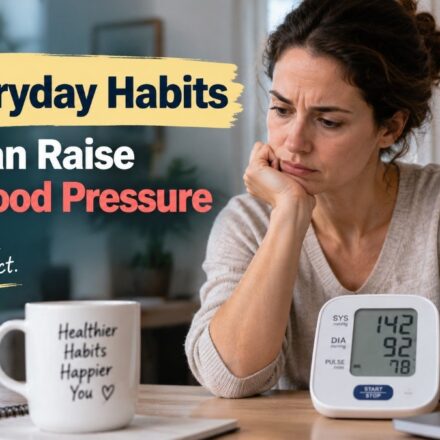
6 Everyday Habits That Can Raise Your Blood Pressure
When you think about high blood pressure, you probably picture major medical risk factors like a heavy family history or chronic underlying illness. But for many people, creeping numbers on the cuff aren’t caused by a single dramatic lifestyle overhaul. Instead, they stem from subtle, everyday routines that blend so seamlessly into our daily lives that we never question them. Blood pressure is remarkably responsive to how we live hour by hour. Recognizing these hidden triggers can give you the power to make small, effective shifts before minor habits turn into long-term concerns that require medical management.

Table of Contents
Consuming High Amounts of Hidden Sodium
Most of us know that adding extra table salt to a finished meal can impact our cardiovascular health, but the vast majority of dietary sodium doesn’t come from the salt shaker. It sneaks in through packaged foods, restaurant meals, canned soups, breads, and sauces. When you consume too much sodium, your body holds onto extra water to maintain balance in your bloodstream. This extra fluid increases the volume pushing against your artery walls, forcing your cardiovascular system to work harder with every single beat.
Chronic Sleep Deprivation
Life gets busy, and sacrificing an hour or two of sleep to finish evening tasks or catch up on shows feels harmless in the moment. However, regular sleep deprivation puts your nervous system on high alert. During a healthy, deep sleep cycle, your blood pressure naturally dips, giving your heart and blood vessels a crucial chance to rest and recover. When you consistently cut your rest short, your body stays in a state of heightened stress, which can keep your resting blood pressure elevated over time.
Staying Sedentary for Hours at a Time
Even if you manage to hit the gym a few times a week, spending the rest of your day entirely glued to a desk chair or couch can quietly undermine your efforts. Prolonged sitting causes your blood circulation to slow down, and over long periods, it can reduce your blood vessels’ natural ability to expand and contract smoothly. Getting up to stretch, walk around, or shift positions every hour helps keep your circulatory system active and prevents that sluggish pooling of blood in your lower extremities.
Running on Low-Grade Daily Stress
We often reserve the word stress for major life events, but our bodies react just as strongly to the daily hum of constant low-level pressure—like endless email notifications, tight work deadlines, and frustrating traffic gridlock. This persistent mental friction keeps stress hormones like cortisol and adrenaline pumping through your system. These hormones cause your blood vessels to temporarily constrict and your heart to beat faster, which can gradually raise your baseline blood pressure if your nervous system never truly gets a chance to unwind.

Overlooking Heavy Daily Caffeine Intake
For many of us, a morning cup of coffee is a sacred ritual, and an extra cup or two helps us power through the afternoon slump. But heavy daily caffeine consumption can trigger a sharp, temporary spike in your blood pressure. While the exact effect varies from person to person—especially depending on how quickly your individual body metabolizes caffeine—relying on multiple strong caffeinated beverages all day long can keep your cardiovascular system in a state of ongoing stimulation.
Living in a State of Mild, Everyday Dehydration
It is remarkably easy to forget to drink plain water when you are caught up in a busy workday, often substituting it with sodas, sweet teas, or coffee. When your body becomes even mildly dehydrated, your blood volume drops, and your brain signals your blood vessels to constrict to maintain adequate blood pressure and circulation. This survival mechanism forces your heart to pump harder to push a smaller volume of blood through tighter channels, creating unnecessary strain day after day.
What You Can Do Next
You do not need to overhaul your entire lifestyle overnight to protect your cardiovascular health. In fact, trying to change too many things at once usually leads to burnout rather than lasting wellness. Start by picking just one habit on this list that feels most relevant to your daily routine—perhaps swapping out a processed snack, going to bed thirty minutes earlier, or setting a reminder to drink a glass of water each afternoon. If you are concerned about your blood pressure or want to track your numbers accurately, schedule a visit with a qualified healthcare professional to get a clear, personalized baseline.