7 Everyday Habits That Can Help Lower Cholesterol
Getting a high cholesterol reading at your annual physical can definitely catch you off guard. For many people, the immediate reaction is panic, followed by the assumption that they need to adopt a flawless, restrictive diet to get their numbers back in line.
The reality is much more manageable. While genetics certainly play a role in your cardiovascular health, your daily routines carry incredible weight when it comes to influencing your lipid panel. You don’t need to completely upend your life to see a difference in your LDL (the “bad” cholesterol) or your HDL (the “good” cholesterol). Instead, focusing on small, sustainable adjustments often yields the best long-term results.
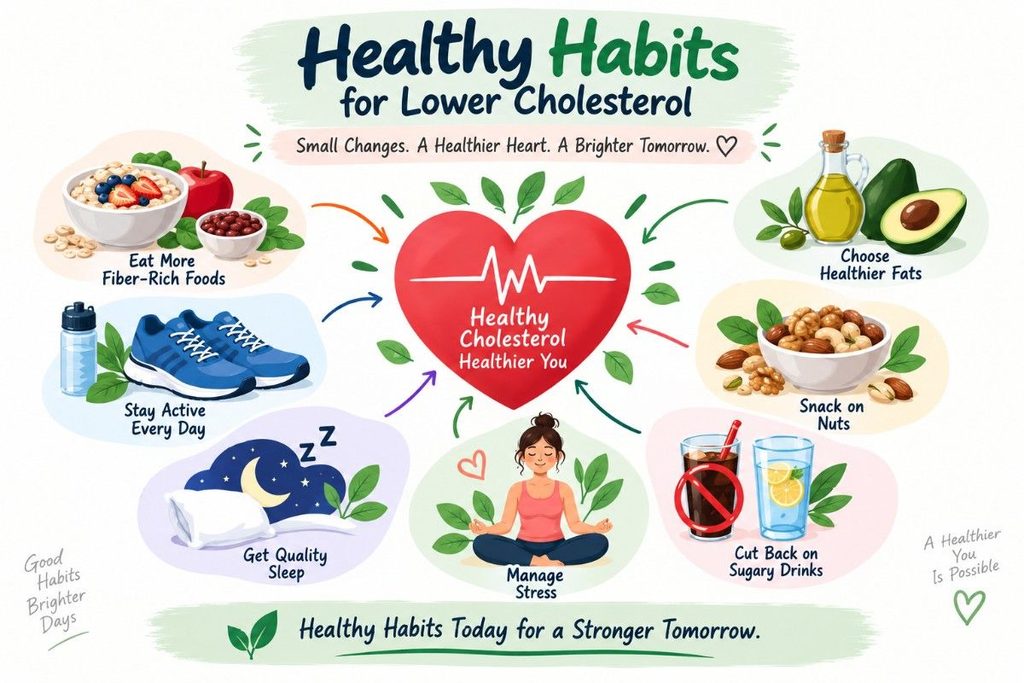
If you are looking to support your heart health, here are seven everyday habits that can help lower cholesterol naturally.
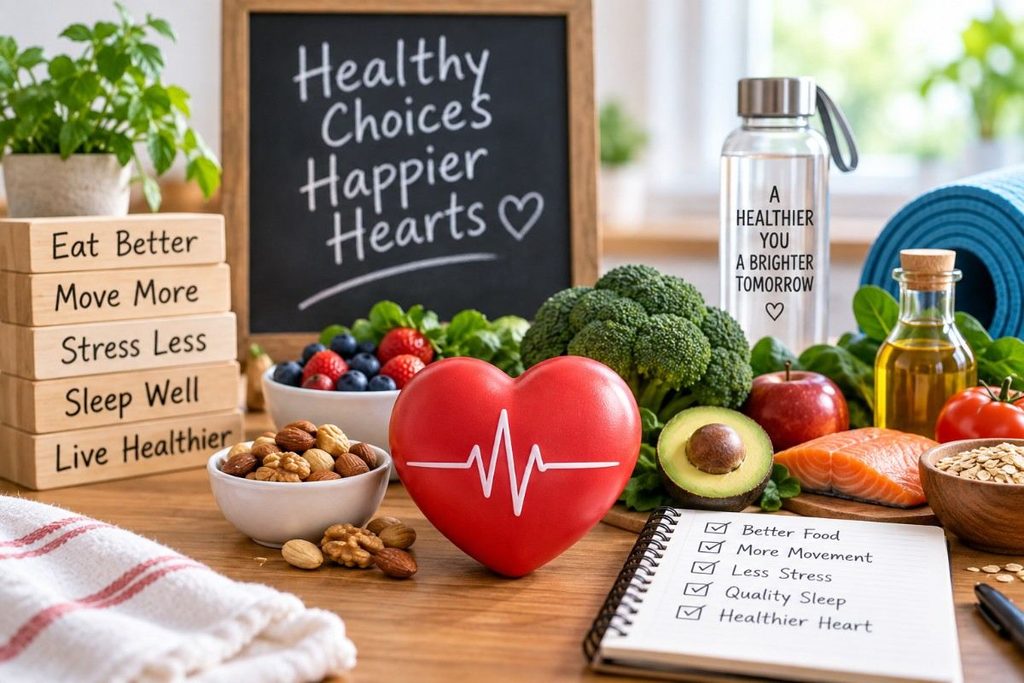
Table of Contents
Front-Load Your Day With Soluble Fiber
Fiber does more than just keep your digestion on track. Soluble fiber, in particular, acts a bit like a sponge inside your digestive tract. It binds to cholesterol particles and helps escort them out of your body before they have a chance to enter your bloodstream.
Starting your morning with a warm bowl of oatmeal is one of the easiest ways to get a solid dose of this nutrient. If you aren’t a fan of oats, you can easily find soluble fiber in foods like black beans, lentils, Brussels sprouts, apples, and pears. Slowly increasing your daily intake can make a noticeable dent in your LDL numbers over time.
Upgrade Your Cooking Fats
For a long time, the prevailing medical advice was to avoid fat entirely if you wanted to protect your heart. Today, we know that it is much more about the type of fat you consume. Saturated fats—found heavily in butter, red meat, and full-fat dairy—are notorious for driving up bad cholesterol.
You don’t have to endure bland, dry meals to be healthy. Just swap out saturated fats for heart-healthy unsaturated fats whenever possible. Try using extra virgin olive oil or avocado oil for cooking and roasting. These healthier fats not only protect your arteries but can also help improve your overall cholesterol ratio.
Make Movement a Daily Standard
We all know exercise is good for us, but it has a very specific mechanism when it comes to cholesterol. Regular aerobic activity is one of the few proven ways to increase your HDL. This good cholesterol acts like a scavenger, roaming your bloodstream to pick up excess bad cholesterol and carry it back to the liver to be processed out.
You don’t need to train for a marathon to get this benefit. The goal is to get your heart rate up for about 30 minutes most days of the week. A brisk walk around the neighborhood, a moderate bike ride, or even a vigorous gardening session all count toward your daily movement.
Snack on a Handful of Nuts
When the mid-afternoon energy slump hits, it is incredibly tempting to reach for a bag of chips or a packaged pastry. Swapping those refined snacks for a handful of nuts is a simple habit that directly supports your heart.
Almonds, walnuts, and pistachios are packed with healthy fats, fiber, and plant sterols—compounds that naturally block the absorption of cholesterol in your gut. Because nuts are calorie-dense, you only need about an ounce (roughly a small handful) a day to reap the cardiovascular benefits without overdoing your daily energy intake.
Rethink Your Sugary Drinks
Most people associate high cholesterol entirely with eating too much fat, but excess sugar is a massive, often-overlooked culprit. When you consume too much added sugar, your liver goes into overdrive, which can increase your triglycerides and lower your protective HDL cholesterol.
Sugary beverages like soda, sweetened iced teas, and certain energy drinks are the primary source of added sugar for many adults. Swapping just one or two of these daily drinks for water, sparkling water, or unsweetened tea removes a significant burden from your metabolic system.
Build in a Stress Buffer
It is easy to forget that our mental state physically impacts our internal chemistry. Chronic, unmanaged stress keeps your cortisol levels elevated over long periods. In response to this constant stress hormone circulation, your liver actually produces more cholesterol.
Finding a way to decompress isn’t just a luxury; it is a necessity for cardiovascular health. This doesn’t have to mean an hour of silent meditation. It might look like reading a chapter of a book, disconnecting from your phone for twenty minutes, or practicing deep breathing in your car before walking into work.
Protect Your Sleep Routine
Sleep is the foundational time when your body repairs itself, and poor sleep habits are increasingly linked to adverse cholesterol profiles. Adults who routinely get less than six hours of sleep a night tend to have higher LDL and lower HDL compared to those who get a full, restorative night’s rest.
Try to prioritize seven to eight hours of quality sleep. Going to bed at roughly the same time every night and keeping your bedroom cool and dark can help regulate your circadian rhythm, giving your body the downtime it needs to process lipids efficiently.
Taking the Next Step
Overhauling your health doesn’t require perfection. If you try to tackle all seven of these habits tomorrow morning, you will likely burn out by the weekend. Instead, pick just one or two areas that feel manageable right now. Maybe you start keeping a bag of almonds in your desk, or you commit to a 20-minute walk after dinner.
As always, lifestyle habits are meant to complement, not replace, professional medical advice. If you have concerns about your heart health or your latest lab results, always consult with your healthcare provider to discuss the best comprehensive approach for your specific situation.