
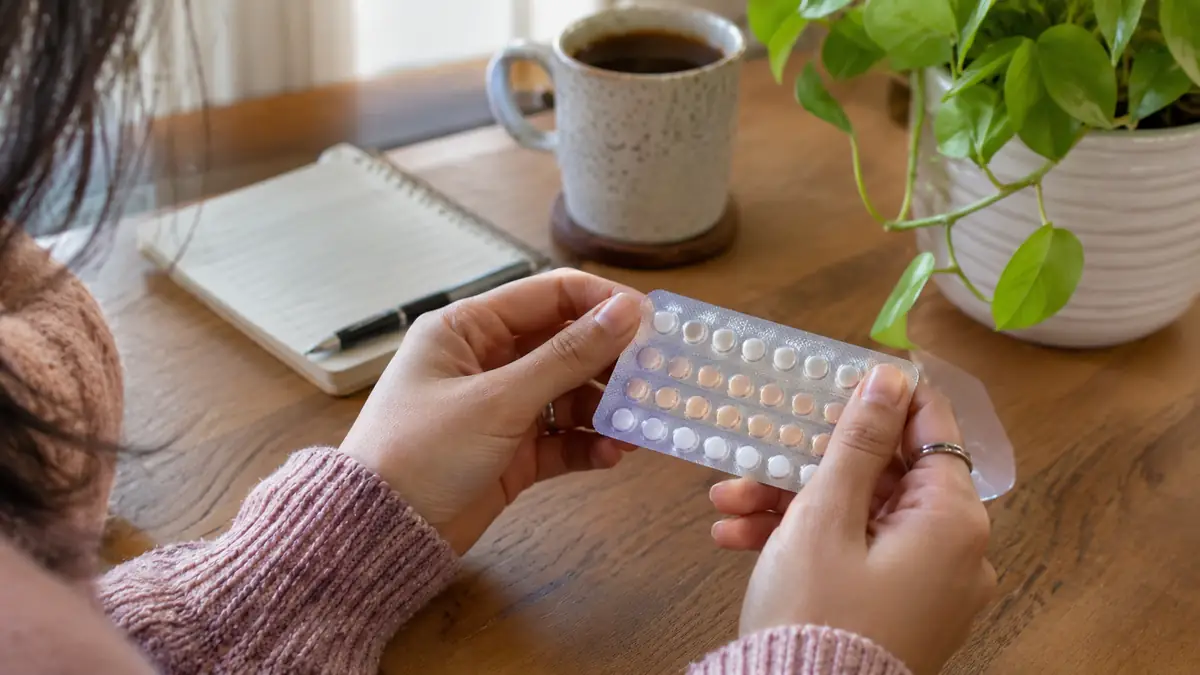
Growing numbers of young women are rethinking the daily birth control pill, driven by concerns about mood changes, weight fluctuations, libido shifts, and a preference for hormone-free birth control. While headlines often frame this trend—widely termed “hormonal hesitancy”—as a sudden rejection of modern medicine, large population surveys show a more nuanced picture: overall contraceptive use is shifting toward long-acting methods, even as misinformation on social media leaves some sexually active young adults without reliable pregnancy prevention.
A November 2026 Lancet analysis of Great Britain’s fourth National Survey of Sexual Attitudes and Lifestyles (Natsal-4) found that hormonal contraception use among women aged 16 to 24 dropped from 64.6% to 50.3% over a decade. In the United States, federal data shows oral contraceptive pills remain one of the top reversible methods, though long-acting reversible contraceptives (LARCs) have gained substantial ground among women in their twenties and thirties. Understanding the difference between legitimate side effects and unsupported claims helps people choose safe, effective contraception.
What Recent Research Shows About Falling Pill Use
The term “hormonal hesitancy” gained widespread attention following the November 2026 publication of five papers in The Lancet detailing findings from Natsal-4, a large, nationally representative observational survey conducted across England, Scotland, and Wales between September 2022 and January 2024. Researchers surveyed roughly 6,700 adults aged 16 to 59 and compared the findings with Natsal-3 data collected between 2010 and 2012.
Among women aged 16 to 24, use of hormonal contraception—including oral pills, implants, and injections—fell from 64.6% in 2010–2012 to 50.3% in 2022–2024. At the same time, use of hormonal intrauterine devices (IUDs) increased from 4% to 10% across all surveyed age groups, though this rise did not fully offset the drop in oral pill use. Nearly one in five women at risk of unintended pregnancy were not using an effective contraceptive method.
What the study can and cannot tell us: Natsal-4 is a cross-sectional population survey of residents in Great Britain; its findings do not directly measure U.S. clinical behavior, nor can an observational survey prove whether social media posts, clinic access barriers, or changing relationship patterns caused the decline. Notably, the proportion of 16- to 24-year-old women reporting they had never had sex also rose from 19% to 38% over the same decade, which lowers immediate contraceptive demand for part of that age group.
How U.S. Contraceptive Trends Compare
In the United States, data from the Centers for Disease Control and Prevention (CDC) National Survey of Family Growth (2022–2023) shows that 54.3% of females aged 15 to 49 were currently using contraception. Among all U.S. females in that age bracket, the most common methods were:
- Female sterilization: 11.5%
- Oral contraceptive pills: 11.4%
- Long-acting reversible contraceptives (LARCs, including IUDs and implants): 10.5%
- Male condoms: 7.1%
In the U.S., LARC adoption has grown steadily over the past 15 years, particularly among women aged 20 to 29 (13.8%) and 30 to 39 (12.4%). Many younger U.S. patients are not abandoning effective birth control altogether; rather, they are trading daily pills for “set-and-forget” options or non-hormonal alternatives.
What Most Articles Leave Out: Systemic vs. Local Hormones
Media coverage often lumps every hormonal contraceptive into a single category, treating a daily estrogen-progestin pill the same way as a hormonal IUD. In practice, how hormones are delivered changes how much hormone enters your bloodstream:
- Combined oral contraceptives (pills, patches, rings): Deliver synthetic estrogen and progestin systemically through the bloodstream to suppress ovulation. Because hormones circulate throughout the body, systemic side effects—such as nausea, breast tenderness, headaches, or mood shifts—are more plausible, and estrogen carries a small, well-documented increase in blood clot risk.
- Progestin-only pills (minipills): Contain no estrogen and work primarily by thickening cervical mucus, though some formulations also suppress ovulation.
- Hormonal IUDs: Release small amounts of levonorgestrel locally inside the uterus. Systemic blood levels are a fraction of those seen with oral pills, meaning many people experience lighter periods (or no periods) with fewer whole-body side effects.
Separating Evidence-Based Side Effects From Common Myths
Online videos frequently blame hormonal birth control for permanent infertility, severe weight gain, or irreversible hormonal damage. Clinical evidence paints a clearer picture of what is supported and what is not:
- Fertility after stopping: Stopping the birth control pill, patch, ring, or IUD does not cause long-term infertility. For most people, ovulation resumes within weeks of stopping oral pills or removing an IUD (injectable medroxyprogesterone acetate is the main exception, as return to fertility can take several months).
- Weight changes: Large systematic reviews of clinical trials have not found strong evidence that combination birth control pills or IUDs cause substantial weight gain for most users, though individual fluid retention or appetite shifts can occur. Depot medroxyprogesterone acetate (the birth control shot) is the only hormonal method consistently linked to modest average weight gain.
- Mood and libido: Some users do experience depressed mood, irritability, or lowered sexual desire on hormonal contraception. Observational studies suggest a small increased risk of starting antidepressants after initiating hormonal contraception, particularly among adolescents, though individual responses vary widely.
- Non-contraceptive medical benefits: For patients managing heavy menstrual bleeding, severe cramps, polycystic ovary syndrome (PCOS), or endometriosis symptoms, hormonal medications are often prescribed specifically to suppress painful ovulation and thin the uterine lining.
Comparing Effective Non-Hormonal and Low-Hormone Alternatives
If you want to avoid synthetic hormones or reduce systemic side effects, efficacy varies widely depending on whether a method relies on daily user action. Typical-use effectiveness figures below reflect CDC U.S. Medical Eligibility Criteria and World Health Organization (WHO) guidance :
| Method | Contains Hormones? | Typical-Use Failure Rate (First Year) | Key Trade-Offs and Considerations |
| Copper IUD | No | Less than 1% | Lasts up to 10–12 years; can cause heavier periods and stronger cramps, especially in the first 3 to 6 months. |
| Hormonal IUD | Yes (local progestin only) | Less than 1% | Lasts 3–8 years depending on brand; typically makes periods much lighter or stops them altogether. |
| External (Male) Condoms | No | ~13% | Readily available without a prescription; the only reversible method listed here that protects against sexually transmitted infections (STIs). |
| Diaphragm or Cervical Cap (with spermicide) | No | ~12%–29% | Must be inserted before intercourse and left in place for at least 6 hours afterward; requires a prescription fitting. |
| Fertility Awareness-Based Methods | No | ~12%–24% (varies by method) | Requires consistent daily tracking of basal body temperature, cervical mucus, or cycle dates; less reliable with irregular cycles. |
Important safety note: Neither hormonal pills nor IUDs protect against HIV or other STIs. Pairing any contraceptive method with condoms is recommended whenever STI exposure is possible.
Who Should Be Cautious With Estrogen-Containing Pills
According to the CDC U.S. Medical Eligibility Criteria for Contraceptive Use, certain medical conditions make estrogen-containing birth control pills unsafe due to elevated risks of blood clots, stroke, or cardiovascular complications:
- Migraine with aura: Estrogen increases ischemic stroke risk in people who experience visual or sensory auras before headaches.
- Smoking at age 35 or older: Combining tobacco use and estrogen over age 35 substantially raises cardiovascular and clot risks.
- History of blood clots or stroke: Previous deep vein thrombosis (DVT), pulmonary embolism, or inherited clotting disorders contraindicate estrogen.
- Uncontrolled high blood pressure: Elevated blood pressure increases stroke and heart attack risk when paired with combined hormonal pills.
- Early postpartum period: Estrogen-containing pills are avoided during the first 3 weeks after giving birth (and up to 6 weeks in people with additional clot risk factors) while clotting risk remains elevated.
In many of these situations, progestin-only methods or non-hormonal copper IUDs remain safe options under a clinician’s guidance.
Questions to Ask Your Healthcare Provider Before Switching Methods
If you are thinking about stopping the pill or exploring hormone-free options, avoid stopping mid-pack without a backup plan if you want to prevent pregnancy. Bring these questions to your next visit:
- Are my symptoms likely linked to my current pill, or could another issue be involved? Fatigue, mood changes, and irregular bleeding overlap with thyroid conditions, iron deficiency, and stress.
- Would a lower-dose pill, a progestin-only option, or a local hormonal IUD reduce my side effects? Switching hormone types or delivery routes often resolves symptoms without giving up high pregnancy protection.
- If I choose a non-hormonal copper IUD, how will it affect my menstrual flow and cramping? Knowing what to expect during the first few months helps you prepare.
- What backup method should I use during the transition so there is no gap in protection? Timing matters when switching between pills, IUDs, and barrier methods.
Frequently Asked Questions
What is “hormonal hesitancy”? Hormonal hesitancy describes growing reluctance among patients—particularly young women—to start or continue hormonal birth control due to concerns about physical or emotional side effects. Public health researchers note that while side-effect experiences are real, online misinformation can sometimes lead people to abandon reliable contraception without adopting an equally effective alternative.
Is it safe to stop taking the birth control pill suddenly? Most healthy people can stop oral contraceptives at the end of a pill pack without medical harm, though stopping mid-pack can trigger irregular breakthrough bleeding. If you are sexually active and do not want to become pregnant, start using condoms or another reliable contraceptive method immediately, as ovulation can return quickly.
What is the most effective non-hormonal birth control? The copper IUD is the most effective reversible non-hormonal contraceptive, with a typical-use failure rate of less than 1% per year according to the World Health Organization. Unlike barrier methods or cycle tracking, it works continuously without requiring action before intercourse.
Can hormonal birth control affect mental health? Yes, for some individuals. While many people notice neutral or improved mood—especially those whose premenstrual symptoms stabilize on continuous hormones—clinical guidance acknowledges that a subset of users experience mood changes or depressive symptoms and benefit from switching formulations or trying non-hormonal methods.
Do fertility tracking apps prevent pregnancy as well as the pill? Typical-use failure rates for fertility awareness-based methods range from roughly 12% to 24% per year, compared with about 7% typical-use failure for oral pills and under 1% for IUDs and implants, per CDC contraceptive effectiveness data. Tracking methods require strict daily consistency and work best for people with predictable menstrual cycles.