Hair Loss and Fatigue: Warning Signs of a Serious Health Condition
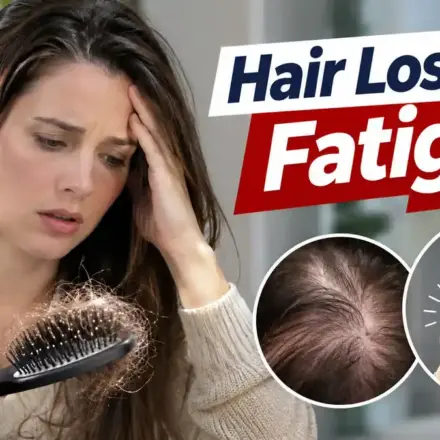
Waking up exhausted day after day is frustrating enough on its own. Finding handfuls of hair in the shower drain or on your hairbrush at the same time transforms an everyday annoyance into genuine worry.
Most people initially treat these issues as two separate problems. Fatigue gets blamed on long work hours, family demands, or poor sleep. Hair thinning is often met with expensive biotin gummies, thickening shampoos, or scalp oils. Yet when shedding and relentless lethargy happen simultaneously, your body is rarely dealing with a cosmetic glitch. It is signaling an internal disturbance.
Hair loss combined with chronic, persistent fatigue is usually not two random problems, but a shared manifestation of an underlying medical condition. The most common culprits include hypothyroidism, hidden iron and ferritin deficiency, autoimmune diseases like lupus or Hashimoto’s, and metabolic or micronutrient imbalances. Identifying the true source requires targeted blood work rather than over-the-counter supplements.

The Biological Link: Why Hair and Energy Suffer Together
Hair production is one of the most metabolically demanding activities in human biology. Hair follicle matrix cells divide rapidly, requiring a continuous supply of cellular energy (ATP), oxygen, protein building blocks, and hormones.
At the same time, hair is not a vital organ. When your body experiences an internal shortage—whether from an underactive gland, poor oxygen transport, systemic inflammation, or severe nutrient depletion—it prioritizes essential organs like the heart, lungs, and brain.
In response, the biological control switch prematurely forces active, growing follicles (the anagen phase) into the resting and shedding state (the telogen phase). Clinicians refer to this widespread, diffuse shedding as telogen effluvium. Because this shift takes about two to three months to visibly show, the hair you lose today often reflects a physiological disruption that began weeks earlier. If the root systemic cause remains unaddressed, both the fatigue and the hair shedding will persist.
To understand how nutritional depletion impacts broader body functions, you can read our overview on essential daily habits for steady metabolic health.
5 Serious Medical Causes of Fatigue and Hair Shedding
When a systemic stressor hits the body, both energy regulation and follicle maintenance break down together:
- Thyroid Disruption: Causes a sluggish metabolic rate alongside dry, diffuse scalp thinning.
- Iron and Ferritin Depletion: Starves the hair follicle matrix of adequate cellular oxygen delivery.
- Autoimmune Inflammation: Triggers immune-mediated follicle damage and systemic physical exhaustion.
- Endocrine Shifts (PCOS): Drives androgenic crown thinning paired with insulin-related energy crashes.
- Micronutrient Deficits: Disrupts rapid cellular division and drains mitochondrial power.
1. Hypothyroidism and Hashimoto’s Thyroiditis
The thyroid gland regulates the baseline metabolic rate of nearly every cell in the body. When it produces insufficient thyroid hormones (triiodothyronine or T3, and thyroxine or T4), cellular processes slow down drastically.
In the United States, the most common cause of hypothyroidism is Hashimoto’s thyroiditis, an autoimmune disorder where the immune system attacks thyroid tissue.
- What it feels like: You feel sluggish even after eight hours of sleep. You may experience unexplained weight gain, chronic constipation, brain fog, cold hands and feet, and dry, brittle nails.
- What the hair looks like: Hair becomes coarse, dry, and thin across the entire scalp rather than in distinct patches. Thinning of the outer third of the eyebrows (known as the sign of Hertoghe) is a classic clinical indicator.
For an extensive look at how hormone shifts influence overall physical vigor, see our guide on recognizing early hormone imbalances and fatigue.
2. Iron Deficiency Without Obvious Anemia
A routine complete blood count (CBC) measures hemoglobin, which tells your doctor if you are clinically anemic. However, you can have a completely normal hemoglobin reading and still be deeply deficient in ferritin, the body’s primary iron storage protein.
Iron is indispensable for ribonucleotide reductase, an enzyme essential for cellular DNA synthesis in growing hair roots. When ferritin drops, hair follicles are among the very first structures starved of iron.
- Who is most at risk: Women with heavy menstrual bleeding, individuals following unsupplemented vegan or vegetarian diets, frequent blood donors, and people with undiagnosed gastrointestinal conditions like celiac disease.
- Associated symptoms: Restless legs at bedtime, unusual cravings for ice or starch (pica), pale conjunctiva inside the lower eyelids, and breathlessness when climbing stairs.
3. Systemic Lupus Erythematosus (SLE) and Other Autoimmune Illnesses
Lupus is a chronic autoimmune condition characterized by systemic inflammation that damages joints, kidneys, blood vessels, and skin. Severe, debilitating fatigue that does not improve with rest is one of its hallmark features.
According to the Lupus Foundation of America, hair loss is one of the most frequent early markers of the disease.
- Non-scarring lupus hair loss: High systemic inflammation prompts acute telogen effluvium, causing diffuse shedding and fragile “lupus hairs” that break easily along the frontal hairline.
- Discoid lupus (scarring alopecia): Discoid lesions cause round, inflamed, scaly patches on the scalp that can permanently destroy hair follicles if not treated early by a dermatologist.
- Other red flags: A butterfly-shaped rash across the bridge of the nose and cheeks, recurring joint stiffness, mouth sores, or photosensitivity when exposed to sunlight.
4. Polycystic Ovary Syndrome (PCOS) and Insulin Dysregulation
PCOS is a common endocrine disorder affecting reproductive-age women, marked by an imbalance of androgens (male-type hormones) and widespread insulin resistance.
Insulin resistance impairs how cells take up and utilize glucose, leading to persistent post-meal fatigue, reactive energy crashes, and intense sugar cravings. At the same time, elevated circulating androgens convert into dihydrotestosterone (DHT), which miniaturizes sensitive hair follicles along the crown and part line.
Women dealing with PCOS typically observe classic female pattern hair thinning alongside irregular periods, stubborn cystic acne along the jawline, and unwanted facial hair growth (hirsutism). If you are exploring how lifestyle adjustments alleviate insulin strain, review our actionable strategies for managing metabolic health through balanced meals.
5. Critical Vitamin D and B12 Deficiencies
We frequently take essential vitamins for granted, but their absence disrupts baseline cellular metabolism.
- Vitamin D: Far more than a bone nutrient, vitamin D functions like a hormone. Receptors for vitamin D reside directly on hair follicle keratinocytes. Low vitamin D levels have been repeatedly linked to both diffuse shedding and alopecia areata. Deficiencies also cause chronic, vague muscle weakness, bone aches, and profound daytime lethargy.
- Vitamin B12: Essential for normal nerve function, red blood cell synthesis, and DNA production. Deficiencies produce pernicious anemia, distinct tingling sensations in the extremities (neuropathy), persistent exhaustion, and hair loss.
Clinical research indexed by the National Institutes of Health (NIH) emphasizes that vitamin B12 absorption decreases substantially with age, frequent use of acid-reducing medications, or reduced intrinsic factor in the stomach.
When to Stop Guessing: Crucial Diagnostic Lab Work
Before spending money on over-the-counter hair gummies or quick-fix energy supplements, request a comprehensive blood panel from your primary care provider. Blindly supplementing iron or high-dose vitamins can mask underlying illnesses or cause dangerous toxicity.
The standard medical workup should include:
| Test Name | What It Measures | Target Context |
| Comprehensive Metabolic Panel (CMP) | Kidney, liver enzymes, electrolytes, and blood glucose | Detects hidden organ strain, diabetes, or electrolyte shifts |
| Complete Blood Count (CBC) with Differential | Red and white blood cells, hematocrit, and hemoglobin | Confirms whether you have active anemia or systemic infection |
| Serum Ferritin & Iron Studies | Total iron storage and transferrin saturation | Many dermatologists recommend ferritin above 50–70 ng/mL for hair regrowth, even if the “normal” lab floor is 15 ng/mL |
| Complete Thyroid Panel (TSH, Free T4, Free T3) | Active and storage thyroid hormone levels | Identifies clinical or subclinical thyroid dysfunction |
| Thyroid Antibodies (TPO & TgAb) | Autoimmune attacks on thyroid tissue | Catches Hashimoto’s thyroiditis even when baseline TSH appears borderline |
| 25-Hydroxy Vitamin D & Serum B12 | Stored active vitamin concentrations | Pinpoints cellular nutrient exhaustion |
| Antinuclear Antibodies (ANA) | Immune markers targeting cellular nuclei | A primary screening tool when autoimmune conditions like lupus are suspected |
For those looking to optimize their daily vitality while undergoing clinical testing, our overview on restorative sleep practices for chronic exhaustion can help support recovery.
When to Seek Urgent Medical Care
While fatigue and hair loss often reflect slow-developing imbalances, certain accompanying symptoms warrant immediate medical evaluation.
Contact your healthcare provider promptly or seek urgent clinical assessment if your fatigue and shedding are accompanied by:
- Unexplained, severe weight loss without dieting.
- Persistent or recurring high fevers and night sweats.
- Swollen, hard, or painless lymph nodes in the neck, armpits, or groin.
- Shortness of breath, chest pressure, or an irregular, racing heartbeat at rest.
- Progressive muscle weakness that makes it difficult to stand up from a chair or lift your arms.
- Rapidly expanding, painful, or blistering scalp rashes that leave bald areas completely smooth and scarred.
Frequently Asked Questions
Can taking high doses of biotin fix hair loss and fatigue?
Rarely. True biotin deficiency is extraordinarily rare in developed countries because gut bacteria synthesize it and it is widely available in everyday foods. Taking massive over-the-counter biotin supplements will not reverse hair loss caused by thyroid disease, autoimmune inflammation, or low ferritin. Furthermore, the U.S. Food and Drug Administration (FDA) warns that excess biotin can significantly skew laboratory tests, causing falsely normal or abnormal readings for thyroid hormones and cardiac troponin.
How long after treating the underlying illness will hair regrow?
Because the human hair cycle operates slowly, noticeable improvement takes time. Once an underlying condition like hypothyroidism or iron deficiency is properly treated, shedding typically slows down within 6 to 12 weeks. Visible new growth along the scalp generally takes between 3 to 6 months. Energy levels, by contrast, often begin improving much sooner once hormone levels normalize or nutrient stores rebuild.
Can chronic psychological stress cause both hair loss and deep fatigue?
Yes. Severe or prolonged stress elevates cortisol, disrupts nocturnal sleep architecture, and exhausts the nervous system. High physiological stress can also push large numbers of follicles into telogen effluvium. However, chronic stress should always remain a diagnosis of exclusion. It is critical to rule out organic causes such as thyroid failure, celiac disease, or ferritin depletion through blood tests before attributing physical symptoms entirely to everyday stress.
Why are my lab results labeled “normal” when I still feel exhausted?
Standard reference ranges on blood work represent broad population averages, not necessarily optimal targets for every individual. For example, a ferritin reading of 16 ng/mL may fall inside the bottom edge of a laboratory’s “normal” reference bracket, yet hair follicles often require ferritin levels above 50 to 70 ng/mL for robust growth. Similarly, subtle shifts in thyroid-stimulating hormone (TSH) within standard cutoffs can still trigger clinical fatigue in sensitive patients. A thoughtful medical evaluation looks at how your clinical symptoms align with your lab numbers, rather than reading the printout in isolation.
Should I consult a dermatologist or an endocrinologist first?
Starting with your primary care physician is usually the most effective approach. They can run the initial broad blood panels covering organ function, blood counts, iron stores, and thyroid markers. If an underlying hormonal or autoimmune issue is identified, they can refer you to an endocrinologist or rheumatologist. If all systemic blood work is completely normal and shedding persists, a board-certified dermatologist specializing in hair disorders can examine the scalp using dermoscopy or perform a scalp biopsy. For supportive scalp care routines in the meantime, browse our guide to gentle hair and scalp care.