Cancer mRNA Vaccines 2026: Trial Results & Approval Timeline
Clinical trial results presented in autumn 2026 and a $200 million federal research initiative launched in November 2026 have renewed public interest in cancer mRNA vaccines. Many readers assume these vaccines are preventive shots given to healthy people like childhood immunizations, or that an mRNA cancer vaccine can already be prescribed at a local clinic. In reality, current mRNA cancer vaccines are therapeutic immunotherapies designed to help prevent cancer from returning after surgery, and none have received U.S. Food and Drug Administration (FDA) approval yet.
In October and November 2026, Phase 3 results from the INTerpath-001 trial showed that adding the personalized mRNA vaccine intismeran autogene to pembrolizumab lowered the risk of melanoma recurrence or death by 42% compared with pembrolizumab alone. Meanwhile, the National Cancer Institute (NCI) and Foundation for the NIH advanced a $200 million public-private partnership to expand vaccine trials into rarer and pediatric cancers. These personalized vaccines remain investigational and accessible only through clinical trials while regulatory submissions are prepared.
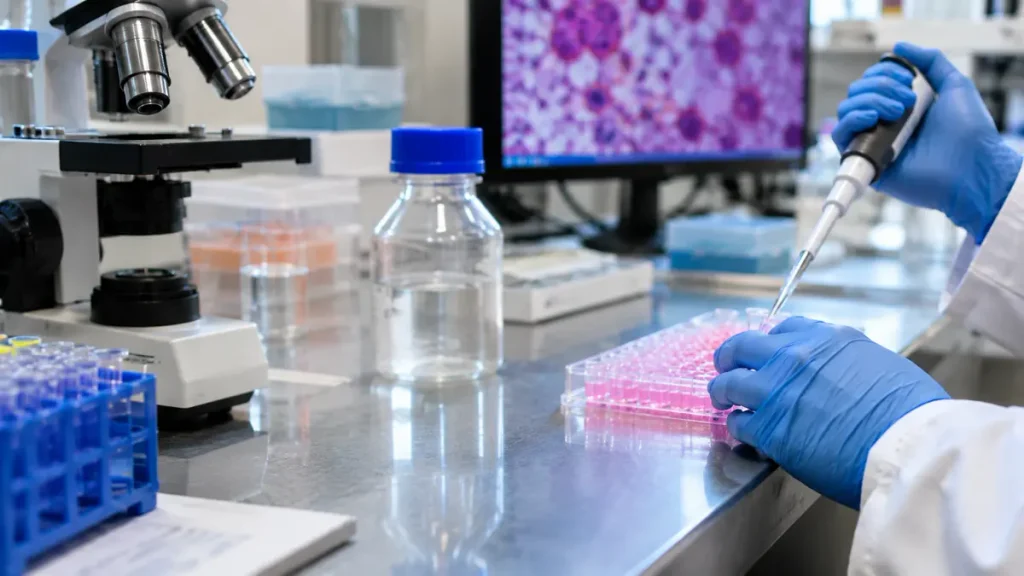
How Therapeutic Cancer mRNA Vaccines Work
Unlike preventive vaccines for infectious diseases such as measles or influenza—or preventive vaccines against cancer-causing viruses like HPV—therapeutic cancer vaccines are given to patients who have already been diagnosed with cancer.
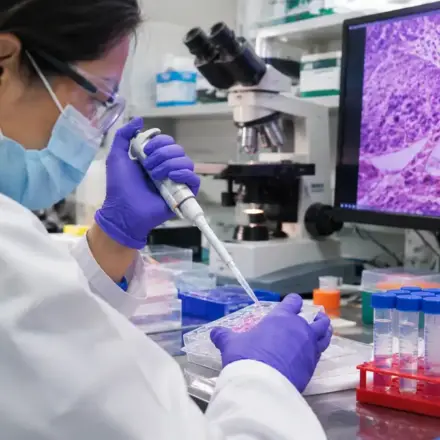
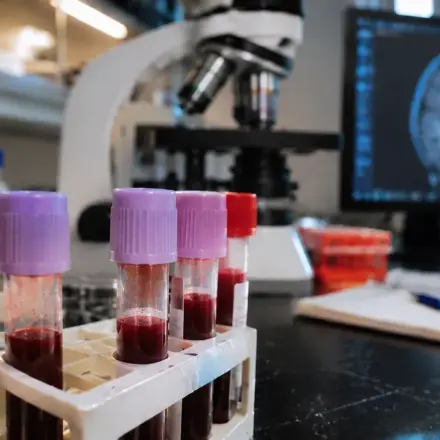
Most mRNA cancer vaccines in late-stage testing in 2026 are individualized neoantigen therapies. After a surgeon removes a patient’s tumor, laboratory specialists sequence the DNA and RNA of both the tumor tissue and the patient’s healthy cells. Comparing the two reveals unique protein mutations—called neoantigens—found on the cancer cells but absent from normal tissue.
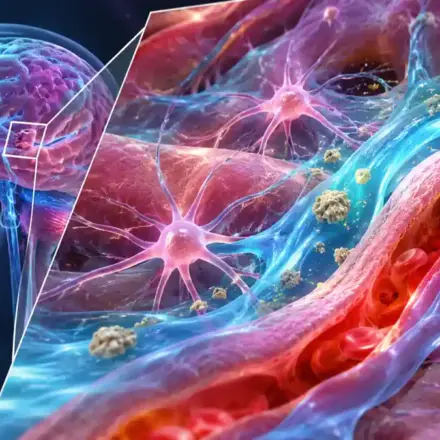
Using that molecular profile, manufacturers encode genetic instructions for roughly 20 to 35 patient-specific neoantigens into a custom mRNA formulation. Once injected, the mRNA instructs the body’s cells to produce harmless fragments of those tumor proteins, training T cells to recognize and attack any microscopic cancer cells left behind after surgery. Because tumors often deploy chemical shields to evade immune cells, researchers typically pair mRNA vaccines with immune checkpoint inhibitors such as pembrolizumab or atezolizumab.
What the 2026 Clinical Trials Actually Show
The headline breakthrough of late 2026 comes from the randomized, double-blind Phase 3 INTerpath-001 study (ClinicalTrials.gov ID NCT05933577), presented at the European Society for Medical Oncology (ESMO) 2026 Congress in October and published in The New England Journal of Medicine in November 2026.
The trial enrolled 1,137 human participants with completely resected stage IIB to IV cutaneous melanoma (median age 61 years; roughly 60% male). Patients were randomly assigned in a 2-to-1 ratio to receive either standard adjuvant pembrolizumab plus personalized intismeran autogene (757 patients) or pembrolizumab plus placebo (380 patients).
At a median follow-up of 24.6 months, the trial reported the following outcomes:
- Recurrence-free survival: 82.2% of patients in the vaccine-plus-pembrolizumab group remained free of melanoma recurrence at two years, compared with 70.0% in the pembrolizumab-alone group (hazard ratio 0.58; 95% CI, 0.45–0.75; P < .001), representing a 42% relative reduction in the risk of recurrence or death.
- Distant metastasis-free survival: 88.5% of patients receiving the combination remained free of distant spread at two years versus 80.2% with pembrolizumab alone (hazard ratio 0.62; 95% CI, 0.45–0.85; P = .002).
- Overall survival: Overall survival data remained immature at the 24.6-month analysis and had not yet reached statistical significance (hazard ratio 0.77; 95% CI, 0.45–1.31; P = .33), meaning longer follow-up is required to confirm whether lower recurrence translates into longer overall life expectancy.
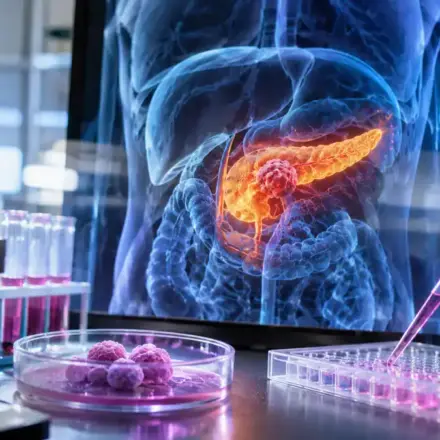
Beyond melanoma, researchers are testing personalized mRNA vaccines in several other solid tumors, including pancreatic ductal adenocarcinoma (PDAC). As summarized in an NCI Cancer Currents update on neoantigen vaccines, pancreatic tumors carry fewer genetic mutations than melanoma and have historically resisted standard immunotherapy. Following encouraging Phase 1 immune-response findings for the mRNA vaccine autogene cevumeran (BNT122), investigators launched the ongoing Phase 2 IMcode003 trial (NCT05968326) comparing autogene cevumeran plus atezolizumab and mFOLFIRINOX chemotherapy against chemotherapy alone after pancreatic cancer surgery.
| Candidate Vaccine | Cancer Type Studied | Trial Stage & Design | Key 2026 Status |
| Intismeran autogene (mRNA-4157 / V940) | Resected stage IIB–IV melanoma | Phase 3 randomized trial (INTerpath-001, 1,137 patients) | Met primary recurrence-free survival endpoint; regulatory talks underway |
| Autogene cevumeran (BNT122) | Resected pancreatic ductal adenocarcinoma | Phase 2 randomized trial (IMcode003) | Enrolling patients to test vaccine plus immunotherapy and chemotherapy |
| Intismeran autogene combinations | Non-small cell lung, renal cell, and bladder cancers | Phase 2 and Phase 3 trials | Actively evaluating post-surgery recurrence prevention across tumor types |
What the $200 Million NCI Cancer Vaccine Initiative Adds
In November 2026, NCI Director Anthony Letai, MD, PhD, and the Foundation for the National Institutes of Health (FNIH) outlined a planned $200 million public-private partnership to accelerate therapeutic cancer vaccine trials.
While pharmaceutical companies have concentrated heavily on high-mutation adult cancers such as melanoma and lung cancer, the NCI-FNIH initiative aims to fund trials in cancers with fewer commercial incentives—including a pediatric cancer trial—while building shared clinical data resources. The program is slated to evaluate both individualized mRNA platforms and shared-antigen DNA vaccines, which target common tumor markers across multiple patients and may be faster to manufacture than bespoke vaccines.
Study Limits, Side Effects, and Manufacturing Hurdles
Even with positive Phase 3 data in melanoma, oncologists point out several practical limitations that explain why mRNA cancer vaccines are not yet routine care:
- Not every patient has enough tumor tissue: Manufacturing an individualized vaccine requires sequencing an adequate surgical sample; in
INTerpath-001, roughly 17% of screened patients could not have a custom vaccine produced due to insufficient tumor tissue. - Production turnaround takes weeks: Sequencing a tumor and synthesizing a bespoke mRNA batch takes several weeks, which is why patients begin standard checkpoint inhibitor therapy right after surgery while their vaccine is being built.
- Limited to post-surgery settings so far: Current late-stage evidence applies to patients whose tumors were completely removed surgically, rather than patients with widespread, untreated metastatic disease where large tumor burdens can suppress immune responses.
- Side effects still occur: In
INTerpath-001, the most common side effects when adding intismeran autogene to pembrolizumab were temporary fever (52.2%), injection-site pain (51.0%), and fatigue (38.5%). Serious grade 3 or higher adverse events occurred at similar rates in both arms (23.6% with the combination versus 20.3% with pembrolizumab alone).
Approval Timeline and How Patients Can Access Trials Today
No mRNA cancer vaccine has received full FDA approval as of November 2026. Following the INTerpath-001 readout, the developers of intismeran autogene stated they are engaging with the FDA and international regulators regarding potential marketing applications for high-risk resected melanoma. Under standard FDA review pathways outlined in the FDA Clinical Considerations for Therapeutic Cancer Vaccines guidance, regulators evaluate manufacturing consistency, safety follow-up, and durability of clinical benefit before granting commercial approval.
If you or a family member has recently been diagnosed with cancer and wants to explore vaccine trials, timing matters because tumor tissue often must be collected during surgery. Consider bringing these questions to your surgical or medical oncologist before surgery:
- Will enough tissue be preserved during my biopsy or surgery for genomic sequencing? Asking ahead of time helps ensure tissue is handled properly if you qualify for an individualized trial.
- Are there active adjuvant cancer vaccine trials for my specific tumor stage and mutation profile? Your oncology team can check academic medical centers participating in Phase 2 or Phase 3 studies.
- What is the standard post-surgery treatment if I do not enroll in a vaccine trial? Understanding established options such as checkpoint inhibitors, targeted drugs, or chemotherapy provides a clear baseline for comparing trial risks and benefits.
Patients and caregivers can search active U.S. studies directly using the NCI clinical trials search database or discuss referrals to an NCI-designated cancer center.
Frequently Asked Questions
Are any mRNA cancer vaccines approved by the FDA yet?
No. As of November 2026, all mRNA cancer vaccines—including intismeran autogene for melanoma and autogene cevumeran for pancreatic cancer—remain investigational and are available only through clinical trials. Regulatory submissions for resected melanoma are expected to follow the Phase 3 INTerpath-001 results.
Do mRNA cancer vaccines prevent healthy people from getting cancer?
No. Current mRNA cancer vaccines are therapeutic treatments designed for people already diagnosed with cancer, usually after surgical tumor removal, to help stop the disease from returning. For preventive cancer vaccination, the Centers for Disease Control and Prevention (CDC) recommends the HPV vaccine and hepatitis B vaccine, which protect against viruses that cause cervical, liver, and throat cancers.
Why are personalized mRNA cancer vaccines given with other drugs?
Cancer cells frequently use surface proteins to turn off attacking immune cells. Pairing an mRNA vaccine with an immune checkpoint inhibitor such as pembrolizumab releases those immune brakes while the vaccine directs T cells toward the tumor’s specific neoantigens.
How long does it take to make a personalized cancer mRNA vaccine?
Sequencing a patient’s resected tumor, selecting up to 34 target neoantigens, and manufacturing a custom mRNA batch generally takes several weeks. During that manufacturing window, trial participants typically receive standard post-surgery immunotherapy or chemotherapy so treatment is not delayed.
Who is eligible for current cancer mRNA vaccine clinical trials?
Most Phase 2 and Phase 3 mRNA cancer vaccine trials enroll adults with specific surgically removable tumors—such as stage IIB–IV melanoma, pancreatic cancer, or non-small cell lung cancer—who have adequate tumor tissue available for sequencing and good overall organ function. Eligibility criteria vary by protocol and can be reviewed on ClinicalTrials.gov with your oncologist.