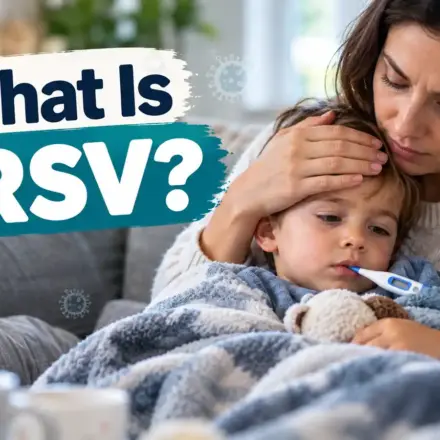
What Is RSV? Symptoms, Causes, and When to Seek Care
Respiratory syncytial virus—commonly known as RSV—is a frequent topic during the fall and winter months, often discussed alongside influenza and the common cold. While millions of people experience RSV as a routine upper respiratory infection, it can also lead to more serious lower respiratory illness in specific vulnerable populations, such as infants, young children, and older adults.
Understanding what RSV is, how it manifests, and when symptoms require professional medical evaluation can help you navigate respiratory illness season with clarity and confidence.

Table of Contents
What Is RSV and How Does It Spread?
RSV is a common contagious virus that infects the respiratory tract. For the vast majority of people, an RSV infection causes mild, cold-like symptoms that resolve on their own within a week or two.
The virus spreads primarily through respiratory droplets when an infected person coughs or sneezes. It can also be transmitted by touching surfaces contaminated with the virus—such as doorknobs or countertops—and then touching your face, nose, or eyes. Individuals with RSV are typically contagious for several days, though infants and people with weakened immune systems can shed the virus for a longer period.
Symptoms Across Different Age Groups
The clinical presentation of RSV often depends heavily on the age and immune status of the individual.
In Older Children and Healthy Adults
In healthy adults and older children, RSV typically mimics a standard upper respiratory infection. Symptoms often include:
- Runny or stuffy nose
- Sore throat
- Cough
- Mild headache or fatigue
- Low-grade fever
Because these symptoms overlap heavily with other circulating respiratory viruses, clinical testing is rarely necessary for healthy adults unless required for specific medical management or public health surveillance.
In Infants and Very Young Children
Infants under one year of age are particularly susceptible to lower respiratory tract involvement, such as bronchiolitis (inflammation of the small airways in the lungs) or pneumonia. In babies, symptoms may progress beyond a simple cold to include:
- Irritability or unusual lethargy
- Decreased feeding or fluid intake
- Tachypnea (rapid breathing)
- Apnea (pauses in breathing, particularly in young infants)
In Older Adults and High-Risk Individuals
Older adults, particularly those with chronic heart or lung disease or compromised immune systems, are at elevated risk for severe disease from RSV. For this population, RSV can exacerbate underlying conditions like chronic obstructive pulmonary disease (COPD) or congestive heart failure, occasionally leading to hospitalization.
Supportive Care and Management
Because RSV is viral, antibiotics are ineffective and are not prescribed unless a secondary bacterial infection develops. Treatment is primarily supportive, focusing on relieving symptoms and maintaining hydration.
- Hydration: Encouraging frequent fluid intake is critical, especially for infants and children, to prevent dehydration.
- Fever and Pain Management: Over-the-counter fever reducers and pain relievers, such as acetaminophen or ibuprofen, can help manage discomfort. Always consult a pediatrician regarding appropriate dosing for infants and children.
- Airway Comfort: Using a cool-mist humidifier or saline nasal drops with gentle suctioning can help ease nasal congestion in babies.
Prevention and Immunization Options
Public health strategies for preventing severe RSV disease have expanded significantly. Guidance from the Centers for Disease Control and Prevention (CDC) includes:
- Immunizations for Older Adults: Adults aged 75 and older, as well as adults aged 60 to 74 with certain risk factors, are recommended to receive an RSV vaccine following a shared clinical decision-making discussion with a healthcare provider.
- Protection for Infants: Maternal RSV vaccination during pregnancy or monoclonal antibody immunizations administered to infants entering their first RSV season can significantly reduce the risk of severe lower respiratory tract disease.
- Everyday Hygiene: Frequent handwashing, avoiding close contact with sick individuals, and regularly cleaning high-touch surfaces help minimize viral transmission.
When to Seek Medical Care
While most cases of RSV resolve safely at home, certain warning signs require prompt medical evaluation or emergency care.
Seek routine medical advice if:
- An infant or young child shows signs of dehydration, such as significantly fewer wet diapers or dry mucous membranes.
- Symptoms persist for more than a week without improvement or begin to worsen significantly after initial recovery.
Seek emergency medical care immediately if you or someone in your care experiences:
- Severe difficulty breathing, marked by rapid breathing, wheezing, or chest retractions (skin sucking in around the ribs or neck with each breath)
- Bluish color around the lips, mouth, or nail beds (cyanosis)
- Extreme lethargy, unresponsiveness, or inability to wake up
- Pauses in breathing (apnea)
Sources
- Centers for Disease Control and Prevention (CDC). “RSV (Respiratory Syncytial Virus).” Clinical overviews, transmission guidance, and prevention recommendations.
- National Library of Medicine / MedlinePlus. “Respiratory Syncytial Virus (RSV) Infections.” Overview of symptoms, complications, and supportive care.
- American Academy of Pediatrics (AAP). Guidance on managing bronchiolitis and respiratory infections in infants and young children.