
Daraxonrasib for Pancreatic Cancer: What 2026 Studies Show
New clinical trial results presented in November 2026 show that adding the oral targeted drug daraxonrasib (brand name Rasonque) to standard chemotherapy shrank tumors or halted tumor growth in a substantial share of patients with previously untreated metastatic pancreatic cancer. Many readers seeing headlines about a “pancreatic cancer pill” assume the drug is an unproven experimental compound or a standalone cure. In reality, the U.S. Food and Drug Administration (FDA) approved daraxonrasib in August 2026 for previously treated metastatic pancreatic cancer, while the November 2026 research evaluates combining the pill with chemotherapy as an initial, first-line treatment.
Daraxonrasib is an oral RAS(ON) inhibitor approved by the FDA in August 2026 for adults with metastatic pancreatic adenocarcinoma after prior systemic therapy. In November 2026, researchers presented Phase 1/2 data (RMC-GI-102) showing that combining daraxonrasib with gemcitabine and nab-paclitaxel as a first-line treatment produced a 60.7% confirmed response rate and an 8.2% complete response rate among 61 patients. That first-line combination remains investigational and is currently being tested in a larger Phase 3 trial (RASolute 303).

What the November 2026 First-Line Study Found
The news coverage in late November 2026 centers on updated findings from the RMC-GI-102 study (ClinicalTrials.gov ID NCT06445062), an open-label, multicenter Phase 1/2 clinical trial presented at the 2026 EORTC-NCI-AACR Symposium. Investigators evaluated 61 adults with previously untreated metastatic pancreatic ductal adenocarcinoma (PDAC) carrying RAS mutations who received daily oral daraxonrasib (200 mg) alongside standard intravenous chemotherapy (gemcitabine and nab-paclitaxel).
As of the September 28, 2026 data cutoff, the trial reported several notable efficacy measures:
- Confirmed objective response rate: 60.7% of patients (95% CI: 47.3%–72.9%) had measurable tumor shrinkage
- Complete response rate: 8.2% of patients (roughly 1 in 12) had no detectable cancer remaining on imaging
- Disease control rate: 90.2% (95% CI: 79.8%–96.3%) experienced either tumor shrinkage or stable disease
- Median progression-free survival: 12.8 months (95% CI: 10.8–18.4 months) before cancer progressed
- Estimated 12-month overall survival: 76.6% (95% CI: 63.7%–85.4%)
Because RMC-GI-102 was a single-arm Phase 1/2 study without a direct control group, researchers cannot yet confirm how much better the combination performs compared to chemotherapy alone in a head-to-head setting. That question is now being tested in the randomized Phase 3 RASolute 303 trial, which is enrolling roughly 900 patients.
Approved Second-Line Use vs. Investigational First-Line Use
A common point of confusion in news reports is separating what daraxonrasib is already approved to do from what is still being tested in clinical trials. On August 26, 2026, the FDA approved daraxonrasib (Rasonque)as a single-agent oral therapy based on results from the Phase 3 RASolute 302 trial (NCT06625320).
| Clinical Feature | FDA-Approved Use (RASolute 302) | November 2026 Study (RMC-GI-102) |
| Treatment setting | Second-line or later (after at least one prior systemic therapy) | First-line (newly diagnosed metastatic disease) |
| Regimen | Daraxonrasib pill taken alone (monotherapy) | Daraxonrasib pill combined with gemcitabine and nab-paclitaxel |
| Study design | Randomized Phase 3 trial comparing daraxonrasib vs. chemotherapy | Single-arm Phase 1/2 trial (61 patients evaluated) |
| Key survival outcome | Median overall survival of 13.2 months vs. 6.7 months with chemotherapy | Estimated 12-month overall survival of 76.6% (no control arm) |
| Regulatory status | Approved by the FDA on August 26, 2026 | Investigational; being tested in Phase 3 RASolute 303 |
The FDA indication covers adults with metastatic pancreatic adenocarcinoma who have received at least one prior systemic treatment or who are not candidates for multi-agent chemotherapy. Using daraxonrasib as an initial first-line combination with chemotherapy currently remains restricted to clinical trials.
How Daraxonrasib Targets RAS Mutations in Pancreatic Cancer
More than 90% of pancreatic ductal adenocarcinomas carry mutations in RAS genes—most commonly KRAS—that lock cellular growth switches into an active “ON” state. As summarized in a peer-reviewed pharmacological review in PubMed Central, earlier targeted drugs only blocked a single rare mutation (KRAS G12C) while the protein was in its inactive “OFF” state.
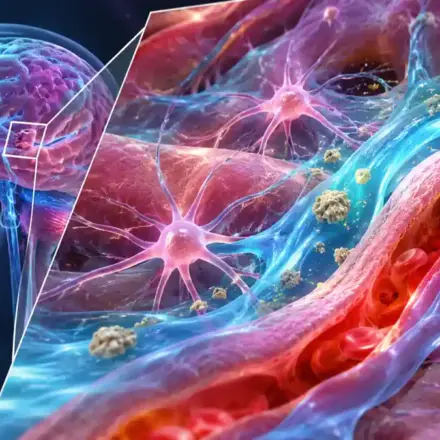
Daraxonrasib works differently as a multi-selective RAS(ON) inhibitor. Inside cancer cells, the drug binds to an abundant helper protein called cyclophilin A to form a three-part complex that physically blocks active KRAS, HRAS, and NRAS proteins from sending growth signals. This broader mechanism allows it to target the multiple KRAS variants—such as G12D, G12V, and G12R—that drive most pancreatic tumors.
Side Effects, Safety Limits, and Who the Findings Do Not Apply To
Like all systemic cancer therapies, daraxonrasib carries side effects that require close oncology monitoring. According to the FDA approval announcement for daraxonrasib, the most common adverse reactions include:
- Skin rash and split fingertips
- Diarrhea, nausea, vomiting, and abdominal pain
- Mouth sores and inflammation (stomatitis or mucositis)
- Fatigue, swelling (edema), and decreased appetite
- Bleeding events (hemorrhage)
Patients and families should also understand who these findings do not apply to:
- Early-stage, surgically removable tumors: Both the FDA approval and the November 2026 combination study focused on metastatic pancreatic cancer rather than localized tumors eligible for upfront surgery.
- Non-adenocarcinoma pancreatic tumors: The trials studied pancreatic ductal adenocarcinoma (PDAC), not pancreatic neuroendocrine tumors (PNETs), which follow distinct biological pathways and treatment guidelines.
- Patients without RAS-driven tumors: While roughly 9 in 10 PDAC cases harbor a RAS mutation, patients whose tumors lack RAS alterations may not respond in the same manner.
Understanding tumor genetics is equally critical in other gastrointestinal malignancies; for instance, research on why colon cancer can be harder to treat in younger adults similarly highlights how underlying somatic mutations shape therapy response.
Questions to Ask Your Oncology Team
If you or a loved one has been diagnosed with pancreatic cancer, discussing molecular testing and clinical trial eligibility early can help clarify available options. For broader context on how early symptoms often delay diagnosis across digestive cancers, review digestive red flags and diagnostic delays.
Consider bringing these specific questions to your medical oncologist:
- Has comprehensive biomarker and genomic testing been performed on my tumor biopsy? Asking whether your tumor carries a KRAS mutation—and which specific subtype—helps determine eligibility for RAS-targeted therapies and trials.
- Am I eligible for first-line clinical trials combining daraxonrasib with chemotherapy? If you have newly diagnosed metastatic disease, your doctor can check whether sites near you are enrolling for the Phase 3
RASolute 303study. - If my current chemotherapy stops working, would FDA-approved daraxonrasib (Rasonque) be an appropriate next option? Reviewing second-line options ahead of time prevents treatment delays if scans show progression.
- How do you proactively manage skin rash and mouth sores during RAS-inhibitor therapy? Early topical skin care and oral rinses can often keep side effects mild so treatment does not need to be interrupted.
Seek urgent medical care right away if anyone undergoing pancreatic cancer treatment develops a fever of 100.4°F or higher, uncontrolled diarrhea, black or bloody stools, sudden shortness of breath, or yellowing of the skin or eyes.
Frequently Asked Questions
Is daraxonrasib already approved by the FDA for pancreatic cancer?
Yes. On August 26, 2026, the U.S. Food and Drug Administration approved daraxonrasib (Rasonque) for adults with metastatic pancreatic adenocarcinoma who have received at least one prior systemic therapy or who are not candidates for multi-agent chemotherapy. Using the drug alongside chemotherapy as a first-line treatment remains under clinical trial investigation.
Does daraxonrasib cure pancreatic cancer?
No. While 8.2% of patients in the November 2026 Phase 1/2 combination study achieved a complete radiographic response—meaning tumors were temporarily undetectable on scans—pancreatic cancer cells can eventually develop resistance. Researchers describe daraxonrasib as a targeted therapy that can extend survival and control tumor growth rather than a permanent cure.
How is daraxonrasib taken?
Daraxonrasib is an oral tablet taken by mouth once daily. In the approved second-line setting, it is taken as a standalone daily pill, whereas in the November 2026 RMC-GI-102 study, patients took 200 mg once daily alongside intravenous gemcitabine and nab-paclitaxel infusions.
How can patients find clinical trials testing daraxonrasib with chemotherapy?
Patients can search active locations for the Phase 3 RASolute 303 trial and related studies through the National Cancer Institute clinical trials search portal or ask their oncology team at an NCI-designated cancer center to review eligibility criteria.
What symptoms typically prompt evaluation for pancreatic cancer?
Early pancreatic cancer often causes few noticeable signs, though persistent upper abdominal or mid-back pain, unexplained weight loss, yellowing of the skin or eyes (jaundice), pale floating stools, and new-onset diabetes in adults over 50 commonly prompt diagnostic imaging. Because these symptoms overlap with non-cancerous digestive conditions, a doctor typically orders blood tests and a specialized abdominal CT scan to evaluate them.









[…] autogene cevumeran plus atezolizumab and mFOLFIRINOX chemotherapy against chemotherapy alone after pancreatic cancer […]