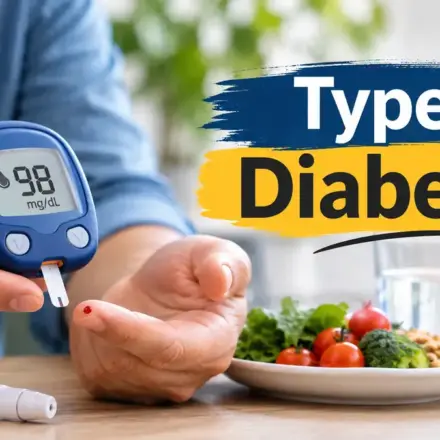
Diabetes and Holiday Eating: 5 Practical Strategies for Blood Sugar Balance
Holiday gatherings present a predictable challenge when managing diabetes: meals rarely occur on schedule, carbohydrate-dense side dishes dominate the buffet, and traditional recipes often conceal unexpected sugars and fats. Many people believe that staying in their target glucose range requires complete deprivation from celebratory foods or skipping earlier meals to “save room” for an evening feast. Both approaches frequently backfire, leading to rebound hypoglycemia, excessive hunger, and sharp post-meal blood sugar spikes.
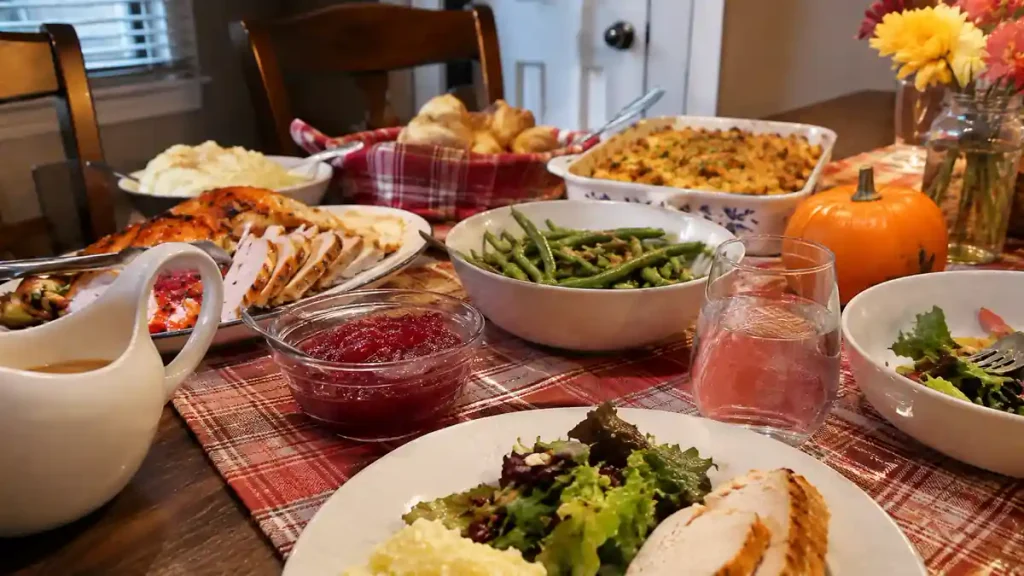
Navigating holiday meals with type 1, type 2, or gestational diabetes does not require eating separately or eliminating family traditions. By keeping meal timing consistent, using the Diabetes Plate Method, pacing alcohol intake, prioritizing post-meal movement, and checking glucose proactively, you can participate fully while maintaining glycemic stability.
1. Keep Meal Timing Predictable and Avoid “Saving” Calories
A common misconception is that skipping breakfast or lunch allows a person with diabetes to bank carbohydrate allowances for a lavish holiday dinner. Fasting for extended hours disrupts metabolic regulation. For individuals taking insulin or insulin secretagogues (such as sulfonylureas), going without balanced nourishment significantly raises the risk of severe hypoglycemia. When dinner finally arrives, intense biological hunger makes mindful portion selection far more difficult, resulting in rapid overconsumption and prolonged postprandial hyperglycemia.
The American Diabetes Association
emphasizes maintaining consistent eating intervals. If a family gathering shifts the main meal several hours past your customary lunch or dinner window, schedule a small bridge snack containing lean protein and complex carbohydrates—such as a handful of almonds with an apple, or raw vegetables with hummus—to keep blood glucose steady.
2. Structure Your Plate to Moderate Carbohydrate Absorption
Buffet spreads often feature carbohydrates combined with high levels of saturated fat, such as casseroles, creamed potatoes, and pastries. While fat slows stomach emptying and can delay an immediate spike, it frequently causes an extended glucose rise several hours later.
Rather than attempting to calculate complex recipes on the fly, apply the visual framework outlined by the Diabetes Food Hub:
- Fill half your plate with non-starchy vegetables: Roasted Brussels sprouts, steamed green beans, asparagus, broccoli, or tossed green salads provide dietary fiber that blunts the glycemic impact of the meal.
- Reserve one-quarter for lean protein: Roasted skinless turkey, chicken, baked fish, or tofu helps promote satiety and stabilizes digestion.
- Dedicate the remaining quarter to starchy sides or festive carbs: Mashed potatoes, stuffing, yams, or dinner rolls belong in this section.
Prioritizing your favorite seasonal dishes—the items you only eat during this specific season—makes it easier to pass on everyday staples you can enjoy any week of the year.
3. Understand the Hidden Impact of Holiday Alcohol
Alcohol presents unique physiological variables for individuals with diabetes. While sweet mixers, festive punches, and heavy beers can prompt immediate glucose spikes due to simple sugars, ethanol itself works differently.
The liver prioritizes metabolizing alcohol over its routine metabolic tasks. While processing ethanol, hepatic gluconeogenesis and glycogenolysis are temporarily suppressed, halting the liver’s baseline release of glucose into the bloodstream. If you take insulin or medications that stimulate insulin production, drinking alcohol—especially on an empty stomach—substantially increases the likelihood of delayed hypoglycemia up to 24 hours later.
Guidance documented on MedlinePlus advises that if you choose to consume alcohol, always pair it with a carbohydrate-containing meal or snack, choose low-sugar mixers like sparkling water, and avoid drinking immediately before sleep without checking your blood glucose.
4. Utilize Brief Post-Meal Movement
Staying stationary after a dense feast prolongs the time glucose remains elevated in the bloodstream. Skeletal muscle contraction stimulates non-insulin-dependent glucose uptake via GLUT4 transporter translocation, helping muscles pull glucose directly from the bloodstream without placing additional demand on the pancreas.
Clinical research published in the National Library of Medicine demonstrates that walking for just 15 to 20 minutes after a meal produces a significantly greater reduction in postprandial glucose excursions than exercising prior to eating or remaining sedentary. A gentle stroll around the neighborhood with family or friends assists digestion, moderates blood sugar rises, and avoids the lethargy often experienced after holiday banquets.
5. Increase Monitoring and Prepare for Disruptions
Holiday routines disrupt standard sleep schedules, increase travel stress, and alter physical activity—all of which raise counter-regulatory hormones like cortisol, causing unexpected glucose variability.
Frequent monitoring with a continuous glucose monitor (CGM) or blood glucose meter provides actionable visibility. Rather than viewing elevated readings as failures, treat them as neutral data points that inform a corrective walk, extra hydration, or planned medication adjustments as prescribed by your doctor.
Holiday Food Navigational Guide
Understanding how typical celebratory items behave helps you build a satisfying plate without unexpected glycemic swings:
| Holiday Item | Primary Nutritional Characteristics | Blood Sugar Impact | Suggested Approach |
| Roasted Turkey Breast | Lean protein, zero carbohydrates | Minimal direct glucose impact | Use as the anchor for one-quarter of your plate. |
| Traditional Stuffing | Refined bread, butter, broth, herbs | Moderate-to-high glycemic response | Keep to a modest serving; pair directly with fiber-rich greens. |
| Sweet Potato Casserole | Starch, brown sugar, marshmallows | High and rapid glycemic spike | Treat as a dessert portion or prepare without added marshmallows. |
| Green Bean Casserole | Non-starchy vegetable, cream soup, fried onions | Moderate glucose impact; higher in sodium and fat | Balance with fresh salads or plain steamed vegetables. |
| Dry Wine or Light Spirits with Seltzer | Low sugar, ethanol content | Potential for delayed hypoglycemia if unbuffered | Never consume on an empty stomach; cap at moderate limits. |
| Pumpkin Pie | Starch, dairy, egg, refined sugar | Moderate-to-high glycemic response | Enjoy a modest slice after a balanced meal rather than on an empty stomach. |
What Most Guides Leave Out: Managing Medication and Timing Shifts
Many articles suggest eating identical portion sizes at parties as you do at home, but real-world social gatherings frequently run behind schedule.
If dinner is delayed by more than an hour:
- For those on rapid-acting mealtime insulin: Do not take your bolus dose until the meal is physically on the table or until you have confirmed the carbohydrate content you will eat. Injecting early when serving times are uncertain carries high risk for severe hypoglycemia.
- For those on sulfonylureas (e.g., glipizide, glimepiride): Keep fast-acting carbohydrates (such as glucose tablets) accessible in a pocket or purse in case dinner runs late.
- Managing “food pushers”: Family gatherings often involve well-meaning hosts urging second helpings. A polite, direct phrase such as, “Everything was wonderful, but I’m completely satisfied right now,” prevents unnecessary pressure without requiring you to share clinical details.
Checklist: Before Leaving for a Gathering
Review this practical checklist before heading out to a seasonal event:
- Check baseline blood glucose before departing.
- Pack fast-acting glucose tablets or gel in case of sudden lows.
- Carry your standard testing meter or verify your CGM sensor has sufficient wear time remaining.
- Bring a diabetes-friendly side dish—such as a large vegetable platter with Greek yogurt dip—to guarantee a reliable non-starchy option.
- Confirm your hydration status by drinking a glass of water before arrival.
Frequently Asked Questions
Can I eat dessert during the holidays if I have diabetes?
Yes. Diabetes care guidelines emphasize that no traditional holiday dish must be permanently excluded. If you plan to enjoy a slice of pie or holiday cake, account for the carbohydrate load by reducing other starchy items on your main plate, such as dinner rolls or potatoes, and enjoy your dessert slowly following a protein- and fiber-rich meal.
Why does alcohol cause low blood sugar hours after a party?
When alcohol enters the system, the liver must divert its enzymatic capacity to process ethanol rather than releasing stored glycogen into the bloodstream. This inhibition of glucose release can cause delayed hypoglycemia, particularly overnight or the following morning, especially for people using insulin or secretagogue medications.
What should I do if my blood sugar spikes after a holiday meal?
Avoid panicking or administering unverified, aggressive insulin doses without a healthcare provider’s protocol, as overcorrecting can trigger rapid hypoglycemia. Drink plenty of water to help your kidneys clear excess glucose, take a relaxed 15- to 20-minute walk, and re-test your glucose according to your care team’s guidelines.
Is it safe to skip lunch if Thanksgiving or Christmas dinner is served mid-afternoon?
No. Skipping meals disrupts insulin sensitivity, increases hypoglycemia risk for medication users, and frequently leads to overeating high-carbohydrate dishes later. Eat a light, balanced breakfast and mid-day snack rich in protein and fiber to keep your metabolic rate and appetite regulated.
Information last checked: November 2026.