Energy Drinks and Cardiac Risks: What Young Adults Should Know
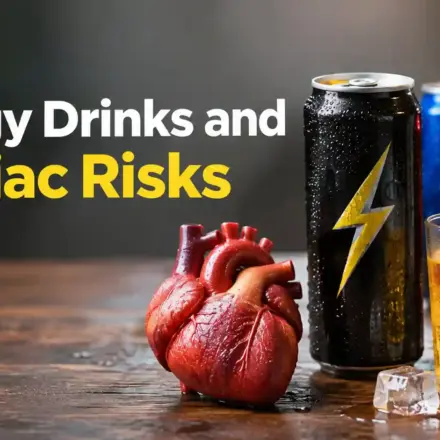
For most healthy adults, an occasional cup of coffee poses little cardiac danger, but energy drinks behave differently in the cardiovascular system. A growing body of clinical research, including recent surveillance data from the U.S. Food and Drug Administration (FDA) adverse event reporting system, links high-caffeine energy drinks and stimulant supplements to acute cardiovascular complications in people aged 18 to 34. The primary issue is rarely caffeine alone; it is the sheer speed of delivery, high concentrated volumes, and compounding stimulant blends that alter blood pressure and heart rhythms.
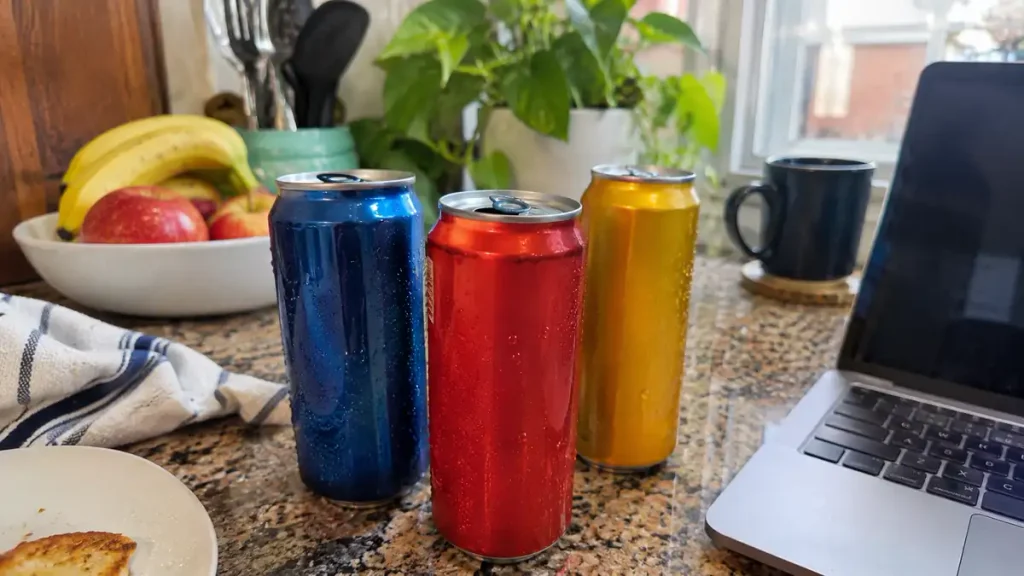
Energy drinks can cause sharper spikes in blood pressure and longer periods of electrical cardiac strain than standard brewed coffee. Recent federal safety data shows that young adults account for nearly half of stimulant-linked cardiovascular emergency reports, most commonly involving palpitations, elevated blood pressure, and arrhythmias. If you consume these beverages, tracking total stimulant intake, avoiding alcohol co-ingestion, and recognizing red-flag symptoms are essential for reducing risk.
What the Research Actually Shows
In November 2026, researchers presenting at the American Heart Association (AHA) Scientific Sessions evaluated cardiovascular events documented in the FDA Center for Food Safety and Applied Nutrition Adverse Event Reporting System (CAERS). The analysis evaluated voluntary reports submitted between 2004 and 2024 to examine associations between dietary supplements, energy drinks, and adverse cardiac outcomes.
The findings showed that reports involving caffeine- and stimulant-containing drinks and supplements were 11 times more likely to mention cardiac arrest and 4.5 times more likely to mention myocardial infarction (heart attack) than reports for non-stimulant dietary products. Adults aged 18 to 34 accounted for approximately 45% of all cardiovascular reports linked to these stimulant products.
These findings show association, not direct causation. Spontaneous reporting databases rely on voluntary consumer and clinician submissions, meaning they do not capture total consumption rates across the general public, nor can they rule out unmeasured confounders like undetected congenital defects, sleep deprivation, or unrecorded substances. Controlled physiological trials, however, demonstrate that energy drinks exert measurable physical effects on the circulatory system within 60 to 90 minutes of ingestion.
A comprehensive review indexed on PubMed Central evaluated controlled feeding studies and observed consistent hemodynamic shifts after energy drink consumption. Across trials, systolic blood pressure rose by an average of 7 to 10 mmHg and diastolic pressure increased by roughly 7 to 8 mmHg, alongside an acute reduction in endothelial vascular function.
Why Energy Drinks Differ from Regular Coffee
A standard 8-ounce cup of brewed black coffee contains roughly 95 milligrams of caffeine. In contrast, popular 16-ounce energy drinks and 2-ounce energy shots often deliver between 160 and 300 milligrams per serving, frequently consumed rapidly rather than sipped over an hour.
The metabolic impact involves more than just the caffeine dose:
- Unlisted and Amplified Stimulants: Ingredients such as guarana contain guaranine, which is biologically identical to caffeine. Because guarana is listed as a separate herbal component, its caffeine contribution is not always fully reflected in the primary caffeine total on the nutrition label.
- Electrical Repolarization: Clinical trials published in the Journal of the American Heart Association show that energy drinks can prolong the corrected QT (QTc) interval by an average of 6 to 10 milliseconds. The QTc interval measures the time it takes the heart’s ventricles to electrically recharge between beats; clinically significant prolongation can raise the risk of ventricular arrhythmias in susceptible individuals.
- Peripheral Vascular Resistance: Blends containing high levels of taurine, glucuronolactone, B vitamins, and concentrated caffeine cause acute arterial stiffness and peripheral vasoconstriction that outlasts the temporary alertness benefit.
The U.S. Food and Drug Administration cites 400 milligrams of caffeine daily as a threshold not generally associated with negative cardiovascular effects in healthy adults. However, consuming that threshold within a few minutes via a concentrated energy formulation creates a hemodynamic surge distinct from steady coffee consumption.
| Product Type | Typical Serving Size | Average Caffeine Content | Secondary Stimulants Present? |
| Drip Brewed Coffee | 8 fl oz | 80–100 mg | None |
| Espresso | 1 fl oz | 60–65 mg | None |
| Standard Energy Drink | 16 fl oz | 160–250 mg | Guarana, Taurine, Ginseng, Inositol |
| Concentrated Energy Shot | 2 fl oz | 200–300 mg | Concentrated Amino/Stimulant Blends |
| Pre-Workout Powder | 1 scoop in water | 200–350+ mg | Synephrine, Yohimbine, Beta-Alanine |
Common Compounding Mistakes
Adverse cardiac events in young adults rarely occur in a biological vacuum. Clinical emergency case series regularly identify several common compounding behaviors:
- Pre-Workout Stacking: Consuming an energy drink or high-stimulant pre-workout powder immediately before vigorous resistance training or high-intensity interval training (HIIT). Intense physical exertion naturally spikes catecholamines (adrenaline and noradrenaline); layering high-dose stimulants on top multiplies myocardial oxygen demand while contracting coronary vessels.
- Mixing with Alcohol: The Centers for Disease Control and Prevention warns that mixing caffeine with alcohol masks subjective intoxication symptoms. Caffeine suppresses the sedating effects of alcohol, leading individuals to consume larger amounts of both substances while placing sustained stress on vascular tone and cardiac rhythm.
- Severe Dehydration and Sleep Deprivation: Students and shift workers often rely on energy drinks to compensate for chronic sleep loss. Lack of sleep elevates baseline sympathetic nervous activity, while high caffeine intake produces a mild diuretic effect, promoting electrolyte shifts (such as potassium and magnesium depletion) that lower the threshold for palpitations.
Who Should Avoid or Strictly Limit Energy Drinks
While a healthy cardiovascular system can usually buffer transient spikes in blood pressure, certain groups face elevated risks and should consult a physician before using stimulant beverages:
- Individuals with Undiagnosed Electrical Channelopathies: Conditions like Long QT Syndrome, Brugada Syndrome, or Wolff-Parkinson-White Syndrome can remain silent until unmasked by high sympathetic stimulation or QTc-prolonging agents.
- Anyone with Structural Heart Anomalies: This includes hypertrophic cardiomyopathy or prior myocarditis.
- Individuals with Prehypertension or Hypertension: The sustained 7 to 10 mmHg elevation in blood pressure places immediate strain on ventricular walls.
- People Taking Prescription Stimulants: Medications for ADHD (such as methylphenidate or amphetamine salts), certain decongestants, or specific asthma bronchodilators already stimulate adrenergic receptors. Combining them with energy drinks can trigger severe tachycardia.
- Pregnant Individuals: The American College of Obstetricians and Gynecologists recommends limiting caffeine to less than 200 milligrams daily from all sources due to altered caffeine clearance rates during pregnancy.
When to Seek Emergency Care
Heart palpitations—the sensation of fluttering, racing, or skipped beats—are common caffeine side effects and often resolve as the compound metabolizes. However, symptoms can overlap with serious medical emergencies.
Seek immediate emergency medical care (dial 911 in the U.S.) if an elevated heart rate is accompanied by:
- Crushing chest pain, pressure, tightness, or pain radiating to the left arm, jaw, neck, or back
- Unexplained shortness of breath or inability to catch your breath at rest
- Syncope (fainting), sudden lightheadedness, or loss of balance
- A sustained heart rate exceeding 120–140 beats per minute at rest that does not slow down after sitting calmly in a cool room
Practical Harm-Reduction Checklist
If you choose to use energy drinks, use this checklist to minimize stress on your cardiovascular system:
- Cap Daily Intake: Keep total caffeine consumption below 400 milligrams in 24 hours, accounting for coffee, soda, tea, and medications alongside energy cans.
- Space Your Servings: Do not chug energy drinks in short windows; consume them over 30 to 60 minutes to reduce acute peak blood plasma concentrations.
- Maintain Hydration: Drink at least 16 ounces of plain water for every energy drink consumed, particularly in warm environments or during physical work.
- Check the Label for Additives: Scan the supplement facts panel for bitter orange (synephrine), yohimbe, or additional herbal extracts that have synergistic stimulant properties.
- Allow a Recovery Window: Avoid consuming high-stimulant products within six hours of sleep to permit baseline blood pressure and resting heart rate to normalize overnight.
Frequently Asked Questions
Can an energy drink cause a heart attack in someone with a healthy heart?
In a person with an entirely normal cardiovascular system, a single standard energy drink is unlikely to cause a heart attack, though it will temporarily raise blood pressure and heart rate. However, severe complications can occur if high doses are consumed rapidly, stacked with other stimulants, or taken by someone with an underlying, undetected heart condition.
How long do the cardiovascular effects of an energy drink last?
Caffeine has an average half-life of 3 to 7 hours in healthy adults, but vascular changes such as increased blood pressure and arterial stiffness can persist for up to 4 to 6 hours after consumption. Individuals who metabolize caffeine slowly due to variants in the CYP1A2 liver enzyme may experience elevated cardiovascular effects for even longer.
Is natural caffeine in energy drinks safer for your heart than synthetic caffeine?
No. Chemically, naturally derived caffeine (such as from green tea, yerba mate, or guarana) and synthetic caffeine anhydrous are identical molecules and interact with cardiac adenosine receptors the same way. Natural formulations can also pose additional risks if extracts like guarana contribute unquantified amounts of additional caffeine.
Why do energy drinks cause heart palpitations while coffee usually does not?
Energy drinks are frequently consumed much faster than hot coffee and often feature higher stimulant concentrations per fluid ounce. Additionally, the pairing of caffeine with other bioactive compounds like taurine, B-vitamin megadoses, and added sugars or artificial sweeteners can accelerate absorption and heighten the sympathetic nervous response.
Information last checked: November 2026.